Kirjojen hintavertailu. Mukana 11 244 527 kirjaa ja 12 kauppaa.

Kirjahaku

Etsi kirjoja tekijän nimen, kirjan nimen tai ISBN:n perusteella.

3 kirjaa tekijältä Maria DiBattista

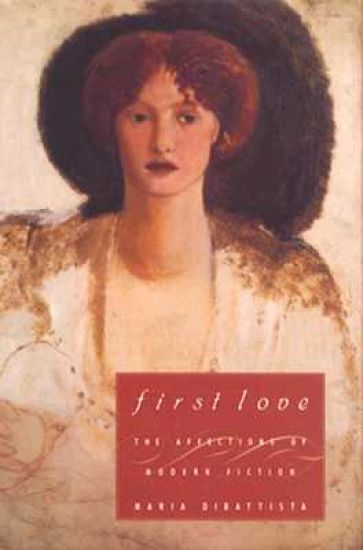
First Love

First Love

Maria DiBattista

University of Chicago Press
1991
sidottu
All of us remember our First Love. In this brilliant and often passionate book, Maria DiBattista shows that the yearning for the freshness of First Love, and the sadness of that yearning, are central to modern literature. DiBattista offers a sweeping and wholly original reinterpretation of modern fiction, allowing us to see the romantic affections that lie behind the seemingly most ironic of modernist texts. DiBattista argues that modernity reinvented First Love as a myth of creative initiative, as its characteristic response to a pervasive sense of historical belatedness. Anxious that its own creations can never be more than diminished forms of mightier originals, modernity idolizes First Love as the beginning that can never be repeated. First Love hence epitomizes the dream of a new self-incarnation. From Turgenev's First Love to the formative works of Virginia Woolf, Gertrude Stein, E. M. Forster, and Vladimir Nabokov, First Love confirms the birth of an artistic vocation. For modern men and women intent on becoming the original authors of their own lives, First Love becomes paradigmatic of those life-altering moments that transform the undifferentiated sequence of days into a fateful narrative. DiBattista focuses on the enunciation of First Love in the fiction of Thomas Hardy, D. H. Lawrence, James Joyce, and Samuel Beckett. In reading their works, DiBattista dramatically revises the accepted view of irony as the dominant tone of modernism. First Love constitutes, she shows, a new apprehension of the world characterized not by the frigid distances of irony but by a belief in the creative individual who may begin the world anew, as if for the first time.
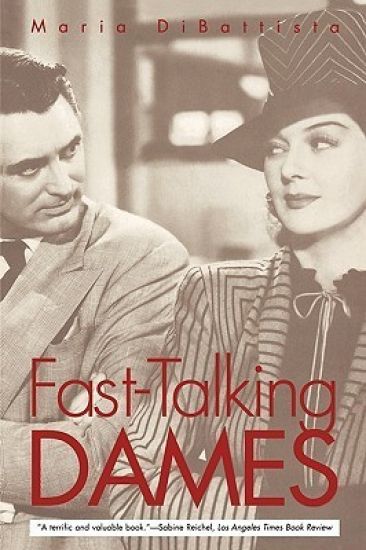
Fast-Talking Dames

Fast-Talking Dames

Maria DiBattista

Yale University Press
2003
pokkari
“There is nothing like a dame,” proclaims the song from South Pacific. Certainly there is nothing like the fast-talking dame of screen comedies in the 1930s and ’40s. In this engaging book, film scholar and movie buff Maria DiBattista celebrates the fast-talking dame as an American original. Coming of age during the Depression, the dame--a woman of lively wit and brash speech—epitomized a new style of self-reliant, articulate womanhood. Dames were quick on the uptake and hardly ever downbeat. They seemed to know what to say and when to say it. In their fast and breezy talk seemed to lie the secret of happiness, but also the key to reality. DiBattista offers vivid portraits of the grandest dames of the era, including Katharine Hepburn, Irene Dunne, Rosalind Russell, Barbara Stanwyck, and others, and discusses the great films that showcased their compelling way with words—and with men. With their snappy repartee and vivid colloquialisms, these fast-talkers were verbal muses at a time when Americans were reinventing both language and the political institutions of democratic culture. As they taught their laconic male counterparts (most notably those appealing but tongue-tied American icons, Gary Cooper, Henry Fonda, and James Stewart) the power and pleasures of speech, they also reimagined the relationship between the sexes. In such films as Bringing Up Baby, The Awful Truth, and The Lady Eve, the fast-talking dame captivated moviegoers of her time. For audiences today, DiBattista observes, the sassy heroine still has much to say.
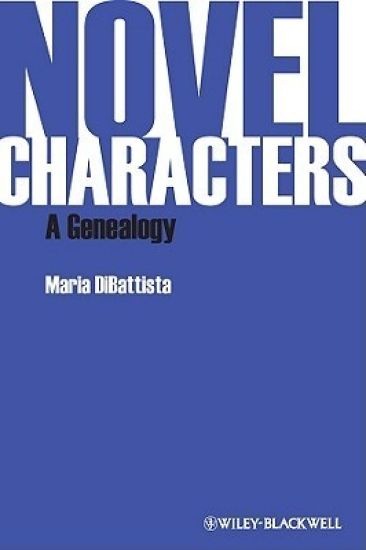
Novel Characters

Novel Characters

Maria DiBattista

Wiley-Blackwell (an imprint of John Wiley Sons Ltd)
2010
sidottu
Novel Characters offers a fascinating and in-depth history of the novelistic character from the “birth of the novel” in Don Quixote, through the great canonical works of the nineteenth and twentieth centuries, to the most influential international novels of the present day An original study which offers a unique approach to thinking about and discussing characterMakes extensive reference to both traditional and more recent and specialized academic studies of the novelProvides a critical vocabulary for understanding how the novelistic conception of character has changed over time.Examines a broad range of novels, cultures, and periodsPromotes discussion of how different cultures and times think about human identity, and how the concept of what a character is has changed over time