This text examines the democratic movement that emerged in the 1970s and 1980s within Mexico's National Union of Education Workers, the largest union in Latin America. The success of the movement stood out in a country whose governing regime was renowned for its ability to repress dissent.
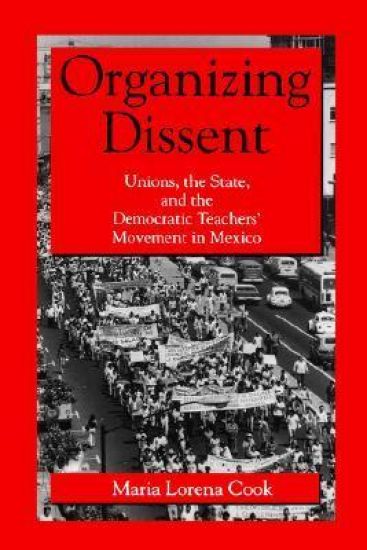
Organizing Dissent examines the democratic movement that emerged in the 1970s and 1980s within Mexico's National Union of Education Workers, the largest union in Latin America. The size, perseverance, and success the movement stood out in a country whose governing regime was renowned for its ability to co-opt, control, and repress dissent.Maria Lorena Cook analyzes the development of the teachers' movement from its origins in the 1970s through the economic crisis 0f the 1980s and into the early 1990s under the Salinas administration. She explores the evolving relationship among the union leadership, the state, and rank-and-file teachers, looks closely at organization dynamics and competing strategies within the movement, and compares the successes and failures of six regional contingents of the teachers' movement located in southern and central Mexico.
During the 1990s, governments, employers, and international agencies pressed for greater flexibility in labor regulations throughout much of Latin America. In this comparative study of six Latin American countries, Maria Lorena Cook shows why these common pressures for flexibility led to varied labor reform outcomes. Her examination of the role of organized labor in shaping reform highlights the conditions under which labor can still wield power despite a decline in overall strength.Cook employs historical case studies and paired comparisons to analyze the political dynamics that led to moderate levels of labor reform in Argentina and Brazil, extensive change in Chile and Peru, and no reform in Mexico and Bolivia. Her book identifies the array of factors-labor movement strategies, democratization and economic opening, international pressures, legal frameworks, and political legacies-that determine whether labor reforms are more likely to stress flexibility or rights.
During the 1990s, governments, employers, and international agencies pressed for greater flexibility in labor regulations throughout much of Latin America. In this comparative study of six Latin American countries, Maria Lorena Cook shows why these common pressures for flexibility led to varied labor reform outcomes. Her examination of the role of organized labor in shaping reform highlights the conditions under which labor can still wield power despite a decline in overall strength.Cook employs historical case studies and paired comparisons to analyze the political dynamics that led to moderate levels of labor reform in Argentina and Brazil, extensive change in Chile and Peru, and no reform in Mexico and Bolivia. Her book identifies the array of factors—labor movement strategies, democratization and economic opening, international pressures, legal frameworks, and political legacies—that determine whether labor reforms are more likely to stress flexibility or rights.