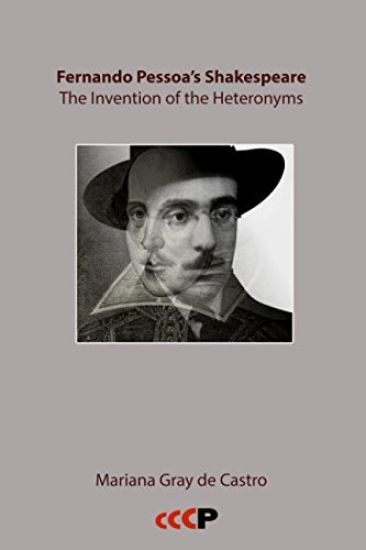
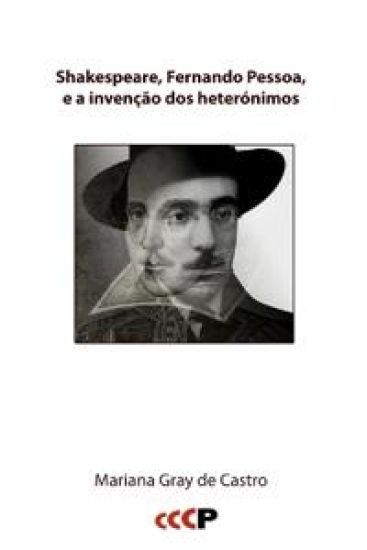
Neste estudo abrangente, Mariana Gray de Castro prop e que William Shakespeare foi a mais importante influ ncia liter ria de Fernando Pessoa, ensinando-o a inventar os heter nimos. Com base nas ideias de Pessoa sobre o g nio, a aparente invisibilidade, a poss vel loucura, e a sexualidade amb gua de Shakespeare, a autora faz uso dos textos que Pessoa escreveu sobre o seu dolo, muitos deles in ditos, bem como de anota es dentro dos seus livros shakespearianos, para mostrar como e por que motivos Shakespeare a grande presen a que subjaz heteron mia. A sua iluminadora abordagem "shakespeariana" ao centro do universo pessoano enriquece o nosso conhecimento, e aumenta a nossa admira o, pela obra destes dois gigantes da literatura. "Como uma boa detetive liter ria, Mariana Gray de Castro procurou - e descobriu - por que Fernando Pessoa se interessou tanto pela controv rsia da autoria da obra shakespeariana, pelo g nio de Shakespeare e pela sua poss vel loucura, e ainda pela sua presumida 'invers o'sexual, e revela o que tudo isto teve a ver com a inven o dos heter nimos. Pessoa, que adorava hist rias policiais e escreveu v rias, teria gostado." RICHARD ZENITH
The Portuguese Antonio Pedro (1909-1966) was a cosmopolitan and multifaceted artist; one of the pioneers of surrealism in Portugal, both as a visual artist and as a writer. He was involved in the London surrealist group in 1944-5. Today Pedro is perhaps best remembered for his steadfast opposition to Salazar's long dictatorship, initially as a BBC radio broadcaster in wartime London and, on his return to Portugal, as the director of TEP (Teatro Experimental do Porto) throughout the 1950s. Just a Story (1942) comes at the halfway point in his forward-looking transnational trajectory. Pedro lived in Brazil in 1940-1 and, while largely ignored up to now, his experience of modernity in the tropics included encounters with major Brazilian cultural players such as Mario de Andrade, Jorge de Lima, Jorge Amado, and Antonio Candido. Just a Story stands, up to a point, as a miniature Portuguese equivalent of the groundbreaking Brazilian rhapsody Macunaima: an iconoclastic novella- or a novel, if we adopt the label Pedro bestowed on his creation simply ‘because he felt like it'. Illustrated by the author, it combines surrealist tendencies with the irreverent streak that so frequently distinguished Brazilian modernism. Written predominantly from a first-person perspective, this surreal tale follows the amazing adventures of the protagonist, including his birth in the rural North of Portugal, his picaresque migration to the city, his uncanny love tryst with alluring Lulu, and his final homecoming and mind-blowing demise. To read it is to step into a child-like world of dreams and playful delight in the nonsensical. Yet, at the same time, this thought-provoking work also invites the reader on a meaningful, profound journey through human experience and reality.