Kirjojen hintavertailu. Mukana 11 717 486 kirjaa ja 12 kauppaa.

Kirjahaku

Etsi kirjoja tekijän nimen, kirjan nimen tai ISBN:n perusteella.

3 kirjaa tekijältä Marin R. Sullivan

Alloys

Alloys

Marin R. Sullivan

PRINCETON UNIVERSITY PRESS
2022
sidottu
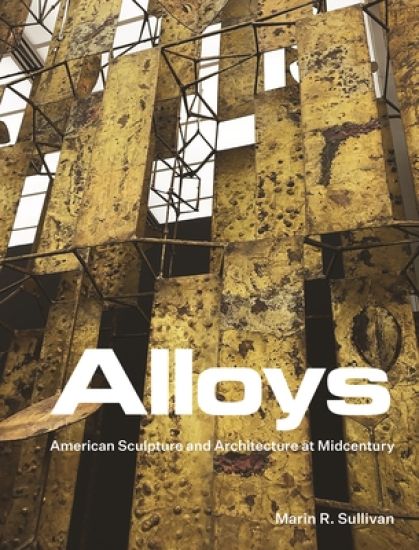
A new look at the interrelationship of architecture and sculpture during one of the richest periods of American modern designAlloys looks at a unique period of synergy and exchange in the postwar United States, when sculpture profoundly shaped architecture, and vice versa. Leading architects such as Gordon Bunshaft and Eero Saarinen turned to sculptors including Harry Bertoia, Alexander Calder, Richard Lippold, and Isamu Noguchi to produce site-determined, large-scale sculptures tailored for their buildings’ highly visible and well-traversed threshold spaces. The parameters of these spaces—atriums, lobbies, plazas, and entryways—led to various designs like sculptural walls, ceilings, and screens that not only embraced new industrial materials and processes, but also demonstrated art’s ability to merge with lived architectural spaces.Marin Sullivan argues that these sculptural commissions represent an alternate history of midcentury American art. Rather than singular masterworks by lone geniuses, some of the era’s most notable spaces—Philip Johnson’s Four Seasons Restaurant in Mies van der Rohe’s Seagram Building, Max Abramovitz’s Philharmonic Hall at Lincoln Center, and Pietro Belluschi and Walter Gropius’s Pan Am Building—would be diminished without the collaborative efforts of architects and artists. At the same time, the artistic creations within these spaces could not exist anywhere else. Sullivan shows that the principle of synergy provides an ideal framework to assess this pronounced relationship between sculpture and architecture. She also explores the afterlives of these postwar commissions in the decades since their construction.A fresh consideration of sculpture’s relationship to architectural design and functionality following World War II, Alloys highlights the affinities between the two fields and the ways their connections remain with us today.
Sculptural Materiality in the Age of Conceptualism

Sculptural Materiality in the Age of Conceptualism

Marin R. Sullivan

TAYLOR FRANCIS LTD
2021
nidottu
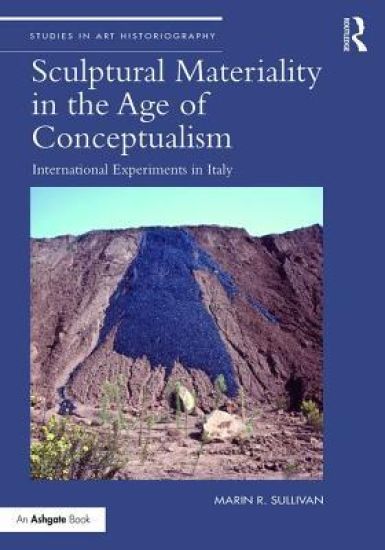
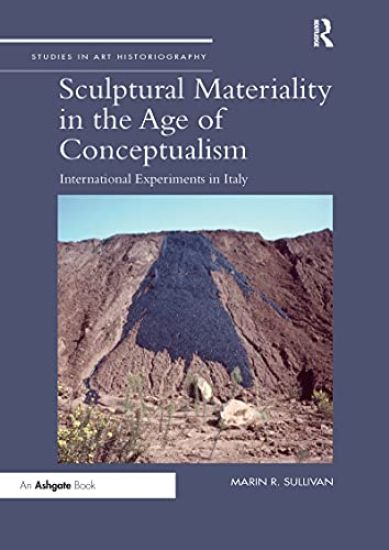
Sculptural Materiality in the Age of Conceptualism is structured around four distinct but interrelated projects initially realized in Italy between 1966 and 1972: Yayoi Kusama’s Narcissus Garden, Michelangelo Pistoletto’s Newspaper Sphere (Sfera di giornali), Robert Smithson’s Asphalt Rundown, and Joseph Beuys’s Arena. These works all utilized non-traditional materials, collaborative patronage models, and alternative modes of display to create a spatially and temporally dispersed arena of matter and action, with photography serving as a connective, material thread within the sculpture it reflects. While created by major artists of the postwar period, these particular projects have yet to receive substantive art historical analysis, especially from a sculptural perspective. Here, they anchor a transnational narrative in which sculpture emerged as a node, a center of transaction comprising multiple material phenomenon, including objects, images, and actors. When seen as entangled, polymorphous entities, these works suggest that the charge of sculpture in the late postwar period came from its concurrent existence as both three-dimensional phenomena and photographic image, in the interchanges among the materials that continue to activate and alter the constitution of sculpture within the contemporary sphere.
Sculptural Materiality in the Age of Conceptualism
Sculptural Materiality in the Age of Conceptualism is structured around four distinct but interrelated projects initially realized in Italy between 1966 and 1972: Yayoi Kusama’s Narcissus Garden, Michelangelo Pistoletto’s Newspaper Sphere (Sfera di giornali), Robert Smithson’s Asphalt Rundown, and Joseph Beuys’s Arena. These works all utilized non-traditional materials, collaborative patronage models, and alternative modes of display to create a spatially and temporally dispersed arena of matter and action, with photography serving as a connective, material thread within the sculpture it reflects. While created by major artists of the postwar period, these particular projects have yet to receive substantive art historical analysis, especially from a sculptural perspective. Here, they anchor a transnational narrative in which sculpture emerged as a node, a center of transaction comprising multiple material phenomenon, including objects, images, and actors. When seen as entangled, polymorphous entities, these works suggest that the charge of sculpture in the late postwar period came from its concurrent existence as both three-dimensional phenomena and photographic image, in the interchanges among the materials that continue to activate and alter the constitution of sculpture within the contemporary sphere.