Kirjojen hintavertailu. Mukana 11 699 587 kirjaa ja 12 kauppaa.

Kirjahaku

Etsi kirjoja tekijän nimen, kirjan nimen tai ISBN:n perusteella.

7 kirjaa tekijältä Marina MacKay

Ian Watt

Ian Watt

Marina MacKay

Oxford University Press
2018
sidottu
Before his masterpiece The Rise of the Novel made him one of the most influential post-war British literary critics, Ian Watt was a soldier, a prisoner of war of the Japanese, and a forced labourer on the notorious Burma-Thailand Railway. Both an intellectual biography and an intellectual history of the mid-century, this book reconstructs Watt's wartime world: these were harrowing years of mass death, deprivation, and terror, but also ones in which communities and institutions were improvised under the starkest of emergency conditions. Ian Watt: The Novel and the Wartime Critic argues that many of our foundational stories about the novel—about the novel's origins and development, and about the social, moral, and psychological work that the novel accomplishes—can be traced to the crises of the Second World War and its aftermath.
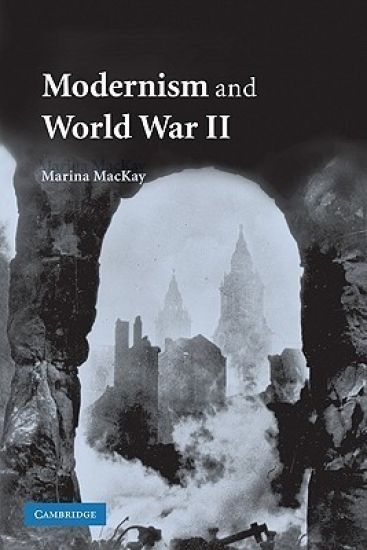
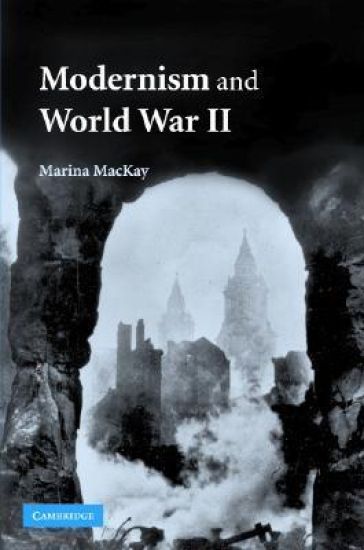
Modernism and World War II

Modernism and World War II

Marina MacKay

Cambridge University Press
2010
pokkari
World War II marked the beginning of the end of literary modernism in Britain. However, this late period of modernism and its response to the war have not yet received the scholarly attention they deserve. In this full-length study of modernism and World War II, Marina MacKay offers historical readings of Virginia Woolf, Rebecca West, T. S. Eliot, Henry Green and Evelyn Waugh set against the dramatic background of national struggle and transformation. In recovering how these major authors engaged with other texts of their time - political discourses, mass and middlebrow culture - this study reveals how World War II brought to the surface the underlying politics of modernism's aesthetic practices. Through close analyses of the revisions made to modernist thinking after 1939, MacKay establishes the significance of this persistently neglected phase of modern literature as a watershed moment in twentieth-century literary history.
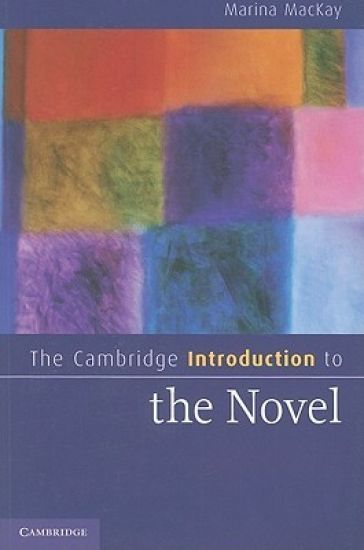
The Cambridge Introduction to the Novel

The Cambridge Introduction to the Novel

Marina MacKay

Cambridge University Press
2010
pokkari
Beginning its life as the sensational entertainment of the eighteenth century, the novel has become the major literary genre of modern times. Drawing on hundreds of examples of famous novels from all over the world, Marina MacKay explores the essential aspects of the novel and its history: where novels came from and why we read them; how we think about their styles and techniques, their people, plots, places, and politics. Between the main chapters are longer readings of individual works, from Don Quixote to Midnight's Children. A glossary of key terms and a guide to further reading are included, making this an ideal accompaniment to introductory courses on the novel.
Modernism and World War II

Modernism and World War II

Marina MacKay

Cambridge University Press
2007
sidottu
World War II marked the beginning of the end of literary modernism in Britain. However, this late period of modernism and its response to the war have not yet received the scholarly attention they deserve. In this full-length study of modernism and World War II, Marina MacKay offers historical readings of Virginia Woolf, Rebecca West, T. S. Eliot, Henry Green and Evelyn Waugh set against the dramatic background of national struggle and transformation. In recovering how these major authors engaged with other texts of their time - political discourses, mass and middlebrow culture - this study reveals how World War II brought to the surface the underlying politics of modernism's aesthetic practices. Through close analyses of the revisions made to modernist thinking after 1939, MacKay establishes the significance of this persistently neglected phase of modern literature as a watershed moment in twentieth-century literary history.
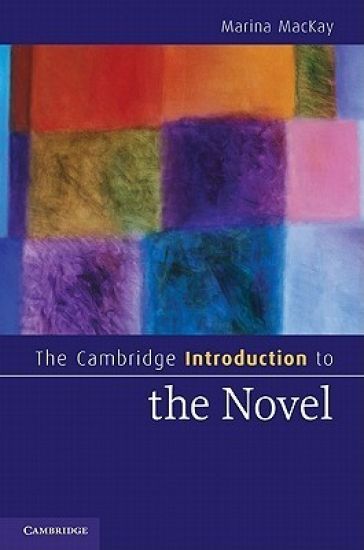
The Cambridge Introduction to the Novel

The Cambridge Introduction to the Novel

Marina MacKay

Cambridge University Press
2010
sidottu
Beginning its life as the sensational entertainment of the eighteenth century, the novel has become the major literary genre of modern times. Drawing on hundreds of examples of famous novels from all over the world, Marina MacKay explores the essential aspects of the novel and its history: where novels came from and why we read them; how we think about their styles and techniques, their people, plots, places, and politics. Between the main chapters are longer readings of individual works, from Don Quixote to Midnight's Children. A glossary of key terms and a guide to further reading are included, making this an ideal accompaniment to introductory courses on the novel.
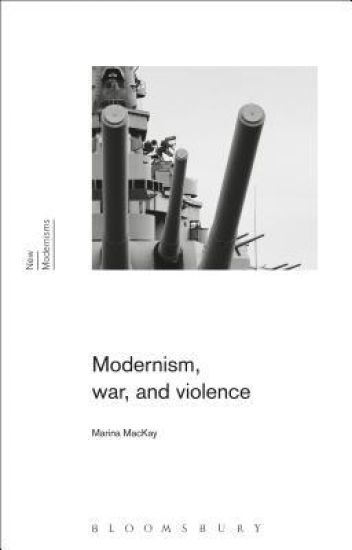
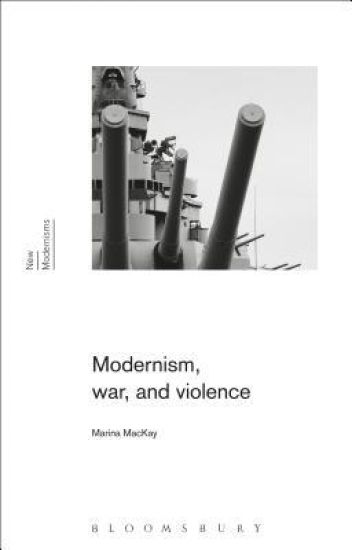
Modernism, War, and Violence

Modernism, War, and Violence

Marina MacKay

Bloomsbury Academic
2017
sidottu
The modernist period was an era of world war and violent revolution. Covering a wide range of authors from Joseph Conrad and Thomas Hardy at the beginning of the period to Elizabeth Bowen and Samuel Beckett at the end, this book situates modernism’s extraordinary literary achievements in their contexts of historical violence, while surveying the ways in which the relationships between modernism and conflict have been understood by readers and critics over the past fifty years. Ranging from the colonial conflicts of the late 19th century to the world wars and the civil wars in between, and concluding with the institutionalization of modernism in the Cold War, Modernism, War, and Violence provides a starting point for readers who are new to these topics and offers a comprehensive and up-to-date survey of the field for a more advanced audience.
Modernism, War, and Violence

Modernism, War, and Violence

Marina MacKay

Bloomsbury Academic
2017
nidottu
The modernist period was an era of world war and violent revolution. Covering a wide range of authors from Joseph Conrad and Thomas Hardy at the beginning of the period to Elizabeth Bowen and Samuel Beckett at the end, this book situates modernism’s extraordinary literary achievements in their contexts of historical violence, while surveying the ways in which the relationships between modernism and conflict have been understood by readers and critics over the past fifty years. Ranging from the colonial conflicts of the late 19th century to the world wars and the civil wars in between, and concluding with the institutionalization of modernism in the Cold War, Modernism, War, and Violence provides a starting point for readers who are new to these topics and offers a comprehensive and up-to-date survey of the field for a more advanced audience.