Kirjojen hintavertailu. Mukana 11 358 308 kirjaa ja 12 kauppaa.

Kirjahaku

Etsi kirjoja tekijän nimen, kirjan nimen tai ISBN:n perusteella.

10 kirjaa tekijältä Mario C. Barbiere

Activating the Learner's Brain

Activating the Learner's Brain

Mario C. Barbiere

Rowman Littlefield
2018
sidottu
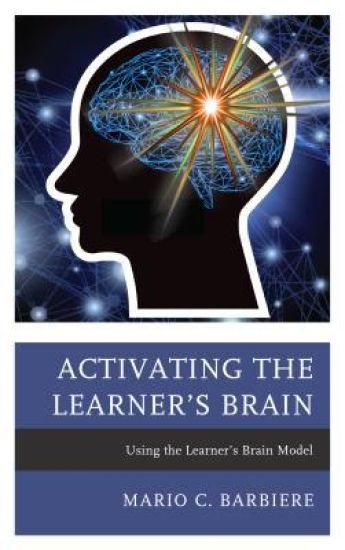
Activating the Learner’s Brain promotes a “Learner’s Brain Model”, using brain research to understand the nature to the learner. This book goes beyond lesson planning as it addresses instructional delivery, use of assessments, Consolidation for Closure, reflection and includes rubrics for professional growth. The first chapter is devoted to addressing planning and executing instructional delivery answering the question: do I teach for competency or performance? Following lesson execution, the subsequent chapter discusses assessments. Are assessments of learning or for learning, or both? Assessments are used to collect data as well as a strategy called “Consolidation for Closure” Once the data is collected, the data is analyzed and used for subsequent lessons. A critical component for success is reflection and the last chapter provides reflective questions teachers and students can use.
Activating the Learner's Brain

Activating the Learner's Brain

Mario C. Barbiere

Rowman Littlefield
2018
nidottu
Activating the Learner’s Brain promotes a “Learner’s Brain Model”, using brain research to understand the nature to the learner. This book goes beyond lesson planning as it addresses instructional delivery, use of assessments, Consolidation for Closure, reflection and includes rubrics for professional growth. The first chapter is devoted to addressing planning and executing instructional delivery answering the question: do I teach for competency or performance? Following lesson execution, the subsequent chapter discusses assessments. Are assessments of learning or for learning, or both? Assessments are used to collect data as well as a strategy called “Consolidation for Closure” Once the data is collected, the data is analyzed and used for subsequent lessons. A critical component for success is reflection and the last chapter provides reflective questions teachers and students can use.
Setting the Stage

Setting the Stage

Mario C. Barbiere

Rowman Littlefield
2018
nidottu
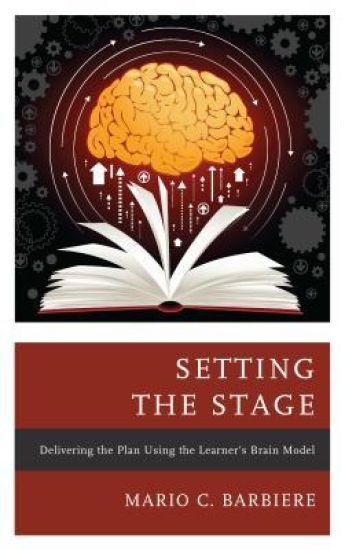
Setting the Stage promotes a “Learner’s Brain Model” using brain research to understand the nature to the learner so teachers can develop lessons based on the nature of the learner. There is also a focus on student self-regulation. The first chapter is devoted to the nature of the learner so teachers and administrators can begin a reflection process of determining what they do and how the learner learns to see if there is a match between what is taught and how it will be processed. Too often low student achievement and school turnaround is focused on “fixing” teachers and not on understanding the learner enabling teachers to adapt their strategies more effectively. Strategies which address student learning lead to more effective lessons. Following the nature of the learner, subsequent chapters discuss planning lessons that make sense and have meaning so the information gets stored in long term memory. Once information is in long-term memory, it is retrievable for use. Strategies are provided throughout the book supported by brain research to help teachers plan lessons.
Setting the Stage

Setting the Stage

Mario C. Barbiere

Rowman Littlefield
2018
sidottu
Setting the Stage promotes a “Learner’s Brain Model” using brain research to understand the nature to the learner so teachers can develop lessons based on the nature of the learner. There is also a focus on student self-regulation. The first chapter is devoted to the nature of the learner so teachers and administrators can begin a reflection process of determining what they do and how the learner learns to see if there is a match between what is taught and how it will be processed. Too often low student achievement and school turnaround is focused on “fixing” teachers and not on understanding the learner enabling teachers to adapt their strategies more effectively. Strategies which address student learning lead to more effective lessons. Following the nature of the learner, subsequent chapters discuss planning lessons that make sense and have meaning so the information gets stored in long term memory. Once information is in long-term memory, it is retrievable for use. Strategies are provided throughout the book supported by brain research to help teachers plan lessons.
A Field Guide for Setting the Stage

A Field Guide for Setting the Stage

Mario C. Barbiere

Rowman Littlefield
2018
sidottu
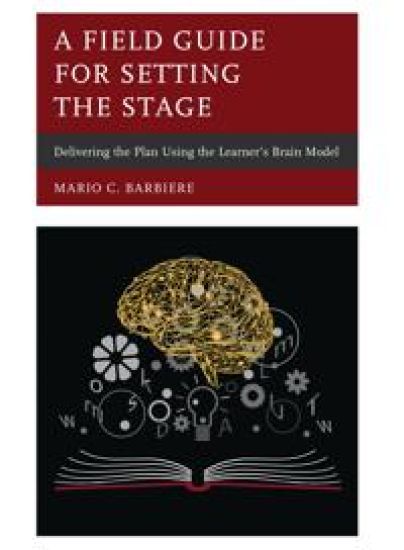
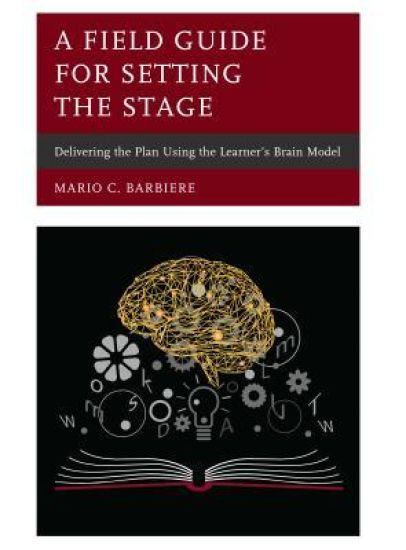
This book addresses the nature of the learner and how to plan and deliver instruction for long term learning. The Field Guide is intended as a tool for administrators, teachers, parents or students as it includes activities and worksheets for planning lessons, delivering effective lessons fly for skill reinforcement. The field guide is an excellent supplement to book Setting the Stage: Teaching to the Lerner’s Brain or can be used as a stand-alone text. The field guide begins with understanding the nature of the learner. Once the lesson is planned, introducing the lesson to hook student interest is next. Once “hooked” making sense and having meaning will ensure that the information gets stored in long-term memory which is the goal of every teacher.
A Field Guide for Setting the Stage

A Field Guide for Setting the Stage

Mario C. Barbiere

Rowman Littlefield
2018
nidottu
This book addresses the nature of the learner and how to plan and deliver instruction for long term learning. The Field Guide is intended as a tool for administrators, teachers, parents or students as it includes activities and worksheets for planning lessons, delivering effective lessons fly for skill reinforcement. The field guide is an excellent supplement to book Setting the Stage: Teaching to the Lerner’s Brain or can be used as a stand-alone text. The field guide begins with understanding the nature of the learner. Once the lesson is planned, introducing the lesson to hook student interest is next. Once “hooked” making sense and having meaning will ensure that the information gets stored in long-term memory which is the goal of every teacher.
A Field Guide for Activating the Learner

A Field Guide for Activating the Learner

Mario C. Barbiere

Rowman Littlefield
2018
sidottu
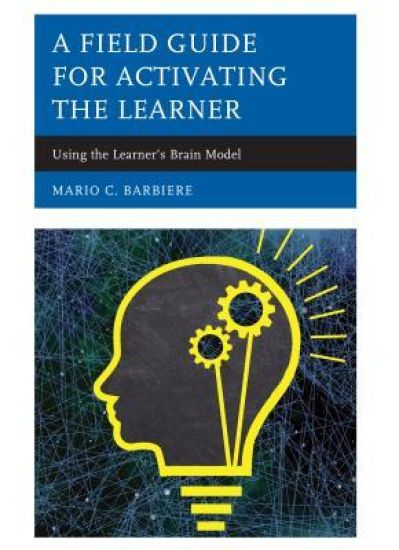
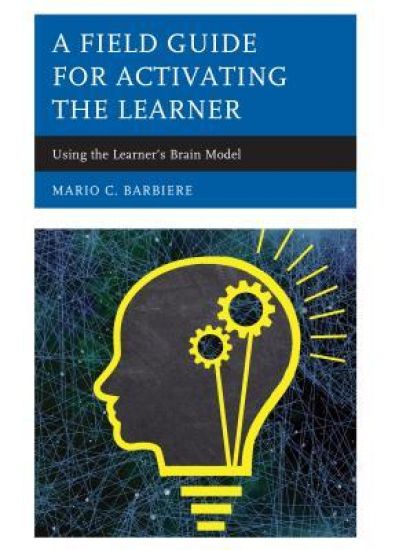
How will a teacher plan his/her instructional delivery and deliver their plan? How will he/she know if the assessments they used were effective and what will they do with that information? What is Consolidation for Closure? What role is reflection in lesson planning? These questions and many more were addressed and answered in the field guide so the readers would have a theoretical construct for each strategy is provided. Having a theoretical framework for instruction is useful, but how theory intersects with practice is important. The theory must be applicable in the classroom. This field guide provides practical application of the skills presented via activities and worksheets that are provided within each chapter. The activities and worksheets can be used for professional development sessions, Professional Learning communities (PLC) and grade level meetings. Included are rubrics for classroom environment, differentiated instruction, Objective and Demonstration of Student Learning (DSL) rubric, Objective and Demonstration of Student Learning (DSL) checklist, student engagement, student interviews, use of data can be used for self-improvement, peer coaching, or for self-improvement.
A Field Guide for Activating the Learner

A Field Guide for Activating the Learner

Mario C. Barbiere

Rowman Littlefield
2018
nidottu
How will a teacher plan his/her instructional delivery and deliver their plan? How will he/she know if the assessments they used were effective and what will they do with that information? What is Consolidation for Closure? What role is reflection in lesson planning? These questions and many more were addressed and answered in the field guide so the readers would have a theoretical construct for each strategy is provided. Having a theoretical framework for instruction is useful, but how theory intersects with practice is important. The theory must be applicable in the classroom. This field guide provides practical application of the skills presented via activities and worksheets that are provided within each chapter. The activities and worksheets can be used for professional development sessions, Professional Learning communities (PLC) and grade level meetings. Included are rubrics for classroom environment, differentiated instruction, Objective and Demonstration of Student Learning (DSL) rubric, Objective and Demonstration of Student Learning (DSL) checklist, student engagement, student interviews, use of data can be used for self-improvement, peer coaching, or for self-improvement.
Empowering Students Through Questioning

Empowering Students Through Questioning

Mario C. Barbiere

BLOOMSBURY PUBLISHING PLC
2022
sidottu
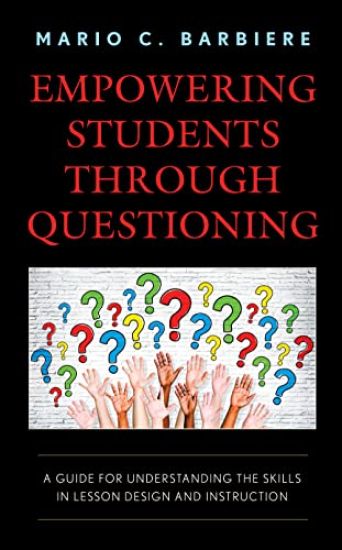
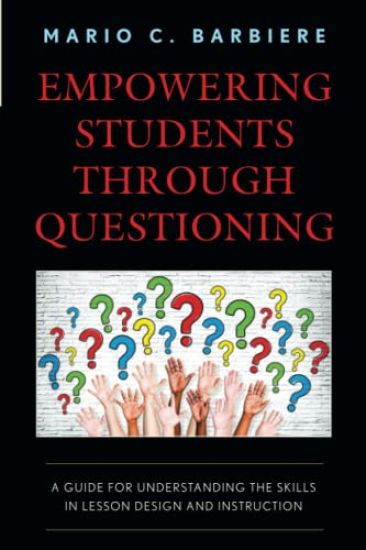
Teachers ask 40 questions a day. Do the questions empower students, assess student knowledge of the subject matter, or promote student metacognition? Empowering Students Through Questioning: A Guide for Understanding the Skills in Lesson Design and Instruction addresses the art and skill of questioning so teachers can plan more effective lessons and achieve greater student engagement and cognition. Included are practice activities for teachers to use in planning questions for their lesson, as well as field tested rubrics to help coach and mentor teachers in understanding how their questions address student activity. The book also discusses common pitfalls of questioning, what type of test is best to use to assess student knowledge, activities for planning and assessing questioning, types of assessments to use, and the types of questions that are most effective for the specific assessment. The relationship between Revised Bloom’s Taxonomy (teacher input) and Webb’s Depth of Knowledge (student output) is also shown so teachers can see the impact of their questioning.
Empowering Students Through Questioning

Empowering Students Through Questioning

Mario C. Barbiere

BLOOMSBURY PUBLISHING PLC
2022
nidottu
Teachers ask 40 questions a day. Do the questions empower students, assess student knowledge of the subject matter, or promote student metacognition? Empowering Students Through Questioning: A Guide for Understanding the Skills in Lesson Design and Instruction addresses the art and skill of questioning so teachers can plan more effective lessons and achieve greater student engagement and cognition. Included are practice activities for teachers to use in planning questions for their lesson, as well as field tested rubrics to help coach and mentor teachers in understanding how their questions address student activity. The book also discusses common pitfalls of questioning, what type of test is best to use to assess student knowledge, activities for planning and assessing questioning, types of assessments to use, and the types of questions that are most effective for the specific assessment. The relationship between Revised Bloom’s Taxonomy (teacher input) and Webb’s Depth of Knowledge (student output) is also shown so teachers can see the impact of their questioning.