Kirjojen hintavertailu. Mukana 11 590 110 kirjaa ja 12 kauppaa.

Kirjahaku

Etsi kirjoja tekijän nimen, kirjan nimen tai ISBN:n perusteella.

4 kirjaa tekijältä Mario Saraceni

The Language of Comics

The Language of Comics

Mario Saraceni

Routledge
2003
nidottu
The Intertext series has been specifically designed to meet the needs of contemporary English Language Studies. Working with Texts: A Core Introduction to Language Analysis (second edition, 2001) is the foundation text, which is complemented by a range of 'satellite' titles. These provide students with hands-on practical experience of textual analysis through special topics, and can be used individually or in conjunction with Working with Texts.The Language of Comics: highly illustrated with large number of real comic strips provides a history of comics from the end of the nineteenth century to the presentexplores the 'semiotics of comics', from the interaction between the verbal and the visual and how texts interrelate to the way speech and thought are reported in narrative and point of viewmakes the case for comics as multi-modal texts and considers future developments in the genreis user friendly and accessible, and provides a full glossary.
The Language of Comics

The Language of Comics

Mario Saraceni

Routledge
2003
sidottu
The Intertext series has been specifically designed to meet the needs of contemporary English Language Studies. Working with Texts: A Core Introduction to Language Analysis (second edition, 2001) is the foundation text, which is complemented by a range of 'satellite' titles. These provide students with hands-on practical experience of textual analysis through special topics, and can be used individually or in conjunction with Working with Texts.The Language of Comics: highly illustrated with large number of real comic strips provides a history of comics from the end of the nineteenth century to the presentexplores the 'semiotics of comics', from the interaction between the verbal and the visual and how texts interrelate to the way speech and thought are reported in narrative and point of viewmakes the case for comics as multi-modal texts and considers future developments in the genreis user friendly and accessible, and provides a full glossary.
World Englishes: A Critical Analysis

World Englishes: A Critical Analysis

Mario Saraceni

Bloomsbury Academic USA
2015
nidottu
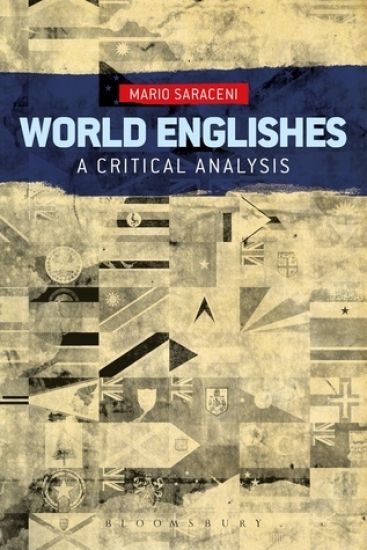
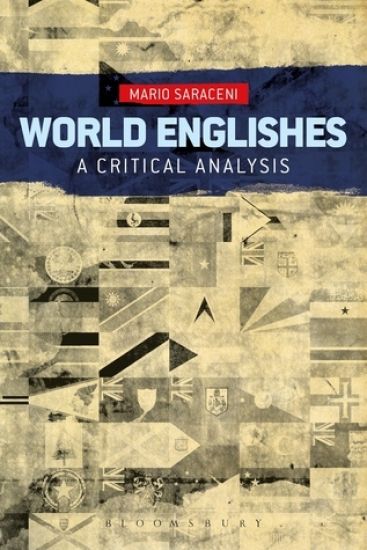
Winner of the BAAL Book Prize 2016The field of "World Englishes" takes on ever more importance in the modern era. Mario Saraceni's World Englishes: A Critical Analysis looks at the developments in the field from a critical perspective. It examines the historical, linguistic, ideological and pedagogical aspects in the study of the ever-evolving forms, roles and statuses of English around the world. The principal aim is to offer a critical overview of the field in order both to inform readers about the main issues at stake and to challenge established positions and descriptive/analytical paradigms. The book has four sections, each of which reviews established accounts and offers alternative perspectives on those. “History” considers representations of the evolution of ‘old English’ and ‘new Englishes’ and begins to unveil the strong link between conventional accounts and ideological motivations. “Language” critically examines the traditional notion of ‘difference’ in the description of varieties of English, and discusses more recent orientations which aim to describe English as a lingua franca and the phenomenon of language hybridity. “Ideology” examines ideological debates around the presence and status of English in the world, such as linguistic imperialism, language ownership and language ecology. The final section, “Pedagogy” discusses pedagogical implications, such as the choice of appropriate ‘models’ of English and considers the possibility of teaching English as a fully de-anglicised language.
World Englishes: A Critical Analysis

World Englishes: A Critical Analysis

Mario Saraceni

Bloomsbury Academic USA
2015
sidottu
Winner of the BAAL Book Prize 2016The field of "World Englishes" takes on ever more importance in the modern era. Mario Saraceni's World Englishes: A Critical Analysis looks at the developments in the field from a critical perspective. It examines the historical, linguistic, ideological and pedagogical aspects in the study of the ever-evolving forms, roles and statuses of English around the world. The principal aim is to offer a critical overview of the field in order both to inform readers about the main issues at stake and to challenge established positions and descriptive/analytical paradigms. The book has four sections, each of which reviews established accounts and offers alternative perspectives on those. “History” considers representations of the evolution of ‘old English’ and ‘new Englishes’ and begins to unveil the strong link between conventional accounts and ideological motivations. “Language” critically examines the traditional notion of ‘difference’ in the description of varieties of English, and discusses more recent orientations which aim to describe English as a lingua franca and the phenomenon of language hybridity. “Ideology” examines ideological debates around the presence and status of English in the world, such as linguistic imperialism, language ownership and language ecology. The final section, “Pedagogy” discusses pedagogical implications, such as the choice of appropriate ‘models’ of English and considers the possibility of teaching English as a fully de-anglicised language.