Kirjojen hintavertailu. Mukana 11 365 277 kirjaa ja 12 kauppaa.

Kirjahaku

Etsi kirjoja tekijän nimen, kirjan nimen tai ISBN:n perusteella.

5 kirjaa tekijältä Marion Grau

Pilgrimage, Landscape, and Identity

Pilgrimage, Landscape, and Identity

Marion Grau

Oxford University Press Inc
2021
sidottu
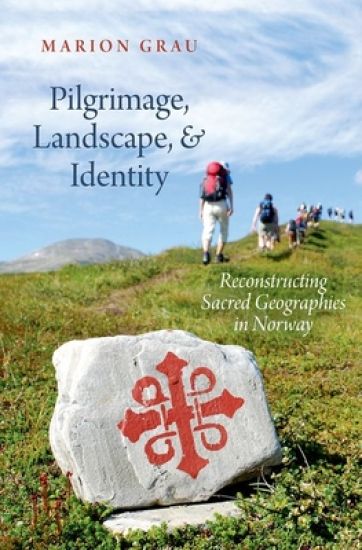
Pilgrimage, Landscape, and Identity: Reconstructing Sacred Geographies in Norway explores the ritual geography of a pilgrimage system that arose around medieval saints in Norway, a country now being transformed by petroleum riches, neoliberalism, migration and global warming. What it means to be Norwegian and Christian in this changing context is constantly being renegotiated. The contemporary revival of pilgrimage to the burial site of St. Olav at Nidaros Cathedral in Trondheim is one site where this negotiation takes place. St. Olav played a major role in the unification of regions of Norway into a nation united by Christian law and faith, though most contemporary pilgrims have only a passing interest in the historical background of the pilgrimage. The pilgrimage network comprises a wide variety of participants: individuals, casual groups, guided group pilgrimages, activist pilgrims raising awareness for causes such as climate change and hospice services, as well as increasing numbers of local and foreign pilgrims of various ages, government officials, pilgrimage activists, and pilgrimage priests supplied by the Church of Norway (Lutheran). Part of the study focuses on the Olavsfest, a cultural and music festival that engages the heritage of St. Olav and the Church of Norway through theater, music, lectures, and discussions, and theological and interreligious conversations. This festival offers an opportunity for creative and critical engagement with a difficult historical figure and his contested, violent heritage and constitutes one of the ways in which this pilgrimage network represents a critical Protestant tradition engaging a legacy through ritual creativity. This study maps how pilgrims, hosts, church officials, and government officials participate in reshaping narratives of landscape, sacrality, and pilgrimage as a symbol of life journey, nation, identity, Christianity, and Protestant reflections on the durability of medieval Catholic saints.
Of Divine Economy

Of Divine Economy

Marion Grau

T. T.Clark Ltd
2005
sidottu
Of Divine Economy expands upon the economic connotations of the theological doctrine of redemption. The term redemption refers to a process of 'buying back' slaves from conditions of oppression, and thus compares the crux of Christian dogma to an economic exchange involving human emancipation. The phrase 'miraculous exchanges' refers to the problem of redemptive divine and human agency in an economic context in which many who desire justice and equity feel powerless and hopeless. The originality of Divine Economy lies not only in its theological reading of redemption as an economic metaphor, but also in its focus on the economic subtexts of Christian tradition and how they form and are formed by society's economic constructions. Grau's unique project merges together economic, historical, and psycho-social analysis with theological critique and construction.
Of Divine Economy

Of Divine Economy

Marion Grau

T. T.Clark Ltd
2005
nidottu
Divine Economy expands upon the economic connotations of the theological doctrine of redemption. The term redemption refers to a process of "buying back" slaves from conditions of oppression and thus compares the crux of Christian dogma to an economic exchange involving human emancipation. The phrase "miraculous exchanges" refers to the problem of redemptive divine and human agency in an economic context in which many who desire justice and equity feel powerless and hopeless. The originality of Divine Economy lies not only in its theological reading of redemption as an economic metaphor, but also in its focus on the economic subtexts of Christian tradition and how they form and are formed by society's economic constructions. Grau's unique project merges together economic, historical, and psycho-social analysis with theological critique and construction.
Rethinking Mission in the Postcolony

Rethinking Mission in the Postcolony

Marion Grau

T. T.Clark Ltd
2011
sidottu
This is a progressive Christian approach to soteriology and missiology in a global, postcolonial context. Much of the history of mission has been interlaced with imperial structures. Often the colonial and economic impulses of the colonial powers overshadow some of the counter-imperial tendencies of biblical texts and ecclesial communities. Evangelical missionary theologies have led to cultural genocide. These missionary practices have been heavily critiqued in the last few decades. Christian progressives have been in the forefront of the critique of mission, but have often responded in ways that reject the of mission of the word, instead highlighting a mission focused on developmental concerns that obscures the Christian content but continues to push Western capitalist structures into 'developing' postcolonial societies. Instead, this book proposes an integration of gospel and culture. It aims to steer a third course towards an integration of the knowledge and treasures, the losses and laments of Christianities forged in colonizing and colonized societies. Proposing that these Christianities are more alike than different, and in need of each other for reconciliation of communities facing the ecological and economic collapse at the limits of what the planet can carry.
Rethinking Mission in the Postcolony

Rethinking Mission in the Postcolony

Marion Grau

T. T.Clark Ltd
2011
nidottu
This is a progressive Christian approach to soteriology and missiology in a global, postcolonial context. Much of the history of mission has been interlaced with imperial structures. Often the colonial and economic impulses of the colonial powers overshadow some of the counter-imperial tendencies of biblical texts and ecclesial communities. Evangelical missionary theologies have led to cultural genocide. These missionary practices have been heavily critiqued in the last few decades. Christian progressives have been in the forefront of the critique of mission, but have often responded in ways that reject the of mission of the word, instead highlighting a mission focused on developmental concerns that obscures the Christian content but continues to push Western capitalist structures into 'developing' postcolonial societies. Instead, this book proposes an integration of gospel and culture. It aims to steer a third course towards an integration of the knowledge and treasures, the losses and laments of Christianities forged in colonizing and colonized societies. Proposing that these Christianities are more alike than different, and in need of each other for reconciliation of communities facing the ecological and economic collapse at the limits of what the planet can carry.