Kirjojen hintavertailu. Mukana 12 390 323 kirjaa ja 12 kauppaa.

Kirjahaku

Etsi kirjoja tekijän nimen, kirjan nimen tai ISBN:n perusteella.

29 kirjaa tekijältä Marion Nestle

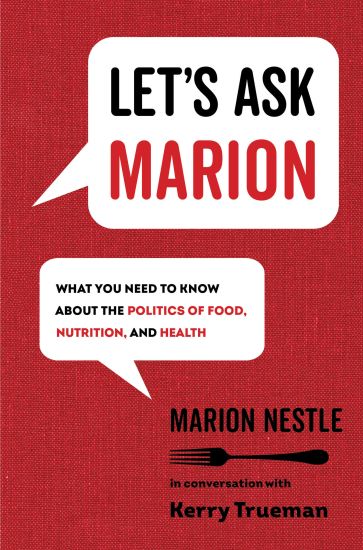
Let's Ask Marion

Let's Ask Marion

Marion Nestle; Kerry Trueman

University of California Press
2020
sidottu
"There is no one better to ask than Marion, who is the leading guide in intelligent, unbiased, independent advice on eating, and has been for decades."––Mark Bittman, author of How to Cook Everything Let’s Ask Marion is a savvy and insightful question-and-answer collection that showcases the expertise of food politics powerhouse Marion Nestle in exchanges with environmental advocate Kerry Trueman. These informative essays show us how to advocate for food systems that are healthier for people and the planet, moving from the politics of personal dietary choices, to community food issues, and finally to matters that affect global food systems. Nestle has been thinking, writing, and teaching about food systems for decades, and her impact is unparalleled. Let’s Ask Marion provides an accessible survey of her opinions and conclusions for anyone curious about the individual, social, and global politics of food.
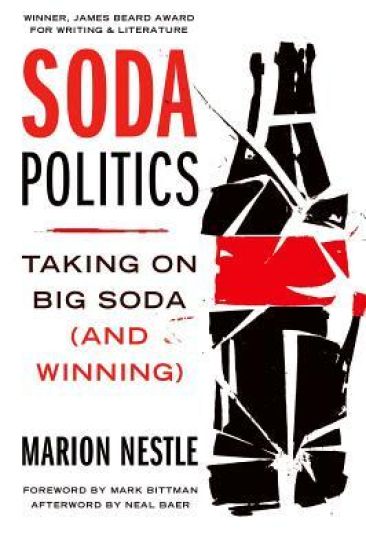
Soda Politics

Soda Politics

Marion Nestle

Oxford University Press Inc
2017
nidottu
Sodas are astonishing products. Little more than flavored sugar-water, these drinks cost practically nothing to produce or buy, yet have turned their makers--principally Coca-Cola and PepsiCo--into a multibillion-dollar industry with global recognition, distribution, and political power. Billed as "refreshing," "tasty," "crisp," and "the real thing," sodas also happen to be so well established to contribute to poor dental hygiene, higher calorie intake, obesity, and type-2 diabetes that the first line of defense against any of these conditions is to simply stop drinking them. Habitually drinking large volumes of soda not only harms individual health, but also burdens societies with runaway healthcare costs. So how did products containing absurdly inexpensive ingredients become multibillion dollar industries and international brand icons, while also having a devastating impact on public health? In Soda Politics, the 2016 James Beard Award for Writing & Literature Winner, Dr. Marion Nestle answers this question by detailing all of the ways that the soft drink industry works overtime to make drinking soda as common and accepted as drinking water, for adults and children. Dr. Nestle, a renowned food and nutrition policy expert and public health advocate, shows how sodas are principally miracles of advertising; Coca-Cola and PepsiCo spend billions of dollars each year to promote their sale to children, minorities, and low-income populations, in developing as well as industrialized nations. And once they have stimulated that demand, they leave no stone unturned to protect profits. That includes lobbying to prevent any measures that would discourage soda sales, strategically donating money to health organizations and researchers who can make the science about sodas appear confusing, and engaging in Corporate Social Responsibility (CSR) activities to create goodwill and silence critics. Soda Politics follows the money trail wherever it leads, revealing how hard Big Soda works to sell as much of their products as possible to an increasingly obese world. But Soda Politics does more than just diagnose a problem--it encourages readers to help find solutions. From Berkeley to Mexico City and beyond, advocates are successfully countering the relentless marketing, promotion, and political protection of sugary drinks. And their actions are having an impact--for all of the hardball and softball tactics the soft drink industry employs to maintain the status quo, soda consumption has been flat or falling for years. Health advocacy campaigns are now the single greatest threat to soda companies' profits. Soda Politics provides readers with the tools they need to keep up pressure on Big Soda in order to build healthier and more sustainable food systems.
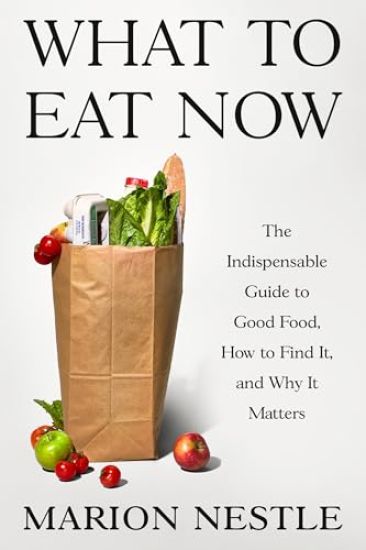
What to Eat Now: The Indispensable Guide to Good Food, How to Find It, and Why It Matters
A thoroughly revised classic, What to Eat Now is a field guide to food shopping in America, and a treatise on how to eat well and deliciously. What to Eat Now is a clear-eyed, no-nonsense guide to the most important food questions on our plate today. How do we make informed dietary choices for ourselves, our families, and our communities? In the twenty years since Marion Nestle's groundbreaking What to Eat first came out, food has undergone a radical change. The emergence of techno foods, the growth of corporate organics, and a surge of interest in food-delivery services reignited by the pandemic are just a few of the things that have altered how we think about how we eat. The typical American supermarket carries more than thirty thousand products. How do you choose? Misinformation, disinformation, and corporate misdirection play a crucial and hard-to-see role in how the average shopper thinks about and chooses food. In an aisle-by-aisle guide, Nestle, America's preeminent nutritionist and a founding figure in American food studies, takes us through the American supermarket. With persistence, wit, and common sense, she establishes the basics of good nutrition, food safety, and ethical and sustainable eating, and gives readers a close-up look at the web of interests--from supermarket slotting policies to multinational food corporations to lobbying groups--that food has to navigate before it gets to your shopping basket. Above all else, What to Eat Now is a defense of real food and of the value of eating deliciously, mindfully, and responsibly.
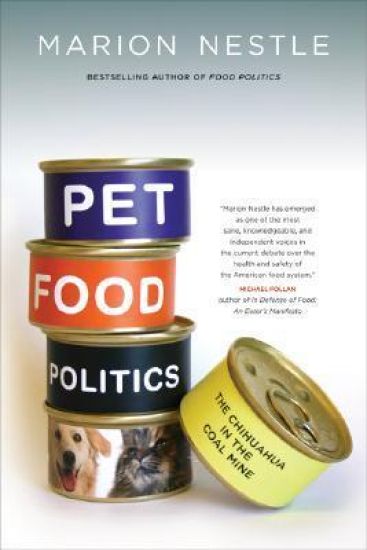
Pet Food Politics

Pet Food Politics

Marion Nestle

University of California Press
2008
sidottu
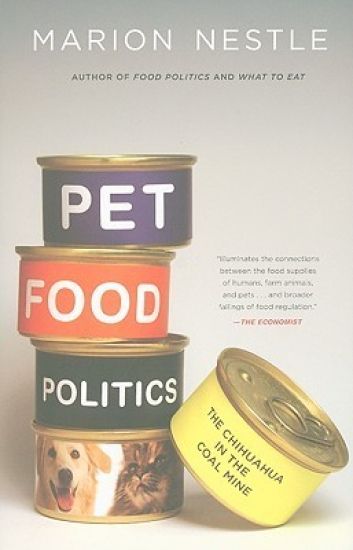
Marion Nestle, acclaimed author of "Food Politics", now tells the gripping story of how, in early 2007, a few telephone calls about sick cats set off the largest recall of consumer products in U.S. history and an international crisis over the safety of imported goods ranging from food to toothpaste, tires, and toys. Nestle follows the trail of tainted pet food ingredients back to their source in China and along the supply chain to their introduction into feed for pigs, chickens, and fish in the United States, Canada, and other countries throughout the world. What begins as a problem 'merely' for cats and dogs soon becomes an issue of tremendous concern to everyone. Nestle uncovers unexpected connections among the food supplies for pets, farm animals, and people and identifies glaring gaps in the global oversight of food safety.
Pet Food Politics

Pet Food Politics

Marion Nestle

University of California Press
2010
pokkari
Marion Nestle, acclaimed author of "Food Politics", now tells the gripping story of how, in early 2007, a few telephone calls about sick cats set off the largest recall of consumer products in U.S. history and an international crisis over the safety of imported goods ranging from food to toothpaste, tires, and toys. Nestle follows the trail of tainted pet food ingredients back to their source in China and along the supply chain to their introduction into feed for pigs, chickens, and fish in the United States, Canada, and other countries throughout the world. What begins as a problem 'merely' for cats and dogs soon becomes an issue of tremendous concern to everyone. Nestle uncovers unexpected connections among the food supplies for pets, farm animals, and people and identifies glaring gaps in the global oversight of food safety.
Safe Food

Safe Food

Marion Nestle

University of California Press
2010
pokkari
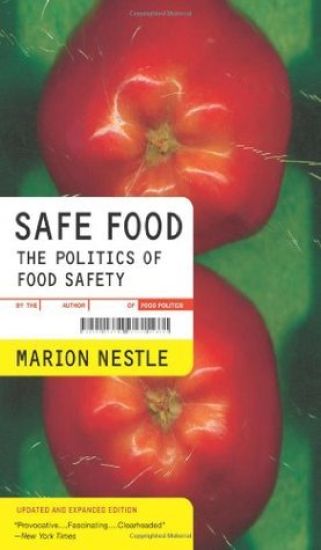
Food safety is a matter of intense public concern, and for good reason. Millions of annual cases of food 'poisonings' raise alarm not only about the food served in restaurants and fast-food outlets but also about foods bought in supermarkets. The introduction of genetically modified foods - immediately dubbed 'Frankenfoods' - only adds to the general sense of unease. Finally, the events of September 11, 2001, heightened fears by exposing the vulnerability of food and water supplies to attacks by bioterrorists. How concerned should we be about such problems? Who is responsible for preventing them? Who benefits from ignoring them? Who decides? Marion Nestle, author of the critically acclaimed "Food Politics", argues that ensuring safe food involves more than washing hands or cooking food to higher temperatures. It involves politics. When it comes to food safety, billions of dollars are at stake, and industry, government, and consumers collide over issues of values, economics, and political power - and not always in the public interest. Although the debates may appear to be about science, Nestle maintains that they really are about control: who decides when a food is safe? She demonstrates how powerful food industries oppose safety regulations, deny accountability, and blame consumers when something goes wrong, and how century-old laws for ensuring food safety no longer protect our food supply. Accessible, informed, and even-handed, "Safe Food" is for anyone who cares how food is produced and wants to know more about the real issues underlying today's headlines.
Bite Back

Bite Back

Marion Nestle

University of California Press
2020
sidottu
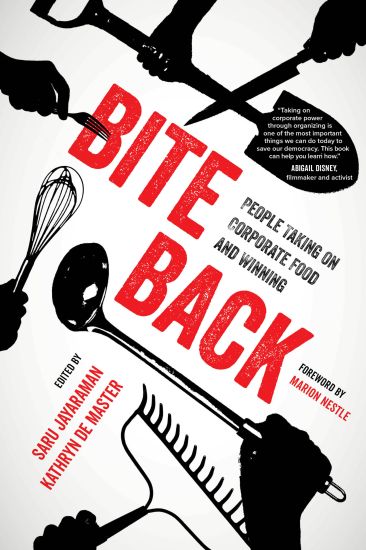
The food system is broken, but there is a revolution underway to fix it. Bite Back presents an urgent call to action and a vision for disrupting corporate power in the food system, a vision shared with countless organizers and advocates worldwide. In this provocative and inspiring new book, editors Saru Jayaraman and Kathryn De Master bring together leading experts and activists who are challenging corporate power by addressing injustices in our food system, from wage inequality to environmental destruction to corporate bullying.In paired chapters, authors present a problem arising from corporate control of the food system and then recount how an organizing campaign successfully tackled it. This unique solutions-oriented book allows readers to explore the core contemporary challenges embedded in our food system and learn how we can push back against corporate greed to benefit workers and consumers everywhere.
Bite Back

Bite Back

Marion Nestle

University of California Press
2020
pokkari
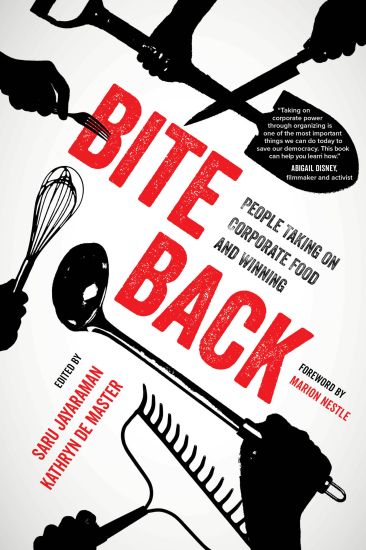
The food system is broken, but there is a revolution underway to fix it. Bite Back presents an urgent call to action and a vision for disrupting corporate power in the food system, a vision shared with countless organizers and advocates worldwide. In this provocative and inspiring new book, editors Saru Jayaraman and Kathryn De Master bring together leading experts and activists who are challenging corporate power by addressing injustices in our food system, from wage inequality to environmental destruction to corporate bullying.In paired chapters, authors present a problem arising from corporate control of the food system and then recount how an organizing campaign successfully tackled it. This unique solutions-oriented book allows readers to explore the core contemporary challenges embedded in our food system and learn how we can push back against corporate greed to benefit workers and consumers everywhere.
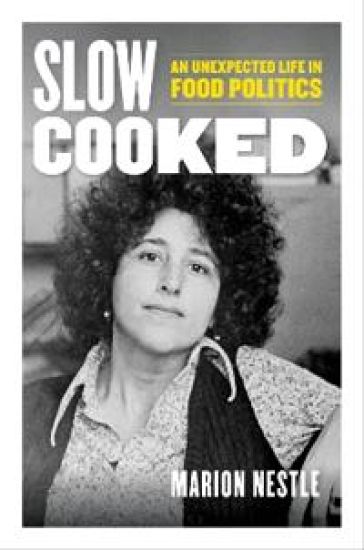
Slow Cooked

Slow Cooked

Marion Nestle

University of California Press
2022
sidottu
"A chronicle of hard work and a public health resource, Slow Cooked is also proof that it’s never too late."—New York Times?Marion Nestle reflects on her late-in-life career as a world-renowned food politics expert, public health advocate, and a founder of the field of food studies after facing decades of low expectations. In this engrossing memoir, Marion Nestle reflects on how she achieved late-in-life success as a leading advocate for healthier and more sustainable diets. Slow Cooked recounts of how she built an unparalleled career at a time when few women worked in the sciences, and how she came to recognize and reveal the enormous influence of the food industry on our dietary choices. By the time Nestle obtained her doctorate in molecular biology, she had been married since the age of nineteen, dropped out of college, worked as a lab technician, divorced, and become a stay-at-home mom with two children. That's when she got started. Slow Cooked charts her astonishing rise from bench scientist to the pinnacles of academia, as she overcame the barriers and biases facing women of her generation and found her life's purpose after age fifty. Slow Cooked tells her personal story—one that is deeply relevant to everyone who eats, and anyone who thinks it's too late to follow a passion.
What to Eat

What to Eat

Marion Nestle

North Point Press
2007
nidottu
Since its publication in hardcover last year, Marion Nestle’s What to Eat has become the definitive guide to making healthy and informed choices about food. Praised as “radiant with maxims to live by” in The New York Times Book Review and “accessible, reliable and comprehensive” in The Washington Post, What to Eat is an indispensable resource, packed with important information and useful advice from the acclaimed nutritionist who “has become to the food industry what . . . Ralph Nader [was] to the automobile industry” (St. Louis Post-Dispatch). How we choose which foods to eat is growing more complicated by the day, and the straightforward, practical approach of What to Eat has been praised as welcome relief. As Nestle takes us through each supermarket section—produce, dairy, meat, fish—she explains the issues, cutting through foodie jargon and complicated nutrition labels, and debunking the misleading health claims made by big food companies. With Nestle as our guide, we are shown how to make wise food choices—and are inspired to eat sensibly and nutritiously. Now in paperback, What to Eat is already a classic—“the perfect guidebook to help navigate through the confusion of which foods are good for us” (USA Today).
The Fish Counter (Picador Shorts)

The Fish Counter (Picador Shorts)

Marion Nestle

Picador USA
2025
nidottu
America's leading nutritionist teaches you how to navigate the fish counter. A standalone extract from the newly revised edition of her groundbreaking What to Eat (which is being reissued as What to Eat Now).Marion Nestle, America's preeminent nutritionist and the scholar widely credited with establishing the field of modern American food studies, takes us through every aspect of how we grow, market, shop for, store, label, and eat fish in America. With her trademark persistence and unerring eye for detail, Nestle pulls the curtain back on the complicated routes that fish have to go through to make it to our supermarket fish counter. What is the history of methylmercury contamination in our fish supplies? How have government agencies dealt with it in the past? How have they communicated its dangers to us, and how do they do that now? What should we consider when we think about food safety and fish? How healthy is fish, in fact? Marion Nestle answers these and many more questions at the heart of how we consume fish. These chapters are a master class for anyone looking to eat more sustainably, mindfully, and with a full awareness of the many complicated factors at play when you're standing at the fish counter trying to make a decision about what fish you ought to buy for your dinner. The Fish Counter is part of the Picador Shorts series "Oceans, Rivers, and Streams" in which excerpts from beloved classics speak to our relationship with our water bodies, great and small.
Practicing Food Studies

Practicing Food Studies

Marion Nestle

NEW YORK UNIVERSITY PRESS
2024
sidottu
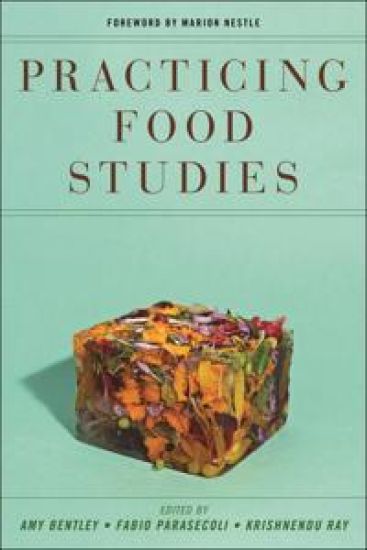
An introduction to the burgeoning field of food studies Popular and intellectual interest in food is on the rise. The breadth of concerns surrounding food ranges from animal welfare and climate change's impact on food production to debates on the healthfulness of carbohydrates and fats, and fair compensation for restaurant and farm workers. Not only is there an expanding conversation about the ways in which we produce and consume our food, but there is growing attention being placed on the myriad ways in which food expresses and shapes shifting identities. Practicing Food Studies details the turn of the twenty-first century development and flourishing of food studies as a multidisciplinary field, focusing on its establishment at New York University. Food studies scholars have come from various fields such as history, sociology, economics, political science, nutrition, or public policy, but often felt limited by the conventions of their traditional discipline. Many gravitated to food studies to be able to describe and critically examine their specific areas of interest beyond the borders of academic disciplines. This volume explores the history of knowledge in which NYU Food Studies emerged, providing the opportunity to reflect on how academic fields are created and evolve as a response to institutional constraints and opportunities, the landscape of ideas, social movements, and public conversations. Practicing Food Studies is a compelling collection of essays compiling the research, ideas, and experiences of faculty members and graduates of the NYU Food Studies program—mapping the paths for intellectual and social engagement with food systems and its most urgent issues.
Practicing Food Studies

Practicing Food Studies

Marion Nestle

NEW YORK UNIVERSITY PRESS
2024
pokkari
An introduction to the burgeoning field of food studies Popular and intellectual interest in food is on the rise. The breadth of concerns surrounding food ranges from animal welfare and climate change's impact on food production to debates on the healthfulness of carbohydrates and fats, and fair compensation for restaurant and farm workers. Not only is there an expanding conversation about the ways in which we produce and consume our food, but there is growing attention being placed on the myriad ways in which food expresses and shapes shifting identities. Practicing Food Studies details the turn of the twenty-first century development and flourishing of food studies as a multidisciplinary field, focusing on its establishment at New York University. Food studies scholars have come from various fields such as history, sociology, economics, political science, nutrition, or public policy, but often felt limited by the conventions of their traditional discipline. Many gravitated to food studies to be able to describe and critically examine their specific areas of interest beyond the borders of academic disciplines. This volume explores the history of knowledge in which NYU Food Studies emerged, providing the opportunity to reflect on how academic fields are created and evolve as a response to institutional constraints and opportunities, the landscape of ideas, social movements, and public conversations. Practicing Food Studies is a compelling collection of essays compiling the research, ideas, and experiences of faculty members and graduates of the NYU Food Studies program—mapping the paths for intellectual and social engagement with food systems and its most urgent issues.
Books That Cook

Books That Cook

Marion Nestle

New York University Press
2014
sidottu
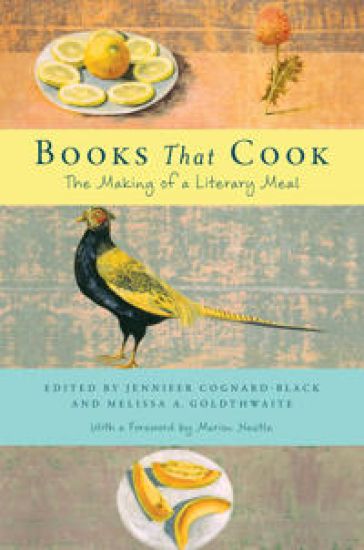
Whether a five-star chef or beginning home cook, any gourmand knows that recipes are far more than a set of instructions on how to make a dish. They are culture-keepers as well as culture-makers, both recording memories and fostering new ones. Organized like a cookbook, Books That Cook: The Making of a Literary Meal is a collection of American literature written on the theme of food: from an invocation to a final toast, from starters to desserts. All food literatures are indebted to the form and purpose of cookbooks, and each section begins with an excerpt from an influential American cookbook, progressing chronologically from the late 1700s through the present day, including such favorites as American Cookery, the Joy of Cooking, and Mastering the Art of French Cooking. The literary works within each section are an extension of these cookbooks, while the cookbook excerpts in turn become pieces of literature—forms of storytelling and memory-making all their own. Each section offers a delectable assortment of poetry, prose, and essays, and the selections all include at least one tempting recipe to entice readers to cook this book. Including writing from such notables as Maya Angelou, James Beard, Alice B. Toklas, Sherman Alexie, Nora Ephron, M.F.K. Fisher, and Alice Waters, among many others, Books That Cook reveals the range of ways authors incorporate recipes—whether the recipe flavors the story or the story serves to add spice to the recipe. Books That Cook is a collection to serve students and teachers of food studies as well as any epicure who enjoys a good meal alongside a good book.
Unsavory Truth

Unsavory Truth

Marion Nestle

Basic Books
2018
sidottu
Whenever we turn on the TV, flip a page in a magazine, or glance at a flyer in the grocery store, we are constantly bombarded with nutritional advice. Almond products can boost your memory! Milk helps build up your bones! Cereal is part of a doctor-approved balanced breakfast for growing girls and boys! Study after study tells us what we should eat, how much, and when. Words like "superfood" and "guilt free" convince us that we're making the right choice when we pluck an item off the shelf and head for the checkout line. We count on nutrition science to guide us through the overwhelming choices in our local grocery store and helps us make the best decisions for our health.Except it often doesn't. Many of these studies we rely on to make decisions are not funded by unbiased third parties-they're actually funded by companies seeking to buoy their own products. As renowned food expert Marion Nestle reveals in Unsavory Truth, most nutrition societies, committees, and departments are actually in the food industry's pocket. Whether it's a study claiming moderate exercise is enough to cancel out the calories in sugary sodas (backed by Coca-Cola) or a report about how blueberries can reduce the risk of erectile dysfunction (backed by the US Highbush Blueberry Council), the food industry has learned how to turn selective disclosure and partisan probes into major profit. Like Big Pharma has corrupted medical science, so Big Food has corrupted nutrition. In a nation where more than two-thirds of adults and one-third of children are considered overweight or obese, it's never been more important to put our public health first. With stricter legislation for food companies and researchers, stricter policies for societies and journals, and better consumer education, Nestle argues that we have a fighting chance to get our country's nutrition back on track.With riveting prose and unmatched investigative rigor, Unsavory Truth reveals how big food companies took over nutrition science-and how we can take it back.
Eat Drink Vote

Eat Drink Vote

Marion Nestle

Rodale Books
2013
pokkari
What's wrong with the US food system? Why is half the world starving while the other half battles obesity? Who decides our food issues, and why can't we do better with labeling, safety, or school food? These are complex questions that are hard to answer in an engaging way for a broad audience. But everybody eats, and food politics affects us all. Marion Nestle, whom Michael Pollan ranked as the #2 most powerful foodie in America (after Michelle Obama) in Forbes, has always used cartoons in her public presentations to communicate how politics-shaped by government, corporate marketing, economics, and geography-influences food choice. Cartoons do more than entertain; the best get right to the core of complicated concepts and powerfully convey what might otherwise take pages to explain. In Eat Drink Vote, Nestle teams up with The Cartoonist Group syndicate to present more than 250 of her favorite cartoons on issues ranging from dietary advice to genetic engineering to childhood obesity. Using the cartoons as illustration and commentary, she engagingly summarizes some of today's most pressing issues in food politics. While encouraging readers to vote with their forks for healthier diets, this book insists that it's also necessary to vote with votes to make it easier for everyone to make healthier dietary choices.
Soda Politics

Soda Politics

Marion Nestle; Mark Bittman; Neal Baer

Oxford University Press Inc
2015
sidottu
Sodas are astonishing products. Little more than flavored sugar-water, these drinks cost practically nothing to produce or buy, yet have turned their makers - principally Coca-Cola and PepsiCo - into multibillion dollar industries with global recognition, distribution, and political power. So how did something so cheap come to mean so much and to have such devastating health and food policy consequences? Soda Politics is a story of the American food system at work, written by the incomparable NYU scholar and public health champion Marion Nestle. It is the first book to focus on the history, politics, nutrition, and health impact of soda, asking how we created this system, what its problems are, and what we can do to change things. Coke and Pepsi spend billions of dollars a year on advertising and lobbying to prevent any measures to limit soda, a product billed as "refreshing," "tasty," "crisp," and "the real thing" that also happens to be a major cause of health problems, from obesity to Type II diabetes. They target minorities, poor people, and children, and are involved in land and water grabs in underdeveloped countries, where they also have redoubled their efforts at building their market share. In fact, the marketing practices of soda companies are eerily similar to that of cigarette companies - both try to sell as much as possible, regardless of the health consequences, in any way that they can. And the public is starting to scrutinize sugary sodas in the same way that they do cigarettes. Soda consumption is falling, and Americans are only partially replacing soda with other sugary drinks. This did not happen accidentally: the fall in soda sales is a result of successful food advocacy. Soda Politics provides the overwhelming evidence to keep up pressure on all those involved in the production, marketing, sales, and subsidization of soda.
Food and Everyday Life in the Postsocialist World

Food and Everyday Life in the Postsocialist World

Marion Nestle; Elizabeth Cullen Dunn

Indiana University Press
2009
pokkari
Across the Soviet Union and eastern Europe during the socialist period, food emerged as a symbol of both the successes and failures of socialist ideals of progress, equality, and modernity. By the late 1980s, the arrival of McDonald's behind the Iron Curtain epitomized the changes that swept across the socialist world. Not quite two decades later, the effects of these arrivals were evident in the spread of foreign food corporations and their integration into local communities. This book explores the role played by food—as commodity, symbol, and sustenance—in the transformation of life in Russia and eastern Europe since the end of socialism. Changes in food production systems, consumption patterns, food safety, and ideas about health, well-being, nationalism, and history provide useful perspectives on the meaning of the postsocialist transition for those who lived through it.
Food Politics

Food Politics

Marion Nestle; Michael Pollan

University of California Press
2013
pokkari
We all witness, in advertising and on supermarket shelves, the fierce competition for our food dollars. In this engrossing expose, Marion Nestle goes behind the scenes to reveal how the competition really works and how it affects our health. The abundance of food in the United States - enough calories to meet the needs of every man, woman, and child twice over - has a downside. Our over-efficient food industry must do everything possible to persuade people to eat more - more food, more often, and in larger portions - no matter what it does to waistlines or well-being. Like manufacturing cigarettes or building weapons, making food is big business. Food companies in 2000 generated nearly $900 billion in sales. They have stakeholders to please, shareholders to satisfy, and government regulations to deal with. It is nevertheless shocking to learn precisely how food companies lobby officials, co-opt experts, and expand sales by marketing to children, members of minority groups, and people in developing countries. We learn that the food industry plays politics as well as or better than other industries, not least because so much of its activity takes place outside the public view. Editor of the 1988 "Surgeon General's Report on Nutrition and Health", Nestle is uniquely qualified to lead us through the maze of food industry interests and influences. She vividly illustrates food politics in action: watered-down government dietary advice, schools pushing soft drinks, diet supplements promoted as if they were First Amendment rights. When it comes to the mass production and consumption of food, strategic decisions are driven by economics - not science, not common sense, and certainly not health. No wonder most of us are thoroughly confused about what to eat to stay healthy. An accessible and balanced account, "Food Politics" will forever change the way we respond to food industry marketing practices. By explaining how much the food industry influences government nutrition policies and how cleverly it links its interests to those of nutrition experts, this path-breaking book helps us understand more clearly than ever before what we eat and why.
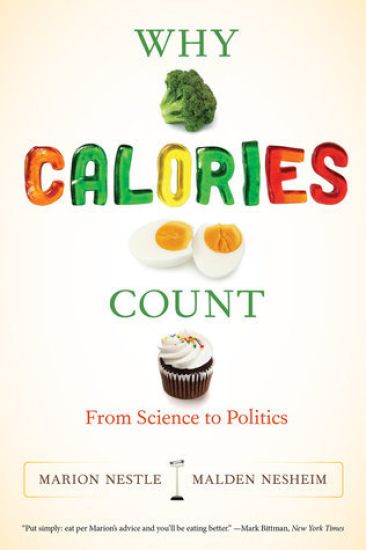
Why Calories Count

Why Calories Count

Marion Nestle; Malden Nesheim

University of California Press
2013
pokkari
Calories - too few or too many - are the source of health problems affecting billions of people in today's globalized world. Although calories are essential to human health and survival, they cannot be seen, smelled, or tasted. They are also hard to understand. In Why Calories Count, Marion Nestle and Malden Nesheim explain in clear and accessible language what calories are and how they work, both biologically and politically. As they take readers through the issues that are fundamental to our understanding of diet and food, weight gain, loss, and obesity, Nestle and Nesheim sort through a great deal of the misinformation put forth by food manufacturers and diet program promoters. They elucidate the political stakes and show how federal and corporate policies have come together to create an "eat more" environment. Finally, having armed readers with the necessary information to interpret food labels, evaluate diet claims, and understand evidence as presented in popular media, the authors offer some candid advice: get organized; eat less; eat better; move more; and get political.