Kirjojen hintavertailu. Mukana 11 244 527 kirjaa ja 12 kauppaa.

Kirjahaku

Etsi kirjoja tekijän nimen, kirjan nimen tai ISBN:n perusteella.

13 kirjaa tekijältä Mark Anthony Neal

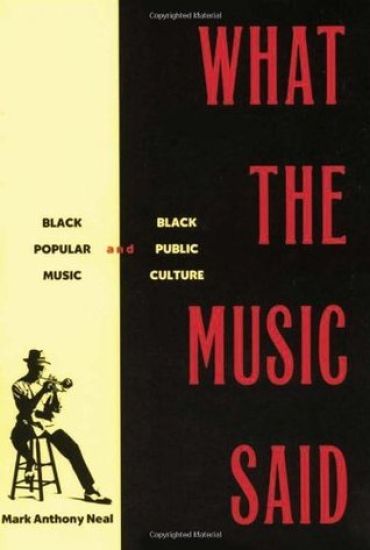
What the Music Said

What the Music Said

Mark Anthony Neal

Routledge
1998
sidottu
First Published in 1999. In What the Music Said, Mark Anthony Neal provides a timely study of from be-bop to Hip Hop. This book looks at the last fifty years of black popular music and provides an intriguing portrait of the existential and social forces that drove black communities to make music in protest, reaction and to fulfil their material and spiritual needs.
What the Music Said

What the Music Said

Mark Anthony Neal

Routledge
1998
nidottu
First Published in 1999. In What the Music Said, Mark Anthony Neal provides a timely study of from be-bop to Hip Hop. This book looks at the last fifty years of black popular music and provides an intriguing portrait of the existential and social forces that drove black communities to make music in protest, reaction and to fulfil their material and spiritual needs.
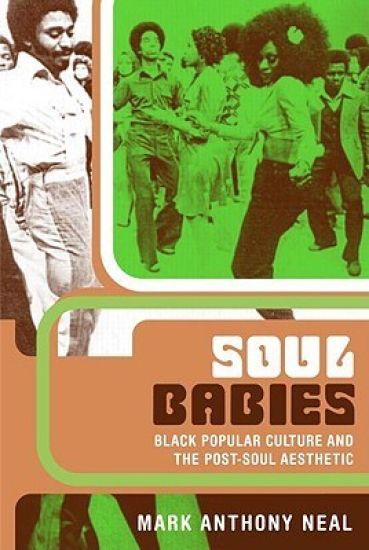
Soul Babies

Soul Babies

Mark Anthony Neal

Routledge
2001
sidottu
In Soul Babies, Mark Anthony Neal explains the complexities and contradictions of black life and culture after the end of the Civil Rights era. He traces the emergence of what he calls a "post-soul aesthetic," a transformation of values that marked a profound change in African American thought and experience. Lively and provocative, Soul Babies offers a valuable new way of thinking about black popular culture and the legacy of the sixties.
Soul Babies

Soul Babies

Mark Anthony Neal

Routledge
2001
nidottu
In Soul Babies, Mark Anthony Neal explains the complexities and contradictions of black life and culture after the end of the Civil Rights era. He traces the emergence of what he calls a "post-soul aesthetic," a transformation of values that marked a profound change in African American thought and experience. Lively and provocative, Soul Babies offers a valuable new way of thinking about black popular culture and the legacy of the sixties.
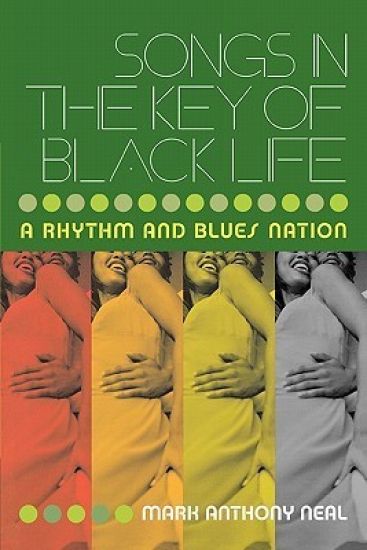
Songs in the Key of Black Life

Songs in the Key of Black Life

Mark Anthony Neal

Routledge
2003
sidottu
In Songs in the Key of Black Life, acclaimed cultural critic Mark Anthony Neal turns his attention to Rhythm and Blues. He argues that R&B-often dismissed as just a bunch of love songs, yet the second most popular genre in terms of sales-can tell us much about the dynamic joys, apprehensions, tensions, and contradictions of contemporary black life, if we listen closely. With a voice as heartfelt and compelling as the best music, Neal guides us through the work of classic and contemporary artists ranging from Marvin Gaye to Macy Gray. In the first section of the book, Rhythm, he uses the music of Meshell N'degeocello, Patti Labelle, Jill Scott, Alicia Keys, and others as guideposts to the major concerns of contemporary black life-issues such as gender, feminist politics, political activism, black masculinity, celebrity, and the fluidity of racial and sexual identity. The second part of the book, Blues, uses the improvisational rhythms of black music as a metaphor to examine currents in black life including the public dispute between Cornel West and Harvard President Lawrence Summers and the firing of BET's talk-show host Tavis Smiley. Songs in the Key of Black Life is a remarkable contribution to the study of black popular music, and valuable reading for anyone interested in how race is lived in America.
Songs in the Key of Black Life

Songs in the Key of Black Life

Mark Anthony Neal

Routledge
2003
nidottu
In Songs in the Key of Black Life, acclaimed cultural critic Mark Anthony Neal turns his attention to Rhythm and Blues. He argues that R&B-often dismissed as just a bunch of love songs, yet the second most popular genre in terms of sales-can tell us much about the dynamic joys, apprehensions, tensions, and contradictions of contemporary black life, if we listen closely. With a voice as heartfelt and compelling as the best music, Neal guides us through the work of classic and contemporary artists ranging from Marvin Gaye to Macy Gray. In the first section of the book, Rhythm, he uses the music of Meshell N'degeocello, Patti Labelle, Jill Scott, Alicia Keys, and others as guideposts to the major concerns of contemporary black life-issues such as gender, feminist politics, political activism, black masculinity, celebrity, and the fluidity of racial and sexual identity. The second part of the book, Blues, uses the improvisational rhythms of black music as a metaphor to examine currents in black life including the public dispute between Cornel West and Harvard President Lawrence Summers and the firing of BET's talk-show host Tavis Smiley. Songs in the Key of Black Life is a remarkable contribution to the study of black popular music, and valuable reading for anyone interested in how race is lived in America.
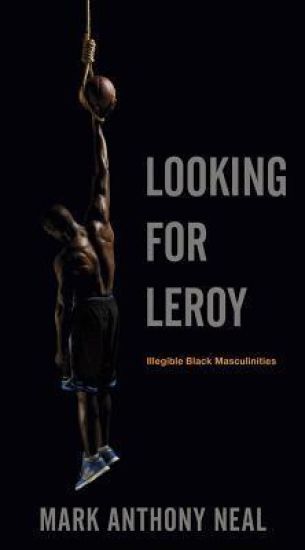
Looking for Leroy

Looking for Leroy

Mark Anthony Neal

New York University Press
2013
sidottu
Mark Anthony Neal's Looking for Leroy is an engaging and provocative analysis of the complex ways in which black masculinity has been read and misread through contemporary American popular culture. Neal argues that black men and boys are bound, in profound ways, to and by their legibility. The most "legible" black male bodies are often rendered as criminal, bodies in need of policing and containment. Ironically, Neal argues, this sort of legibility brings welcome relief to white America, providing easily identifiable images of black men in an era defined by shifts in racial, sexual, and gendered identities. Neal highlights the radical potential of rendering legible black male bodies—those bodies that are all too real for us—as illegible, while simultaneously rendering illegible black male bodies—those versions of black masculinity that we can't believe are real—as legible. In examining figures such as hip-hop entrepreneur and artist Jay-Z, R&B Svengali R. Kelly, the late vocalist Luther Vandross, and characters from the hit HBO series The Wire, among others, Neal demonstrates how distinct representations of black masculinity can break the links in the public imagination that create antagonism toward black men. Looking for Leroy features close readings of contemporary black masculinity and popular culture, highlighting both the complexity and accessibility of black men and boys through visual and sonic cues within American culture, media, and public policy. By rendering legible the illegible, Neal maps the range of identifications and anxieties that have marked the performance and reception of post-Civil Rights era African American masculinity.
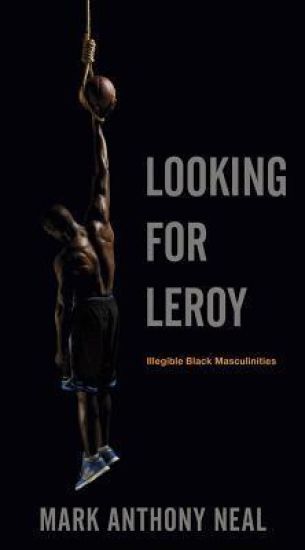
Looking for Leroy

Looking for Leroy

Mark Anthony Neal

New York University Press
2013
pokkari
Mark Anthony Neal's Looking for Leroy is an engaging and provocative analysis of the complex ways in which black masculinity has been read and misread through contemporary American popular culture. Neal argues that black men and boys are bound, in profound ways, to and by their legibility. The most "legible" black male bodies are often rendered as criminal, bodies in need of policing and containment. Ironically, Neal argues, this sort of legibility brings welcome relief to white America, providing easily identifiable images of black men in an era defined by shifts in racial, sexual, and gendered identities. Neal highlights the radical potential of rendering legible black male bodies—those bodies that are all too real for us—as illegible, while simultaneously rendering illegible black male bodies—those versions of black masculinity that we can't believe are real—as legible. In examining figures such as hip-hop entrepreneur and artist Jay-Z, R&B Svengali R. Kelly, the late vocalist Luther Vandross, and characters from the hit HBO series The Wire, among others, Neal demonstrates how distinct representations of black masculinity can break the links in the public imagination that create antagonism toward black men. Looking for Leroy features close readings of contemporary black masculinity and popular culture, highlighting both the complexity and accessibility of black men and boys through visual and sonic cues within American culture, media, and public policy. By rendering legible the illegible, Neal maps the range of identifications and anxieties that have marked the performance and reception of post-Civil Rights era African American masculinity.
New Black Man

New Black Man

Mark Anthony Neal

Routledge
2015
sidottu
Ten years ago, Mark Anthony Neal’s New Black Man put forth a revolutionary model of Black masculinity for the twenty-first century—one that moved beyond patriarchy to embrace feminism and combat homophobia. Now, Neal’s book is more vital than ever, urging us to imagine a New Black Man whose strength resides in family, community, and diversity. Part memoir, part manifesto, this book celebrates the Black man of our times in all his vibrancy and virility. The tenth anniversary edition of this classic text includes a new foreword by Joan Morgan and a new introduction and postscript from Neal, which bring the issues in the book up to the present day.
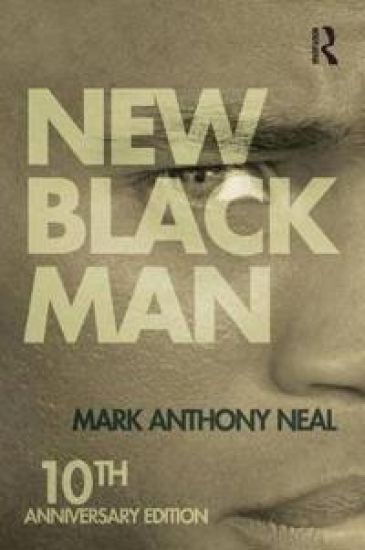
New Black Man

New Black Man

Mark Anthony Neal

Routledge
2015
nidottu
Ten years ago, Mark Anthony Neal’s New Black Man put forth a revolutionary model of Black masculinity for the twenty-first century—one that moved beyond patriarchy to embrace feminism and combat homophobia. Now, Neal’s book is more vital than ever, urging us to imagine a New Black Man whose strength resides in family, community, and diversity. Part memoir, part manifesto, this book celebrates the Black man of our times in all his vibrancy and virility. The tenth anniversary edition of this classic text includes a new foreword by Joan Morgan and a new introduction and postscript from Neal, which bring the issues in the book up to the present day.
Black Ephemera

Black Ephemera

Mark Anthony Neal

NEW YORK UNIVERSITY PRESS
2022
sidottu
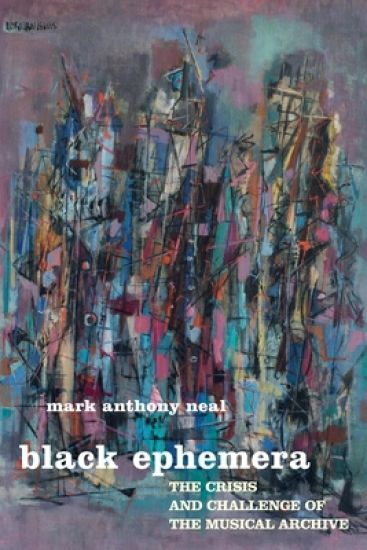
PROSE Award- Music and Performing Arts Category Winner A framework for understanding the deep archive of Black performance in the digital era In an era of Big Data and algorithms, our easy access to the archive of contemporary and historical Blackness is unprecedented. That iterations of Black visual art, such as Bert Williams’s 1916 silent film short “A Natural Born Gambler” or the performances of Josephine Baker from the 1920s, are merely a quick YouTube search away has transformed how scholars teach and research Black performance. While Black Ephemera celebrates this new access, it also questions the crisis and the challenge of the Black musical archive in a moment when Black American culture has become a global export. Using music and sound as its primary texts, Black Ephemera argues that the cultural DNA of Black America has become obscured in the transformation from analog to digital. Through a cross-reading of the relationship between the digital era and culture produced in the pre-digital era, Neal argues that Black music has itself been reduced to ephemera, at best, and at worst to the background sounds of the continued exploitation and commodification of Black culture. The crisis and challenges of Black archives are not simply questions of knowledge, but of how knowledge moves and manifests itself within Blackness that is obscure, ephemeral, fugitive, precarious, fluid, and increasingly digital. Black Ephemera is a reminder that for every great leap forward there is a necessary return to the archive. Through this work, Neal offers a new framework for thinking about Black culture in the digital world.
Black Ephemera

Black Ephemera

Mark Anthony Neal

NEW YORK UNIVERSITY PRESS
2022
pokkari
PROSE Award- Music and Performing Arts Category Winner A framework for understanding the deep archive of Black performance in the digital era In an era of Big Data and algorithms, our easy access to the archive of contemporary and historical Blackness is unprecedented. That iterations of Black visual art, such as Bert Williams’s 1916 silent film short “A Natural Born Gambler” or the performances of Josephine Baker from the 1920s, are merely a quick YouTube search away has transformed how scholars teach and research Black performance. While Black Ephemera celebrates this new access, it also questions the crisis and the challenge of the Black musical archive in a moment when Black American culture has become a global export. Using music and sound as its primary texts, Black Ephemera argues that the cultural DNA of Black America has become obscured in the transformation from analog to digital. Through a cross-reading of the relationship between the digital era and culture produced in the pre-digital era, Neal argues that Black music has itself been reduced to ephemera, at best, and at worst to the background sounds of the continued exploitation and commodification of Black culture. The crisis and challenges of Black archives are not simply questions of knowledge, but of how knowledge moves and manifests itself within Blackness that is obscure, ephemeral, fugitive, precarious, fluid, and increasingly digital. Black Ephemera is a reminder that for every great leap forward there is a necessary return to the archive. Through this work, Neal offers a new framework for thinking about Black culture in the digital world.
Save a Seat for Me: Notes on American Fatherhood
From the preeminent scholar on Black masculinity in America, Save a Seat for Me is Mark Anthony Neal's attempt to bring his scholarship on fatherhood to a broader audience. Save a Seat for Me embraces the nuances of how contemporary frameworks of masculinity informed by unprecedented advances in women and LGBTQ communities have necessitated a reimagining of the societal expectations a father plays in the public and private sectors of their homes. The soul of this book centers on Neal's confrontation of the various political, cultural, historical narratives and messages that inform the role of Black fatherhood, and fatherhood at large, which has put him at odds with the way he fathers his own children. Raised by a working class father, during a time when American society conceived of the role of father as protector, provider, and disciplinarian, Neal struggles with these expectations as his education (a doctorate's degree), profession (tenured professor at one of the best colleges in the country), and financial position (making more money than his father ever did) are drastically different than that of his father. Linking his father to his own fathering of his two daughters, Neal grounds his intellectual arguments about Black fatherhood in experience and emotion makes for a vulnerable read, as well as a transformative one. In our culture, the public performance of fatherhood keeps us from wondering what the practice of being a father looks like in private. Neal is opening a long overdue door to the interiority that Black men particularly--and men living in a patriarchal society generally--have only learned existed in the last twenty years.