Kirjojen hintavertailu. Mukana 11 342 296 kirjaa ja 12 kauppaa.

Kirjahaku

Etsi kirjoja tekijän nimen, kirjan nimen tai ISBN:n perusteella.

3 kirjaa tekijältä Mark B. Sandberg

Living Pictures, Missing Persons

Living Pictures, Missing Persons

Mark B. Sandberg

Princeton University Press
2002
pokkari
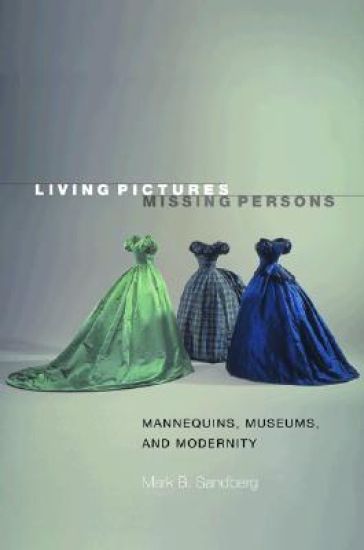
In the late nineteenth century, Scandinavian urban dwellers developed a passion for a new, utterly modern sort of visual spectacle: objects and effigies brought to life in astonishingly detailed, realistic scenes. The period 1880-1910 was the popular high point of mannequin display in Europe. Living Pictures, Missing Persons explores this phenomenon as it unfolded with the rise of wax museums and folk museums in the largest cities of Denmark, Sweden, and Norway. Mark Sandberg asks: Why did modernity generate a cultural fascination with the idea of effigy? He shows that the idea of effigy is also a portal to understanding other aspects of visual entertainment in that period, including the widespread interest in illusionistic scenes and tableaux, in the "portability" of sights, spaces, and entire milieus. Sandberg investigates this transformation of visual culture outside the usual test cases of the largest European metropolises. He argues that Scandinavian spectators desired an unusual degree of authenticity--a cultural preference for naturalism that made its way beyond theater to popular forms of museum display. The Scandinavian wax museums and folk-ethnographic displays of the era helped pre-cinematic spectators work out the social implications of both voyeuristic and immersive display techniques. This careful study thus anticipates some of the central paradoxes of twentieth-century visual culture--but in a time when the mannequin and the physical relic reigned supreme, and in a place where the contrast between tradition and modernity was a high-stakes game.
Ibsen's Houses

Ibsen's Houses

Mark B. Sandberg

Cambridge University Press
2015
sidottu
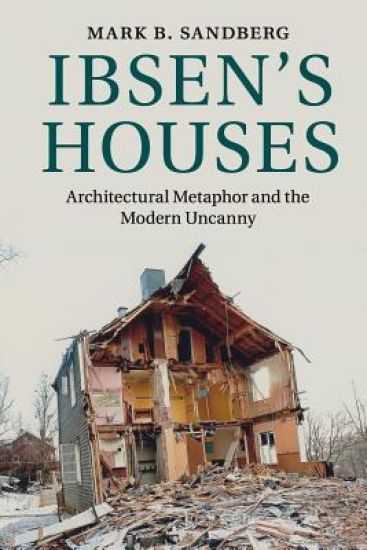
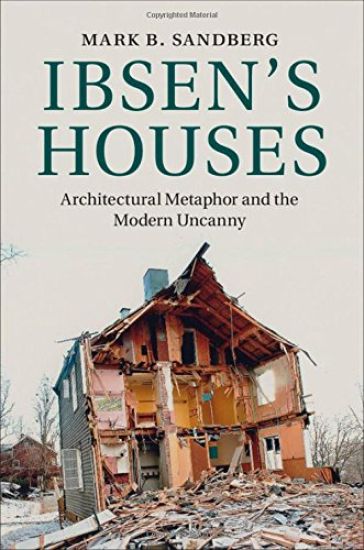
Henrik Ibsen's plays came at a pivotal moment in late nineteenth-century European modernity. They engaged his public through a strategic use of metaphors of house and home, which resonated with experiences of displacement, philosophical homelessness, and exile. The most famous of these metaphors - embodied by the titles of his plays A Doll's House, Pillars of Society, and The Master Builder - have entered into mainstream Western thought in ways that mask the full force of the reversals Ibsen performed on notions of architectural space. Analyzing literary and performance-related reception materials from Ibsen's lifetime, Mark B. Sandberg concentrates on the interior dramas of the playwright's prose-play cycle, drawing also on his selected poems. Sandberg's close readings of texts and cultural commentary present the immediate context of the plays, provide new perspectives on them for international readers, and reveal how Ibsen became a master of the modern uncanny.
Ibsen's Houses

Ibsen's Houses

Mark B. Sandberg

Cambridge University Press
2018
pokkari
Henrik Ibsen's plays came at a pivotal moment in late nineteenth-century European modernity. They engaged his public through a strategic use of metaphors of house and home, which resonated with experiences of displacement, philosophical homelessness, and exile. The most famous of these metaphors - embodied by the titles of his plays A Doll's House, Pillars of Society, and The Master Builder - have entered into mainstream Western thought in ways that mask the full force of the reversals Ibsen performed on notions of architectural space. Analyzing literary and performance-related reception materials from Ibsen's lifetime, Mark B. Sandberg concentrates on the interior dramas of the playwright's prose-play cycle, drawing also on his selected poems. Sandberg's close readings of texts and cultural commentary present the immediate context of the plays, provide new perspectives on them for international readers, and reveal how Ibsen became a master of the modern uncanny.