Kirjojen hintavertailu. Mukana 11 699 587 kirjaa ja 12 kauppaa.

Kirjahaku

Etsi kirjoja tekijän nimen, kirjan nimen tai ISBN:n perusteella.

7 kirjaa tekijältä Mark L. Haas

The Geriatric Peace

The Geriatric Peace

Mark L. Haas

OXFORD UNIVERSITY PRESS INC
2025
sidottu
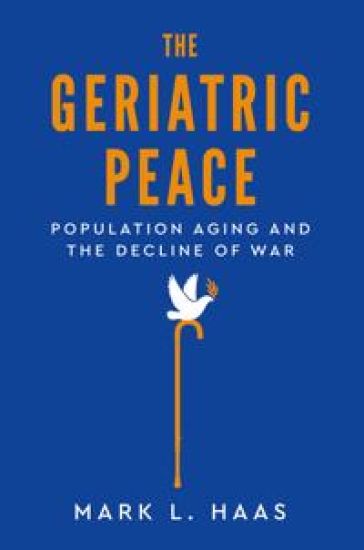
The vast majority of the world's countries are experiencing a demographic revolution: dramatic, sustained, and likely irreversible population aging. States' median ages are steadily increasing as the number of people ages 65 and older skyrockets. Analysts and policymakers frequently decry population aging's domestic costs, especially likely slowing economic growth and massive new public expenditures for elderly welfare. But aging has a major yet largely unrecognised international benefit: it significantly reduces the likelihood of international war. Although wars continue to rage in parts of the world, almost none involve aged countries. This book provides a comprehensive and groundbreaking argument why population aging will be a powerful force for peace. Aging will significantly reduce states' military capabilities available for war while also boosting leaders’ and citizens' preferences for peaceful foreign policies. At the same time, the effects of aging will help prevent the emergence of a power transition between the United States and China, which would be a development that is particularly likely to devolve into armed hostilities. If an aged country does initiate war, the effects of aging will create major barriers to military success. The more aging reduces the probability of victory, the greater the disincentives to aggressing. Detailed case studies show how aging has affected the capabilities and preferences in Japan, China, the United States, and Russia.
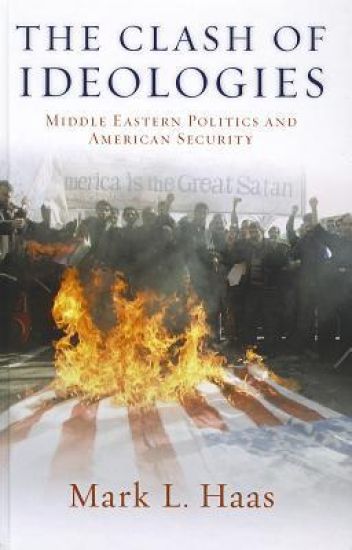
The Clash of Ideologies

The Clash of Ideologies

Mark L. Haas

Oxford University Press Inc
2012
sidottu
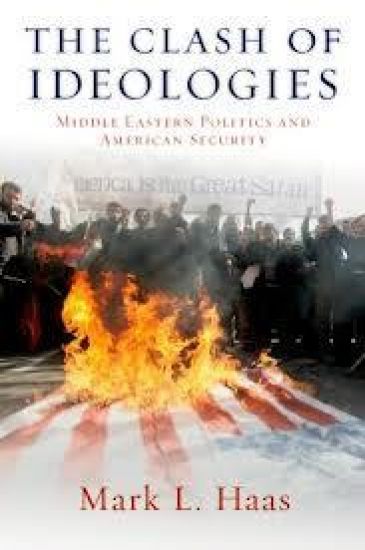
How do ideologies shape international relations in general and Middle Eastern countries' relations with the United States in particular? The Clash of Ideologies by Mark L. Haas explores this critical question. Haas argues that leaders' ideological beliefs are likely to have profound effects on these individuals' perceptions of international threats. These threat perceptions, in turn, shape leaders' core security policies, including choices of allies and enemies and efforts to spread their ideological principles abroad as a key means of advancing their interests. Two variables are particularly important in this process: the degree of ideological differences dividing different groups of decision makers ( "ideological distance "), and the number of prominent ideologies that are present in a particular system ( "ideological polarity "). The argument is tested in four case studies of states' foreign policies, primarily since the end of the Cold War: Iran, Saudi Arabia, Syria, and Turkey. As the argument predicts, ideological differences in these cases were a key cause of international conflict and ideological similarities a source of cooperation. Moreover, different ideological groups in the same country at the same time often possessed very different understandings of their threat environments, and thus very different foreign policy preferences. These are findings that other prominent international relations theories, particularly realism, cannot explain. Clash of Ideologies goes beyond advancing theoretical debates in the international relations literature. It also aims to provide policy guidance on key international security issues. These prescriptions are designed to advance America's interests in the Middle East in particular, namely how U.S. leaders should best respond to the ideological dynamics that exist in the region.
The Clash of Ideologies

The Clash of Ideologies

Mark L. Haas

Oxford University Press Inc
2012
nidottu
How do ideologies shape international relations in general and Middle Eastern countries' relations with the United States in particular? The Clash of Ideologies by Mark L. Haas explores this critical question. Haas argues that leaders' ideological beliefs are likely to have profound effects on these individuals' perceptions of international threats. These threat perceptions, in turn, shape leaders' core security policies, including choices of allies and enemies and efforts to spread their ideological principles abroad as a key means of advancing their interests. Two variables are particularly important in this process: the degree of ideological differences dividing different groups of decision makers ( "ideological distance "), and the number of prominent ideologies that are present in a particular system ( "ideological polarity "). The argument is tested in four case studies of states' foreign policies, primarily since the end of the Cold War: Iran, Saudi Arabia, Syria, and Turkey. As the argument predicts, ideological differences in these cases were a key cause of international conflict and ideological similarities a source of cooperation. Moreover, different ideological groups in the same country at the same time often possessed very different understandings of their threat environments, and thus very different foreign policy preferences. These are findings that other prominent international relations theories, particularly realism, cannot explain. Clash of Ideologies goes beyond advancing theoretical debates in the international relations literature. It also aims to provide policy guidance on key international security issues. These prescriptions are designed to advance America's interests in the Middle East in particular, namely how U.S. leaders should best respond to the ideological dynamics that exist in the region.
The United States and the Arab Spring
In this Westview Press Spotlight, Mark L. Haas explores the major political consequences of the Arab Spring protests in North Africa and the Middle East as well as how and why US leaders responded to these developments. A detailed examination of the threats and opportunities to US interests created by the uprisings are prominent in the analysis
The Ideological Origins of Great Power Politics, 1789–1989
How do leaders perceive threat levels in world politics, and what effects do those perceptions have on policy choices? Mark L. Haas focuses on how ideology shapes perception. He does not delineate the content of particular ideologies, but rather the degree of difference among them. Degree of ideological difference is, he believes, the crucial factor as leaders decide which nations threaten and which bolster their state's security and their own domestic power. These threat perceptions will in turn impel leaders to make particular foreign-policy choices. Haas examines great-power relations in five periods: the 1790s in Europe, the Concert of Europe (1815–1848), the 1930s in Europe, Sino-Soviet relations from 1949 to 1960, and the end of the Cold War. In each case he finds a clear relationship between the degree of ideological differences that divided state leaders and those leaders' perceptions of threat level (and so of appropriate foreign-policy choices). These relationships held in most cases, regardless of the nature of the ideologies in question, the offense-defense balance, and changes in the international distribution of power.
The Ideological Origins of Great Power Politics, 1789–1989
How do leaders perceive threat levels in world politics, and what effects do those perceptions have on policy choices? Mark L. Haas focuses on how ideology shapes perception. He does not delineate the content of particular ideologies, but rather the degree of difference among them. Degree of ideological difference is, he believes, the crucial factor as leaders decide which nations threaten and which bolster their state's security and their own domestic power. These threat perceptions will in turn impel leaders to make particular foreign-policy choices. Haas examines great-power relations in five periods: the 1790s in Europe, the Concert of Europe (1815–1848), the 1930s in Europe, Sino-Soviet relations from 1949 to 1960, and the end of the Cold War. In each case he finds a clear relationship between the degree of ideological differences that divided state leaders and those leaders' perceptions of threat level (and so of appropriate foreign-policy choices). These relationships held in most cases, regardless of the nature of the ideologies in question, the offense-defense balance, and changes in the international distribution of power.
Frenemies

Frenemies

Mark L. Haas

Cornell University Press
2022
sidottu
In Frenemies Mark L. Haas addresses policy-guiding puzzles such as: Why do international ideological enemies sometimes overcome their differences and ally against shared threats? Why, just as often, do such alliances fail? Alliances among ideological enemies confronting a common foe, or "frenemy" alliances, are unlike coalitions among ideologically-similar states facing comparable threats. Members of frenemy alliances are perpetually torn by two powerful opposing forces. Haas shows that shared material threats push these states together while ideological differences pull them apart. Each of these competing forces has dominated the other at critical times. This difference has resulted in stable alliances among ideological enemies in some cases but the delay, dissolution, or failure of these alliances in others. Haas examines how states' susceptibility to major domestic ideological changes and the nature of the ideological differences among countries provide the key to alliance formation or failure. This sophisticated framework is applied to a diverse range of critical historical and contemporary cases, from the failure of British and French leaders to ally with the Soviet Union against Nazi Germany in the 1930s to the likely evolution of the United States' alliance system against a rising China in the early 21st century. In Frenemies, Haas develops a groundbreaking argument that explains the origins and durability of alliances among ideological enemies and offers policy-guiding perspectives on a subject at the core of international relations.