Kirjojen hintavertailu. Mukana 11 717 486 kirjaa ja 12 kauppaa.

Kirjahaku

Etsi kirjoja tekijän nimen, kirjan nimen tai ISBN:n perusteella.

5 kirjaa tekijältä Mark R. Beissinger

Nationalist Mobilization and the Collapse of the Soviet State

Nationalist Mobilization and the Collapse of the Soviet State

Mark R. Beissinger

Cambridge University Press
2002
pokkari
This 2002 study examines the process by which the seemingly impossible in 1987 - the disintegration of the Soviet state - became the seemingly inevitable by 1991, providing an original interpretation not only of the Soviet collapse, but also of the phenomenon of nationalism more generally. Probing the role of nationalist action as both cause and effect, Beissinger utilizes data and case studies from across the USSR during its final years to elicit the shifting relationship between pre-existing structural conditions, institutional constraints, and event-generated influences in the nationalist explosions that brought about the collapse of the Soviet Union. As Beissinger demonstrates, the 'tidal' context of nationalism - i.e., the transnational influence of one nationalism upon another - is critical to an explanation of the success and failure of particular nationalisms, why some nationalisms turn violent, and how a crescendo of events can overwhelm states, periodically evoking large-scale structural change in the character of the state system.
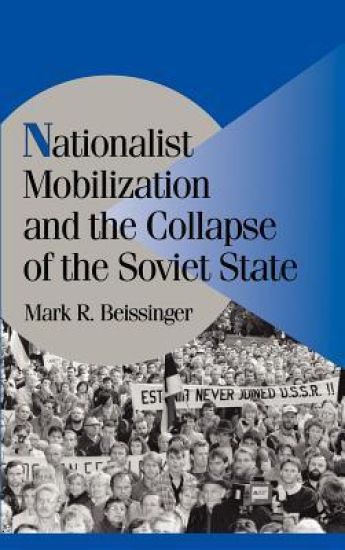
Nationalist Mobilization and the Collapse of the Soviet State

Nationalist Mobilization and the Collapse of the Soviet State

Mark R. Beissinger

Cambridge University Press
2002
sidottu
This study examines the process by which the seemingly impossible in 1987 - the disintegration of the Soviet state - became the seemingly inevitable by 1991, providing an original interpretation not only of the Soviet collapse, but also of the phenomenon of nationalism more generally. Probing the role of nationalist action as both cause and effect, Beissinger utilizes data and case studies from across the USSR during its final years to elicit the shifting relationship between pre-existing structural conditions, institutional constraints, and event-generated influences in the nationalist explosions that brought about the collapse of the Soviet Union. As Beissinger demonstrates, the ‘tidal’ context of nationalism - i.e., the transnational influence of one nationalism upon another - is critical to an explanation of the success and failure of particular nationalisms, why some nationalisms turn violent, and how a crescendo of events can overwhelm states, periodically evoking large-scale structural change in the character of the state system.

Scientific Management, Socialist Discipline, and Soviet Power

Scientific Management, Socialist Discipline, and Soviet Power

Mark R. Beissinger

HARVARD UNIVERSITY PRESS
1988
sidottu
How does the excessive bureaucratization of central planning affect politics in communist countries? Mark Beissinger suggests an answer through this history of the Soviet Scientific Management movement and its contemporary descendants, raising at the same time broader questions about the political consequences of economic systems. Beissinger traces the rise and decline of administrative strategies throughout Soviet history, focusing on the roles of managerial technique and disciplinary coercion. He argues that over-bureaucratization leads to a succession of national crises of effectiveness, which political leaders use to challenge the power of entrenched elites and to consolidate their rule. It also encourages leaders to resort to radical administrative strategies--technocratic utopias, mass mobilization, and discipline campaigns--and gives rise to a cycling syndrome, as similar problems and solutions reappear over time. Beissinger gives a new perspective and interpretation of Soviet history through the prism of organizational theory. He also provides a comprehensive history of the Soviet rationalization movement from Lenin to Gorbachev that describes the recurring attractions and tensions between politicians and management experts, as well as the reception accorded Western management techniques in the Soviet factory and management-training classroom. Beissinger uses a number of unusual sources: the personal archive of Aleksei Gastev, the foremost Soviet Taylorist of the 1920s; published Soviet archival documents; unpublished Soviet government documents and dissertations on management science and executive training; interviews with Soviet management scientists; and the author's personal observations of managers attending a three-month executive training program in the Soviet Union. Beissinger's skillful handling of this singular material will attract the attention of political scientists, historians, and economists, especially those working in Soviet studies.
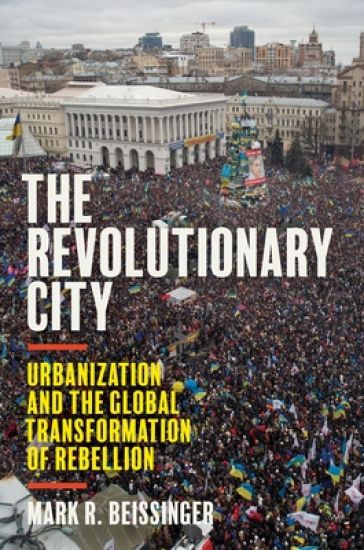
The Revolutionary City

The Revolutionary City

Mark R. Beissinger

PRINCETON UNIVERSITY PRESS
2022
pokkari
How and why cities have become the predominant sites for revolutionary upheavals in the contemporary worldExamining the changing character of revolution around the world, The Revolutionary City focuses on the impact that the concentration of people, power, and wealth in cities exercises on revolutionary processes and outcomes. Once predominantly an urban and armed affair, revolutions in the twentieth century migrated to the countryside, as revolutionaries searched for safety from government repression and discovered the peasantry as a revolutionary force. But at the end of the twentieth century, as urban centers grew, revolution returned to the city—accompanied by a new urban civic repertoire espousing the containment of predatory government and relying on visibility and the power of numbers rather than arms.Using original data on revolutionary episodes since 1900, public opinion surveys, and engaging examples from around the world, Mark Beissinger explores the causes and consequences of the urbanization of revolution in the late twentieth and early twenty-first centuries. Beissinger examines the compact nature of urban revolutions, as well as their rampant information problems and heightened uncertainty. He investigates the struggle for control over public space, why revolutionary contention has grown more pacified over time, and how revolutions involving the rapid assembly of hundreds of thousands in central urban spaces lead to diverse, ad hoc coalitions that have difficulty producing substantive change.The Revolutionary City provides a new understanding of how revolutions happen and what they might look like in the future.
The Revolutionary City

The Revolutionary City

Mark R. Beissinger

PRINCETON UNIVERSITY PRESS
2022
sidottu
How and why cities have become the predominant sites for revolutionary upheavals in the contemporary worldExamining the changing character of revolution around the world, The Revolutionary City focuses on the impact that the concentration of people, power, and wealth in cities exercises on revolutionary processes and outcomes. Once predominantly an urban and armed affair, revolutions in the twentieth century migrated to the countryside, as revolutionaries searched for safety from government repression and discovered the peasantry as a revolutionary force. But at the end of the twentieth century, as urban centers grew, revolution returned to the city—accompanied by a new urban civic repertoire espousing the containment of predatory government and relying on visibility and the power of numbers rather than arms.Using original data on revolutionary episodes since 1900, public opinion surveys, and engaging examples from around the world, Mark Beissinger explores the causes and consequences of the urbanization of revolution in the late twentieth and early twenty-first centuries. Beissinger examines the compact nature of urban revolutions, as well as their rampant information problems and heightened uncertainty. He investigates the struggle for control over public space, why revolutionary contention has grown more pacified over time, and how revolutions involving the rapid assembly of hundreds of thousands in central urban spaces lead to diverse, ad hoc coalitions that have difficulty producing substantive change.The Revolutionary City provides a new understanding of how revolutions happen and what they might look like in the future.