Kirjojen hintavertailu. Mukana 11 342 296 kirjaa ja 12 kauppaa.

Kirjahaku

Etsi kirjoja tekijän nimen, kirjan nimen tai ISBN:n perusteella.

3 kirjaa tekijältä Martha J. Cutter

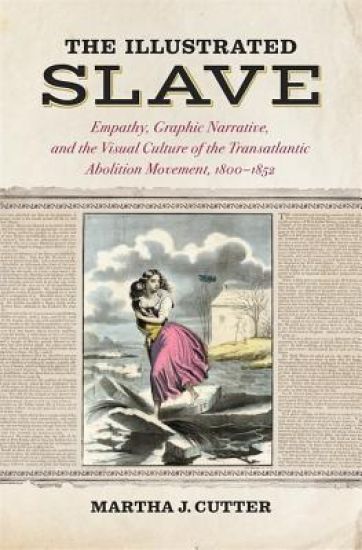
The Illustrated Slave

The Illustrated Slave

Martha J. Cutter

University of Georgia Press
2017
sidottu
From the 1787 Wedgwood antislavery medallion featuring the image of an enchained and pleading black body to Quentin Tarantino’s Django Unchained (2012) and Steve McQueen’s Twelve Years a Slave (2013), slavery as a system of torture and bondage has fascinated the optical imagination of the transatlantic world. Scholars have examined various aspects of the visual culture that was slavery, including its painting, sculpture, pamphlet campaigns, and artwork. Yet an important piece of this visual culture has gone unexamined: the popular and frequently reprinted antislavery illustrated books published prior to Harriet Beecher Stowe’s Uncle Tom’s Cabin (1852) that were utilized extensively by the antislavery movement in the first half of the nineteenth century.The Illustrated Slave analyzes some of the more innovative works in the archive of antislavery illustrated books published from 1800 to 1852 alongside other visual materials that depict enslavement. Martha J. Cutter argues that some illustrated narratives attempt to shift a viewing reader away from pity and spectatorship into a mode of empathy and interrelationship with the enslaved. She also contends that some illustrated books characterize the enslaved as obtaining a degree of control over narrative and lived experiences, even if these figurations entail a sense that the story of slavery is beyond representation itself. Through exploration of famous works such as Uncle Tom’s Cabin, as well as unfamiliar ones by Amelia Opie, Henry Bibb, and Henry Box Brown, she delineates a mode of radical empathy that attempts to destroy divisions between the enslaved individual and the free white subject and between the viewer and the viewed.
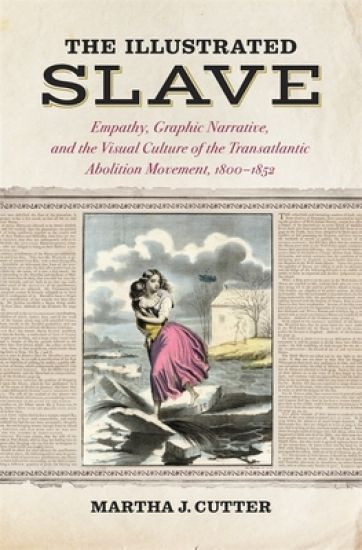
The Illustrated Slave

The Illustrated Slave

Martha J. Cutter

University of Georgia Press
2020
pokkari
From the 1787 Wedgwood antislavery medallion featuring the image of an enchained and pleading black body to Quentin Tarantino’s Django Unchained (2012) and Steve McQueen’s Twelve Years a Slave (2013), slavery as a system of torture and bondage has fascinated the optical imagination of the transatlantic world. Scholars have examined various aspects of the visual culture that was slavery, including its painting, sculpture, pamphlet campaigns, and artwork. Yet an important piece of this visual culture has gone unexamined: the popular and frequently reprinted antislavery illustrated books published prior to Harriet Beecher Stowe’s Uncle Tom’s Cabin (1852) that were utilized extensively by the antislavery movement in the first half of the nineteenth century.The Illustrated Slave analyzes some of the more innovative works in the archive of antislavery illustrated books published from 1800 to 1852 alongside other visual materials that depict enslavement. Martha J. Cutter argues that some illustrated narratives attempt to shift a viewing reader away from pity and spectatorship into a mode of empathy and interrelationship with the enslaved. She also contends that some illustrated books characterize the enslaved as obtaining a degree of control over narrative and lived experiences, even if these figurations entail a sense that the story of slavery is beyond representation itself. Through exploration of famous works such as Uncle Tom’s Cabin, as well as unfamiliar ones by Amelia Opie, Henry Bibb, and Henry Box Brown, she delineates a mode of radical empathy that attempts to destroy divisions between the enslaved individual and the free white subject and between the viewer and the viewed.
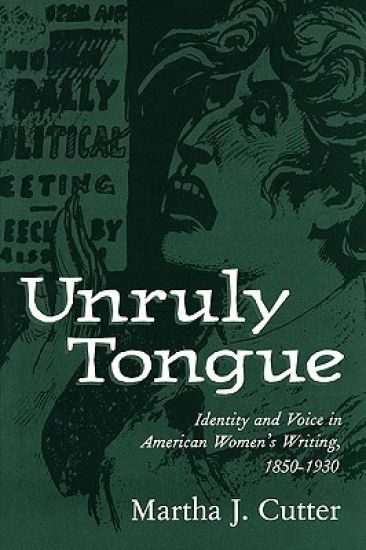
Unruly Tongue

Unruly Tongue

Martha J. Cutter

University Press of Mississippi
2008
nidottu
Women should be seen and not heard."" That was a well-known maxim in nineteenth century America. American women writers--such as Louisa May Alcott, Kate Chopin, and Willa Cather--devised a brilliant method for crashing that barrier to creativity. In her new book, UNRULY TONGUE: IDENTITY AND VOICE IN AMERICAN WOMEN'S WRITING, 1850-1930 (University Press of Mississippi, $40, cloth) Martha Cutter says the ten African American and Anglo American women she studied wrote as inside agitators. Over time they created a new theory of language. Cutter says, ""From 1780 to 1860 American writers were preoccupied with the feminine virtues of purity, piety, submissiveness, and domesticity--a constellation of attributes known as the domestic saint, or True Woman."" But that soon changed. As more women were educated and more women began to work outside the home, women writers found a need to express themselves with a growing sense of independence. In the first years covered by her book, Cutter found writers Fanny Fern, Harriet Wilson, and Louisa May Alcott employing female characters who stayed within their domestic roles and stuck to a very submissive script. ""The years from 1850 to 1930 reflected a great deal of cultural change,"" Cutter says, ""as the New Woman gradually displaced the True Woman, and the domestic voice was replaced by one that was more concerned with the theoretical basis of women's silencing."" In this atmosphere, Cutter finds writers Anna Julia Cooper, Mary Wilkins Freeman, Charlotte Perkins Gilman, Frances Harper, and Kate Chopin writing about women who bring unruly tongues and independent thinking to traditional female roles. These writers enabled those that followed, such as Willa Cather and Jessie Fauset, to create characters with masculine and racist voices and undermine those characters from the inside. Throughout her book, Cutter discovers how these ten writers, even those who wrote in what appears to be a purely feminine and domestic voice, found ways to rethink language and create new identities and new voices that were both feminine and unruly. Martha J. Cutter is an assistant professor of English at Kent State University. She has contributed critical essays to Mary Wilkins Freeman: A Study of Short Fiction, The Politics of Passing, The Canon in the Classroom, and many scholarly journals.