Kirjojen hintavertailu. Mukana 11 373 197 kirjaa ja 12 kauppaa.

Kirjahaku

Etsi kirjoja tekijän nimen, kirjan nimen tai ISBN:n perusteella.

5 kirjaa tekijältä Martin McNamara

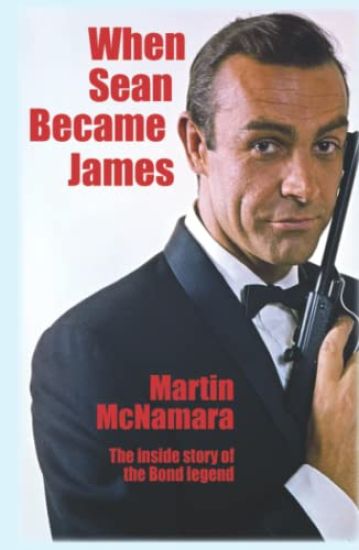
When Sean Became James

When Sean Became James

Martin McNamara

SunRise Publishing Ltd
2022
sidottu
When Sean became James tells the story of the making of Dr No and of the unique and very different groups of men who came together to accidentally create one of the most influential films of all time. In October 1962 a small budget British film premiered in Leicester Square, London. It got mixed reviews from the press and even its creators were unimpressed by their product. The original author of the story hated it, while the producers were mystified by the laughter from the test screenings. They had set out to create a sexy, stylish thriller. Had they accidentally made a comedy? The US film backers were already ruing the money they wasted on this ‘Limey spy thriller’. Their leading man, a former milkman from Edinburgh whose life is far removed from the suave, sophisticated character on screen, was regretting ever getting involved in the project. His director, who figured the actor was miscast, thinks it’s just another B-movie, soon to be forgotten. Yet somehow their modest little film, Dr No, will launch the world’s longest running, and most lucrative film franchise and transform its lead actor into one of the world’s most iconic and enduring screen stars. It is a film whose style, energy, radical approach to editing and its wisecracking sex and violence would transform a whole genre of film and influence generations of movie makers. As Barbara Broccoli, the daughter of Cubby, and producer of the current Bond franchise recalled. ‘The original filmmakers were Cubby and Harry, Ian Fleming, Terence Young and Sean Connery. They all created something extraordinary. They changed cinema history. They pushed the envelope.’
When Sean Became James

When Sean Became James

Martin McNamara

SunRise Publishing Ltd
2022
nidottu
When Sean became James tells the story of the making of Dr No and of the unique and very different groups of men who came together to accidentally create one of the most influential films of all time. In October 1962 a small budget British film premiered in Leicester Square, London. It got mixed reviews from the press and even its creators were unimpressed by their product. The original author of the story hated it, while the producers were mystified by the laughter from the test screenings. They had set out to create a sexy, stylish thriller. Had they accidentally made a comedy? The US film backers were already ruing the money they wasted on this ‘Limey spy thriller’. Their leading man, a former milkman from Edinburgh whose life is far removed from the suave, sophisticated character on screen, was regretting ever getting involved in the project. His director, who figured the actor was miscast, thinks it’s just another B-movie, soon to be forgotten. Yet somehow their modest little film, Dr No, will launch the world’s longest running, and most lucrative film franchise and transform its lead actor into one of the world’s most iconic and enduring screen stars. It is a film whose style, energy, radical approach to editing and its wisecracking sex and violence would transform a whole genre of film and influence generations of movie makers. As Barbara Broccoli, the daughter of Cubby, and producer of the current Bond franchise recalled. ‘The original filmmakers were Cubby and Harry, Ian Fleming, Terence Young and Sean Connery. They all created something extraordinary. They changed cinema history. They pushed the envelope.’
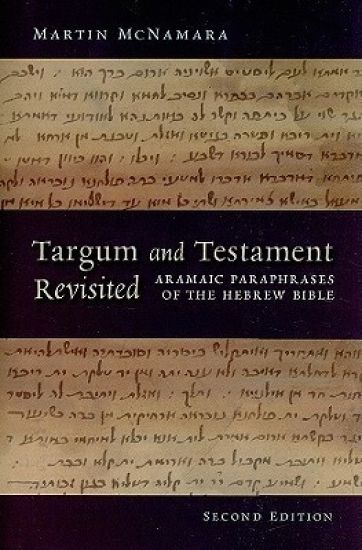
Targum and New Testament

Targum and New Testament

Martin McNamara

Mohr Siebeck
2011
sidottu
The relevance of the Targums (Aramaic translations of the Hebrew Bible) for the understanding of the New Testament has been a matter of dispute over the past three hundred years, principally by reason of the late date of the Targum manuscripts and the nature of the Aramaic. The debate has become more focused by reason of the Qumran finds of pre-Christian Aramaic documents (1947) and the identification of a complete text of the Palestinian Targum of the Pentateuch in the Vatican Library (Codex Neofiti, 1956). Martin McNamara traces the history of the debate down to our own day and the annotated translation of all the Targums into English. He studies the language situation (Aramaic and Greek) in New Testament Palestine and the interpretation of the Scriptures in the Targums, with concepts and language similar to the New Testament. Against this background relationships between the Targums and the New Testament are examined. A way forward is suggested by regarding the tell-like structure of the Targums (with layers from different ages) and a continuum running through for certain texts.