Kirjojen hintavertailu. Mukana 11 627 064 kirjaa ja 12 kauppaa.

Kirjahaku

Etsi kirjoja tekijän nimen, kirjan nimen tai ISBN:n perusteella.

3 kirjaa tekijältä Martin P. Johnson

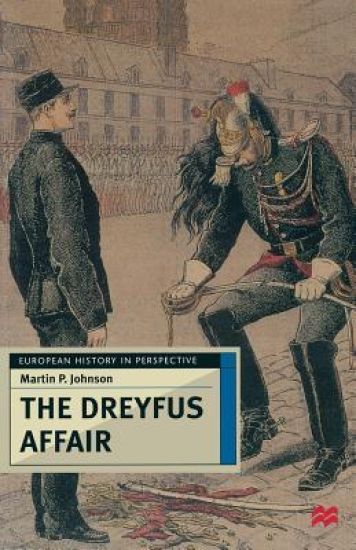
The Dreyfus Affair

The Dreyfus Affair

Martin P. Johnson

Red Globe Press
1999
nidottu
The Dreyfus Affair comprises attempted assassinations, suicides, perjury, forgeries, invective, stunning reversals and abortive coups d'état, involving the honour and destiny of an individual and of France. It is also a mystery tale that reveals the preoccupations and divisions of France and Europe at the turn of the century. At its centre is the unjust imprisonment upon Devil's Island of Captain Alfred Dreyfus, a Jew convicted of a crime he did not commit, who was in part the victim of an ancient prejudice. As the gravest crisis of the Third Republic, the Dreyfus Affair transformed French politics; as a crucial episode in the history of racial nationalism, it marked the transition from traditional to racial anti-Semitism; and as an explosive struggle for human rights and judicial equity, it, for the first time, engaged academics, writers and artists as self-conscious 'intellectuals' in French politics. The Dreyfus Affair explores how the trial of one man became l'Affaire, with all its consequences.
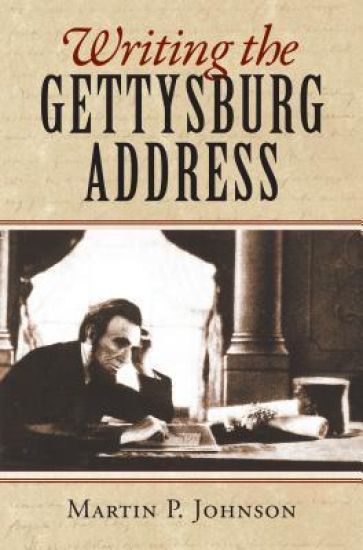
Writing the Gettysburg Address

Writing the Gettysburg Address

Martin P. Johnson

University Press of Kansas
2013
sidottu
Four score and seven years ago . . .Are any six words better known, of greater import, or from a more crucial moment in America’s history? And yet after 150 years the dramatic and surprising story of how Lincoln wrote the Gettysburg Address has never been fully told. Until now. Martin Johnson’s remarkable work of historical and literary detection illuminates a speech, a man, and a moment in history that we thought we knew. Johnson guides readers on Lincoln’s emotional and intellectual journey to the speaker’s platform, revealing that Lincoln himself experienced writing the Gettysburg Address as an eventful process that was filled with the possibility of failure, but which he knew resulted finally in success beyond expectation. We listen as Lincoln talks with the cemetery designer about the ideals and aspirations behind the unprecedented cemetery project, look over Lincoln’s shoulder as he rethinks and rewrites his speech on the very morning of the ceremony, and share his anxiety that he might not live up to the occasion. And then, at last, we stand with Lincoln at Gettysburg, when he created the words and image of an enduring and authentic legend. Writing the Gettysburg Address resolves the puzzles and problems that have shrouded the composition of Lincoln’s most admired speech in mystery for fifteen decades. Johnson shows when Lincoln first started his speech, reveals the state of the document Lincoln brought to Gettysburg, traces the origin of the false story that Lincoln wrote his speech on the train, identifies the manuscript Lincoln held while speaking, and presents a new method for deciding what Lincoln’s audience actually heard him say. Ultimately, Johnson shows that the Gettysburg Address was a speech that grew and changed with each step of Lincoln’s eventful journey to the podium. His two-minute speech made the battlefield and the cemetery into landmarks of the American imagination, but it was Lincoln’s own journey to Gettysburg that made the Gettysburg Address.
Writing the Gettysburg Address

Writing the Gettysburg Address

Martin P. Johnson

University Press of Kansas
2015
nidottu
Four score and seven years ago . . . . Are any six words better known, of greater import, or from a more crucial moment in our nation's history? And yet after 150 years the dramatic and surprising story of how Lincoln wrote the Gettysburg Address has never been fully told. Until now. Martin Johnson's remarkable work of historical and literary detection illuminates a speech, a man, and a moment in history that we thought we knew. Johnson guides readers on Lincoln's emotional and intellectual journey to the speaker's platform, revealing that Lincoln himself experienced writing the Gettysburg Address as an eventful process that was filled with the possibility of failure, but which he knew resulted finally in success beyond expectation. We listen as Lincoln talks with the cemetery designer about the ideals and aspirations behind the unprecedented cemetery project, look over Lincoln's shoulder as he rethinks and rewrites his speech on the very morning of the ceremony, and share his anxiety that he might not live up to the occasion. And then, at last, we stand with Lincoln at Gettysburg, when he created the words and image of an enduring and authentic legend. Writing the Gettysburg Address resolves the puzzles and problems that have shrouded the composition of Lincoln's most admired speech in mystery for fifteen decades. Johnson shows when Lincoln first started his speech, reveals the state of the document Lincoln brought to Gettysburg, traces the origin of the false story that Lincoln wrote his speech on the train, identifies the manuscript Lincoln held while speaking, and presents a new method for deciding what Lincoln's audience actually heard him say. Ultimately, Johnson shows that the Gettysburg Address was a speech that grew and changed with each step of Lincoln's eventful journey to the podium. His two-minute speech made the battlefield and the cemetery into landmarks of the American imagination, but it was Lincoln's own journey to Gettysburg that made the Gettysburg Address.