Kirjojen hintavertailu. Mukana 11 244 527 kirjaa ja 12 kauppaa.

Kirjahaku

Etsi kirjoja tekijän nimen, kirjan nimen tai ISBN:n perusteella.

10 kirjaa tekijältä Martyn Hilbert

Lancashire's Railways

Lancashire's Railways

Martyn Hilbert

AMBERLEY PUBLISHING
2024
nidottu
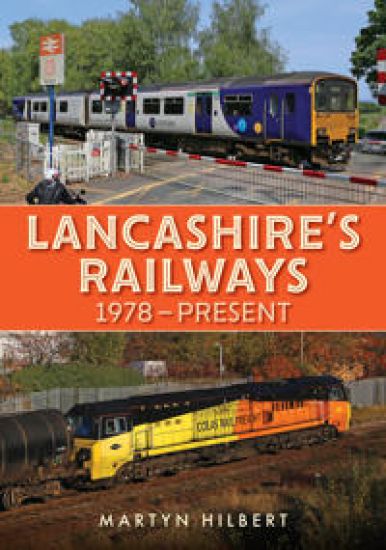
Martyn Hilbert’s colour photographs record the changes on the railway network around Lancashire from 1978 to the present day. Spanning the end of the regional BR Rail Blue era, through sectorisation and privatisation, this book captures the huge variety of motive power in operation during this period, from diesel and electric locomotive-hauled services to first- and second-generation DMUs and EMUs, as well as some industrial railways. The book covers the county’s network from its northern boundary, including Lancaster and Carnforth, to the West Yorkshire boundary, the Fylde area (Blackpool, Lytham, etc.), Central Lancashire (the Preston area, Chorley, Leyland) and West Lancashire where it reaches the current Merseyside boundary south of Ormskirk. The traditional former Lancashire towns of Bolton, Bury Oldham and Wigan, which are now part of Greater Manchester, are also included, as well as the city of Salford. This photographic survey over more than forty years of the railway scene in Lancashire will appeal to all those with an interest in the history of the railways in this county.

Northern Electrics

Northern Electrics

Martyn Hilbert

AMBERLEY PUBLISHING
2024
nidottu
In this book Martyn Hilbert presents a pictorial survey of Electrical Multiple Units in the North of England, from Staffordshire to the Scottish borders, Doncaster to Tyneside and including the conurbations of Merseyside, Greater Manchester and Leeds/Bradford. The period covered runs from the late 1970s to the present day. The first EMUs were introduced on Britain’s railways more than a century ago and following nationalisation of the railways in 1948 British Railways began a gradual process of electrification which accelerated after the Modernisation Plan in 1955. In the 1970s BR started building its second-generation EMUs and by the 1990s the first of a third generation of EMUs entered service as the railways began to be privatised. This book will appeal to all those who wish to know more about Britain’s railways over the last five decades.
Northern Diesels

Northern Diesels

Martyn Hilbert

AMBERLEY PUBLISHING
2025
nidottu
In this companion volume to Northern Electrics: EMUs in the North of England, Martyn Hilbert showcases the huge variety and types of first- and second-generation Diesel Multiple Units that have operated in the North of England, including many items of rolling stock that have passed into history. Covering the period from the late 1970s to the present day, the photographs featured have been taken in a wide range of locations, including North Staffordshire, Cheshire (including Crewe), Merseyside and the Wirral, Greater Manchester, Lancashire, Cumbria, Newcastle and the Tyne, the Tees area and Yorkshire. The first generation was introduced by British Railways in the mid-1950s as part of the modernisation programme. These were replaced by a second generation of units in the 1980s, many of which are still in service, but are slowly being replaced by new state-of-the-art designs to suit modern-day operations, passenger expectations and environmental considerations. With previously unpublished images, this book will appeal to all those with an interest in Britain’s railways over the last five decades.
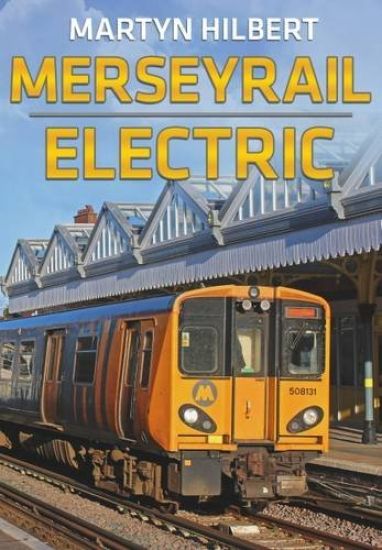
Merseyrail Electric

Merseyrail Electric

Martyn Hilbert

Fonthill Media
2016
nidottu
Serving a diverse and famous part of north-west England, this is a detailed look at this busy and oft-ignored suburban railway network that has become a Merseyside institution. The self-contained electrified network has 75 route miles, serving the County of Merseyside, the Wirral, West Lancashire and parts of Cheshire, providing safe and efficient transportation for over 100,000 passengers daily. The system operates some of the oldest trains in daily use on the UK mainland network, yet is one of the best performing operators in the country consistently achieving high passenger satisfaction figures. With scenes from the network past and present, a photographic journey is undertaken illustrating not only the changes to the rolling stock, but also showing the infrastructure and the varied landscape that provides a backdrop to the frequent, well-patronised services. Complete with a history of how the network has developed from the early 1970s, with colour illustrations throughout, includes a route map and current fleet list.
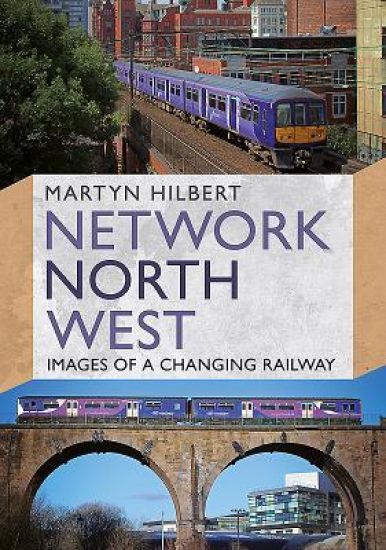
Network North West

Network North West

Martyn Hilbert

Fonthill Media
2017
nidottu
The North-West of England is a diverse and fascinating part of the country with a varied landscape. This area was once the powerhouse of the industrial revolution, and was the location for the World's first true 'Intercity' railway, spawning a complex network of routes that served the various towns which were once hives of industry. The famous coastal resorts-Southport, Blackpool, and Morecambe were all products of the railway age, when a day trip to the seaside broke the monotony of the daily grind. However, areas and times change-heavy industry was on the wane by the late 1960s, and the last of the Lancashire Collieries disappeared in the early 1990s, reflecting the decline of traditional industries nationwide. The North-West railway network has adapted, becoming a predominantly passenger railway, with busy commuter services feeding Liverpool and Manchester daily. This book chronicles many of the changes since the late 1970s, including scenes, routes, and rolling stock that have altered beyond recognition.
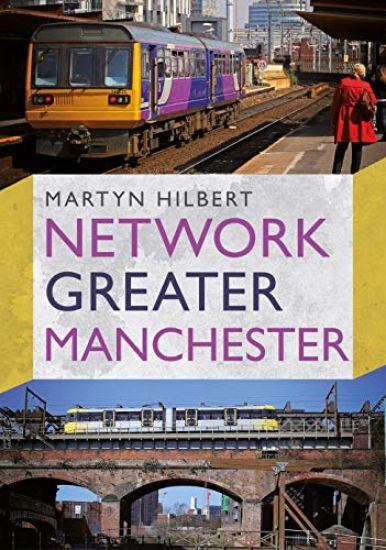
Network Greater Manchester

Network Greater Manchester

Martyn Hilbert

Fonthill Media
2019
nidottu
Greater Manchester covers an area of 493 square miles and is a diverse part of North West England, it is home to 2.8 million people. At its heart is the vibrant and ever-changing City of Manchester, the large conurbation having borders with Lancashire, West Yorkshire, Derbyshire, Cheshire and Merseyside. It has a complex, varied and historic heavy rail network that contains ninety-six stations on a 142 mile network, part of which was the first passenger railway in the World. Greater Manchester is also home to the largest light rail system in the UK – The Metrolink Tram system has a current network of 57 miles and 93 stops, its expansion has aided some traffic reduction in an area that has the highest percentage of Motorway network than any other county in the UK. Network Greater Manchester is a detailed photographic journey over the system that chronicles the constantly changing scene since the late 1970’s to the present day and illustrates how the services, rolling stock and infrastructure have changed with the passage of time.
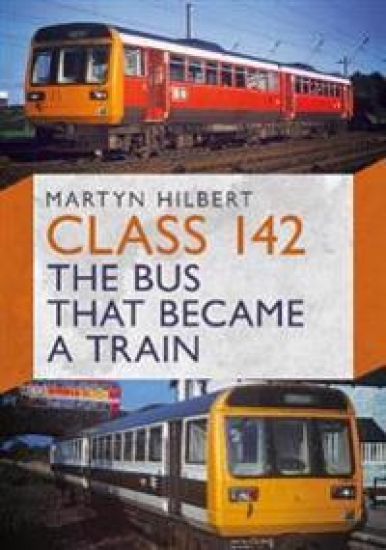
Class 142

Class 142

Martyn Hilbert

Fonthill Media
2020
nidottu
The British Rail Class 142 Pacer was an attempt to produce a cost effective train to replace the worn-out and elderly first generation BR Diesel Multiple Unit fleet that had been introduced in the late 1950’s. The Class 142 concept was a marriage of proven bus technology and traditional railway chassis and powertrain by utilizing modular Leyland National Bus Bodies mounted on a substantial steel underframe and powered by conventional underfloor diesel engines. They came at a time when the network was lacking in investment, and when first introduced from 1985 onwards, they presented a fresh, bright & clean image, breathing new life into many suburban and rural services. Unfortunately, soon after introduction, there were serious reliability problems, which necessitated much re-engineering, since when they have become a familiar sight across the network. With the remaining ninety-four trains now all past their thirtieth birthday, the fleet is due to be retired by 2020.
BR Blue

BR Blue

Martyn Hilbert

Fonthill Media Ltd
2022
pokkari
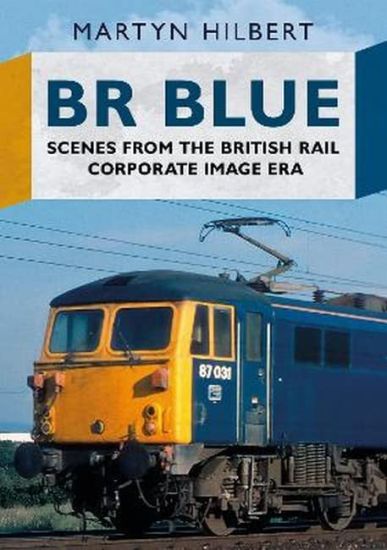
The British Rail Corporate Image and its Rail Blue livery was the longest lived colour scheme carried by the trains of Britain in the forty-eight-year life of the nationalized railway system. During this period there was an immense variety of locomotives, rolling stock and infrastructure across the network, that is all now part of history.
Merseyrail Electric

Merseyrail Electric

Martyn Hilbert

Fonthill Media Ltd
2023
nidottu
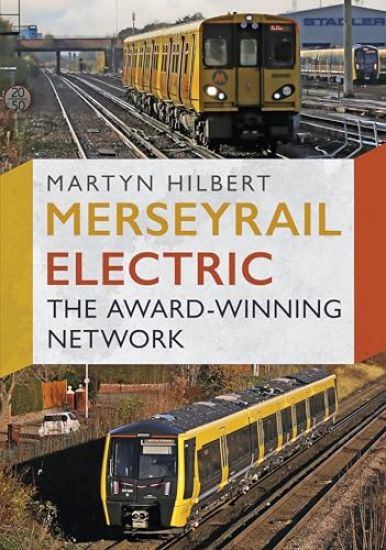
The self-contained, fully electrified Merseyrail system is an iconic part of the UK's railway network. With 75 route miles of track, sixty-nine stations, and over 800 services, it is the third largest rail system outside London and the South East, transporting around 100,000 passengers safely, efficiently, and to the highest environmental standards on any typical working day. Radiating from the city of Liverpool, it serves the Wirral and parts of Cheshire and West Lancashire, where it has gained numerous awards for reliability, punctuality, and passenger satisfaction. And the future of Merseyrail looks bright: state-of-the-art Class 777 electric multiple units are entering service and extensions of the network are being planned. 'Merseyrail Electric: The Award-Winning Network' is the definitive book on this magnificent network, examining with an expert's eye its development, its rolling stock, and its exciting future.