Kirjojen hintavertailu. Mukana 12 016 292 kirjaa ja 12 kauppaa.

Kirjahaku

Etsi kirjoja tekijän nimen, kirjan nimen tai ISBN:n perusteella.

6 kirjaa tekijältä Mary Angela Bock

Seeing Justice

Seeing Justice

Mary Angela Bock

Oxford University Press Inc
2024
sidottu
A behind-the-scenes look at the struggles between visual journalists and officials over what the public sees--and therefore much of what the public knows--of the criminal justice system. In the contexts of crime, social justice, and the law, nothing in visual media is as it seems. In today's mediated social world, visual communication has shifted to a democratic sphere that has significantly changed the way we understand and use images as evidence. In Seeing Justice, Mary Angela Bock examines the way criminal justice in the US is presented in visual media by focusing on the grounded practices of visual journalists in relationship with law enforcement. Drawing upon extended interviews, participant observation, contemporary court cases, and critical discourse analysis, Bock provides a detailed examination of the way digitization is altering the relationships between media, consumers, and the criminal justice system. From tabloid coverage of the last public hanging in the US to Karen-shaming videos, from mug shots to perp walks, she focuses on the practical struggles between journalists, police, and court officials to control the way images influence their resulting narratives. Revealing the way powerful interests shape what the public sees, Seeing Justice offers a model for understanding how images are used in news narrative.
Seeing Justice

Seeing Justice

Mary Angela Bock

Oxford University Press Inc
2021
nidottu
A behind-the-scenes look at the struggles between visual journalists and officials over what the public sees--and therefore much of what the public knows--of the criminal justice system. In the contexts of crime, social justice, and the law, nothing in visual media is as it seems. In today's mediated social world, visual communication has shifted to a democratic sphere that has significantly changed the way we understand and use images as evidence. In Seeing Justice, Mary Angela Bock examines the way criminal justice in the US is presented in visual media by focusing on the grounded practices of visual journalists in relationship with law enforcement. Drawing upon extended interviews, participant observation, contemporary court cases, and critical discourse analysis, Bock provides a detailed examination of the way digitization is altering the relationships between media, consumers, and the criminal justice system. From tabloid coverage of the last public hanging in the US to Karen-shaming videos, from mug shots to perp walks, she focuses on the practical struggles between journalists, police, and court officials to control the way images influence their resulting narratives. Revealing the way powerful interests shape what the public sees, Seeing Justice offers a model for understanding how images are used in news narrative.
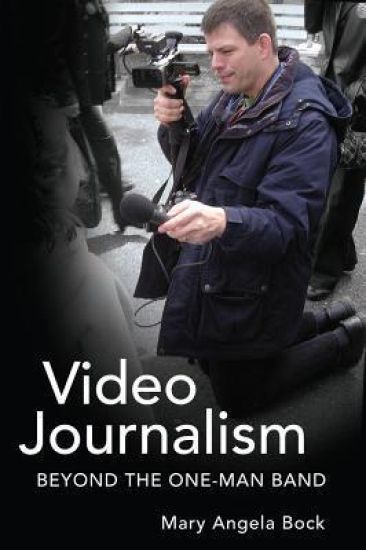
Video Journalism

Video Journalism

Mary Angela Bock

Peter Lang Publishing Inc
2012
nidottu
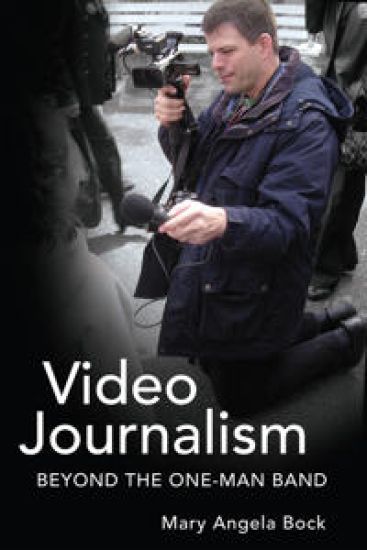
Video journalism, the process by which one person shoots, writes, and edits video for broadcast or the web, is a form of newsgathering taking hold in newsrooms of all kinds, by professionals and would-be citizen journalists around the world. Some proponents have celebrated it as an improved narrative form, one that uses more intimate, emotional documentary filmmaking techniques than conventional television. Its detractors consider it simply a cheaper way to make news. Video Journalism: Beyond the One-Man Band weighs in on the controversy while addressing two overall concerns: What is video journalism, exactly? And how do the stories created by video journalists compare with other forms of news? This book presents more than two years of ethnographic research in a wide variety of contexts in the United States and the United Kingdom, including local newspapers, The New York Times, local television stations, the BBC, the Voice of America radio network, and several professional photographic workshops. In a departure from other news ethnographies, this book takes a somewhat unusual approach in that the author observes video journalists at work in the field, not just in newsrooms, on stories ranging from an urban shooting to a presidential campaign visit. This approach offers a fascinating insider perspective for those in the field as well as those who aspire to it.
Video Journalism

Video Journalism

Mary Angela Bock

Peter Lang Publishing Inc
2012
sidottu
Video journalism, the process by which one person shoots, writes, and edits video for broadcast or the web, is a form of newsgathering taking hold in newsrooms of all kinds, by professionals and would-be citizen journalists around the world. Some proponents have celebrated it as an improved narrative form, one that uses more intimate, emotional documentary filmmaking techniques than conventional television. Its detractors consider it simply a cheaper way to make news. Video Journalism: Beyond the One-Man Band weighs in on the controversy while addressing two overall concerns: What is video journalism, exactly? And how do the stories created by video journalists compare with other forms of news? This book presents more than two years of ethnographic research in a wide variety of contexts in the United States and the United Kingdom, including local newspapers, The New York Times, local television stations, the BBC, the Voice of America radio network, and several professional photographic workshops. In a departure from other news ethnographies, this book takes a somewhat unusual approach in that the author observes video journalists at work in the field, not just in newsrooms, on stories ranging from an urban shooting to a presidential campaign visit. This approach offers a fascinating insider perspective for those in the field as well as those who aspire to it.
Gender and Journalism

Gender and Journalism

Mary Angela Bock

BLOOMSBURY PUBLISHING PLC
2023
sidottu
Gender and Journalism introduces students to how one facet of our humanity—gender—has a tremendous effect on the people working in journalism; the subjects and framing of the stories they tell; and ultimately the people who consume those stories. This engaging textbook provides a history of gender equality struggles alongside the development of news media in the United States. It provides foundational concepts, theories, and methods through which students can explore the role gender has played in news media. Promoting media literacy, the book empowers students to look at the many factors that influence stories and to become more critical media consumers and creators themselves. While the book centers on women’s experiences in the United States, it also considers the political, economic, and cultural aspects of gender and journalism globally. It addresses experiences of LGBTQ and non-white individuals to give an intersectional context to the ramifications of gender. Students learn important concepts such as hegemonic masculinity, colorblind racism, infantilization, and the double binds and explore issues related to gender in photojournalism, sports journalism, and broadcasting. Designed to humanize media institutions, the book highlights the lives of influential writers, journalists, activists, and media producers. Every chapter includes profiles of key journalists and activists and primary source excerpts, as well as reflection and media critique chapter-ending questions. Highlighted keywords in each chapter culminate in a comprehensive glossary. Instructor materials include suggested activities and sample quizzes. Content Features: Discussion of communication and media studies terms and theoryIntroduction to gender studies terms and theoryDiscussion of civil rights and race issues as they intersect with gender and journalism History of first- and second-wave feminismLGBTQ examples and history of gay rightsDedicated chapter on masculinityIn-Text Features: Journalist and activist profile boxesPrimary source excerpt boxesEnd-of-Chapter reflection and media critique questionsChapter keywords and cumulative glossaryInstructor Materials: Suggested ActivitiesSample Quizzes
Gender and Journalism

Gender and Journalism

Mary Angela Bock

BLOOMSBURY PUBLISHING PLC
2023
nidottu
Gender and Journalism introduces students to how one facet of our humanity—gender—has a tremendous effect on the people working in journalism; the subjects and framing of the stories they tell; and ultimately the people who consume those stories. This engaging textbook provides a history of gender equality struggles alongside the development of news media in the United States. It provides foundational concepts, theories, and methods through which students can explore the role gender has played in news media. Promoting media literacy, the book empowers students to look at the many factors that influence stories and to become more critical media consumers and creators themselves. While the book centers on women’s experiences in the United States, it also considers the political, economic, and cultural aspects of gender and journalism globally. It addresses experiences of LGBTQ and non-white individuals to give an intersectional context to the ramifications of gender. Students learn important concepts such as hegemonic masculinity, colorblind racism, infantilization, and the double binds and explore issues related to gender in photojournalism, sports journalism, and broadcasting. Designed to humanize media institutions, the book highlights the lives of influential writers, journalists, activists, and media producers. Every chapter includes profiles of key journalists and activists and primary source excerpts, as well as reflection and media critique chapter-ending questions. Highlighted keywords in each chapter culminate in a comprehensive glossary. Instructor materials include suggested activities and sample quizzes. Content Features: Discussion of communication and media studies terms and theoryIntroduction to gender studies terms and theoryDiscussion of civil rights and race issues as they intersect with gender and journalism History of first- and second-wave feminismLGBTQ examples and history of gay rightsDedicated chapter on masculinityIn-Text Features: Journalist and activist profile boxesPrimary source excerpt boxesEnd-of-Chapter reflection and media critique questionsChapter keywords and cumulative glossaryInstructor Materials: Suggested ActivitiesSample Quizzes