Kirjojen hintavertailu. Mukana 12 459 402 kirjaa ja 12 kauppaa.

Kirjahaku

Etsi kirjoja tekijän nimen, kirjan nimen tai ISBN:n perusteella.

8 kirjaa tekijältä Mary E. Triece

Urban Renewal and Resistance

Urban Renewal and Resistance

Mary E. Triece

Lexington Books
2016
sidottu
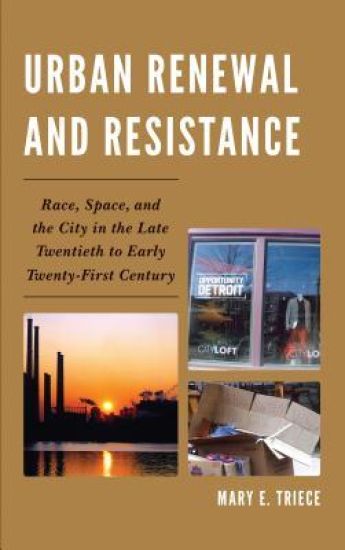
Urban Renewal and Resistance: Race, Space, and the City in the Late Twentieth to Early Twenty-First Century examines how urban spaces are rhetorically constructed through discourses that variously justify or resist processes of urban growth and renewal. This book combines insights from critical geography, urban studies, and communication to explore how urban spaces, like Detroit and Harlem, are rhetorically structured through neoliberal discourses that mask the racialized nature of housing and health in American cities. The analysis focuses on city planning documents, web sites, media accounts, and draws on insights from personal interviews in order to pull together a story of city growth and its consequences, while keeping an eye on the ways city residents continue to confront and resist control over their communities through counter-narratives that challenge geographies of injustice. Recommended for scholars of communication studies, journalism, sociology, geography, and political science.
Urban Renewal and Resistance

Urban Renewal and Resistance

Mary E. Triece

Lexington Books
2018
nidottu
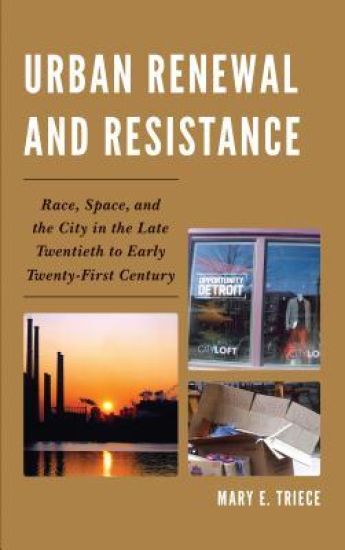
Urban Renewal and Resistance: Race, Space, and the City in the Late Twentieth to Early Twenty-First Century examines how urban spaces are rhetorically constructed through discourses that variously justify or resist processes of urban growth and renewal. This book combines insights from critical geography, urban studies, and communication to explore how urban spaces, like Detroit and Harlem, are rhetorically structured through neoliberal discourses that mask the racialized nature of housing and health in American cities. The analysis focuses on city planning documents, web sites, media accounts, and draws on insights from personal interviews in order to pull together a story of city growth and its consequences, while keeping an eye on the ways city residents continue to confront and resist control over their communities through counter-narratives that challenge geographies of injustice. Recommended for scholars of communication studies, journalism, sociology, geography, and political science.
Radical Advocate

Radical Advocate

Mary E. Triece

THE UNIVERSITY OF ALABAMA PRESS
2025
sidottu
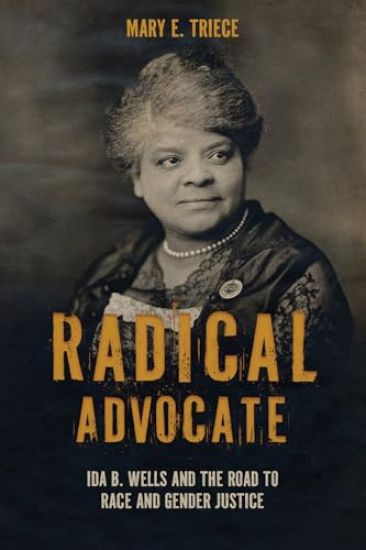
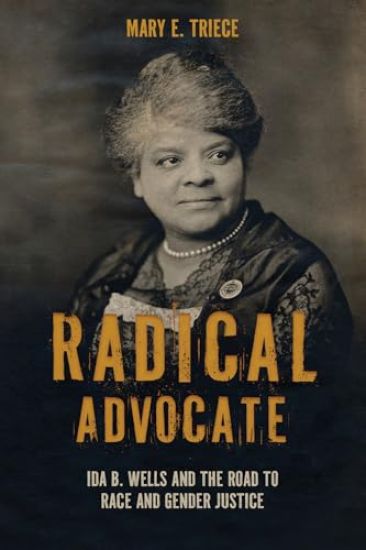
Pinpoints the persuasive strategies that typified Wells’s efforts to shape broader cultural conversations concerning the causes—racial, social, and gender equity.
Radical Advocate

Radical Advocate

Mary E. Triece

THE UNIVERSITY OF ALABAMA PRESS
2025
nidottu
Pinpoints the persuasive strategies that typified Wells’s efforts to shape broader cultural conversations concerning the causes—racial, social, and gender equity.
Memory Work

Memory Work

Mary E. Triece

UNIVERSITY PRESS OF MISSISSIPPI
2024
sidottu
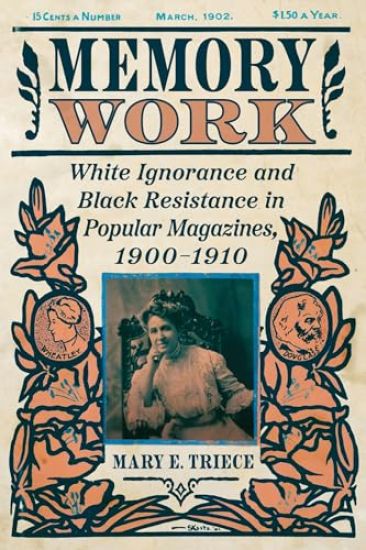
In the early twentieth century, white-controlled magazines and Black magazines told very different stories about the dynamics of race, sex, and power in the United States. Memory Work: White Ignorance and Black Resistance in Popular Magazines, 1900–1910 examines how popular magazines employed rhetorical strategies to remember, forget, and frame America’s racist past. White-controlled magazines such as the Independent, Outlook, Arena, and McClure’s carried stories of southern nostalgia, union reconciliation, and white purity. Relying on willful ignorance to misremember past experiences of suffering, these texts severed violent histories from present-day policies and often simply remained silent. Meanwhile, in Black magazines such as the Colored American Magazine and the Voice of the Negro, women writers leveraged countermemory. Bringing Black women’s accomplishments into focus, these writers inverted popular white narratives that erased and obscured Black women’s experiences, including those of sexual violence. Mary E. Triece traces how white and Black magazines—often in dialogue with one another—differently engaged memory work to either reinforce or upend white supremacy during a period of both Black advancement and white backlash. Further, the book suggests lines of connection between the construction of public memory in the past to those taking place today across an array of media platforms. Popular debates—whether appearing in early 1900s magazines or on twenty-first-century social media sites—shape a culture’s collective knowledge of what counts as true, important, and worthy of attention.
Memory Work

Memory Work

Mary E. Triece

UNIVERSITY PRESS OF MISSISSIPPI
2024
pokkari
In the early twentieth century, white-controlled magazines and Black magazines told very different stories about the dynamics of race, sex, and power in the United States. Memory Work: White Ignorance and Black Resistance in Popular Magazines, 1900–1910 examines how popular magazines employed rhetorical strategies to remember, forget, and frame America’s racist past. White-controlled magazines such as the Independent, Outlook, Arena, and McClure’s carried stories of southern nostalgia, union reconciliation, and white purity. Relying on willful ignorance to misremember past experiences of suffering, these texts severed violent histories from present-day policies and often simply remained silent. Meanwhile, in Black magazines such as the Colored American Magazine and the Voice of the Negro, women writers leveraged countermemory. Bringing Black women’s accomplishments into focus, these writers inverted popular white narratives that erased and obscured Black women’s experiences, including those of sexual violence. Mary E. Triece traces how white and Black magazines—often in dialogue with one another—differently engaged memory work to either reinforce or upend white supremacy during a period of both Black advancement and white backlash. Further, the book suggests lines of connection between the construction of public memory in the past to those taking place today across an array of media platforms. Popular debates—whether appearing in early 1900s magazines or on twenty-first-century social media sites—shape a culture’s collective knowledge of what counts as true, important, and worthy of attention.
Tell It Like It Is

Tell It Like It Is

Mary E. Triece

University of South Carolina Press
2013
sidottu
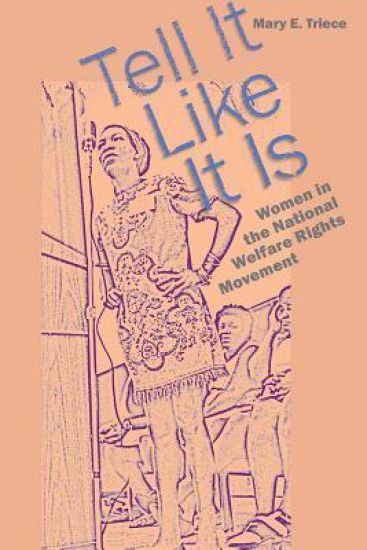
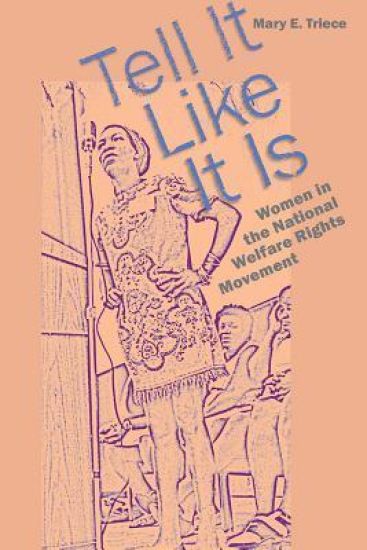
In Tell It Like It Is, Mary E. Triece brings to light a lesser known yet influential social movement of the late 1960s and early 1970s—the welfare rights movement, led and run largely by poor black mothers in the National Welfare Rights Organization (NWRO). Her study combines theory and critical analysis to explore rhetorical strategies and direct actions women employed as they argued for fair welfare legislation in both formal policy debates and in the streets. Triece focuses on how welfare recipients spoke for themselves in forums often marked by widely held stereotypes.Triece explains the influence of racism on welfare legislation throughout the early 1900s and explores how welfare recipients cultivated agency while challenging stereotypes such as the ""welfare cheat"" and the ""welfare mother."" To illuminate her study, Triece uses historical documents including pamphlets, flyers, position statements, and convention materials. She examines the official newspaper of the NWRO, the Welfare Fighter, and draws on the congressional testimonies of welfare recipients, providing the first in-depth look at the ways that these women represented themselves in this formal political forum.Tell It Like It Is presents an interdisciplinary study touching on communication, rhetoric, politics, feminist theory, and the intersections of race, class, gender, and sexuality. It also engages in ongoing scholarly debate regarding language, knowledge, reality, and the potential for social change. Triece contributes to each of these disciplines as she explores how a marginalised and beleaguered people managed to mobilise a nationwide movement.
Tell It Like It Is

Tell It Like It Is

Mary E. Triece

University of South Carolina Press
2013
nidottu
In Tell It Like It Is, Mary E. Triece brings to light a lesser known yet influential social movement of the late 1960s and early 1970s—the welfare rights movement, led and run largely by poor black mothers in the National Welfare Rights Organization (NWRO). Her study combines theory and critical analysis to explore rhetorical strategies and direct actions women employed as they argued for fair welfare legislation in both formal policy debates and in the streets. Triece focuses on how welfare recipients spoke for themselves in forums often marked by widely held stereotypes.Triece explains the influence of racism on welfare legislation throughout the early 1900s and explores how welfare recipients cultivated agency while challenging stereotypes such as the ""welfare cheat"" and the ""welfare mother."" To illuminate her study, Triece uses historical documents including pamphlets, flyers, position statements, and convention materials. She examines the official newspaper of the NWRO, the Welfare Fighter, and draws on the congressional testimonies of welfare recipients, providing the first in-depth look at the ways that these women represented themselves in this formal political forum.Tell It Like It Is presents an interdisciplinary study touching on communication, rhetoric, politics, feminist theory, and the intersections of race, class, gender, and sexuality. It also engages in ongoing scholarly debate regarding language, knowledge, reality, and the potential for social change. Triece contributes to each of these disciplines as she explores how a marginalised and beleaguered people managed to mobilise a nationwide movement.