Kirjojen hintavertailu. Mukana 12 039 543 kirjaa ja 12 kauppaa.

Kirjahaku

Etsi kirjoja tekijän nimen, kirjan nimen tai ISBN:n perusteella.

3 kirjaa tekijältä Mary Stockwell

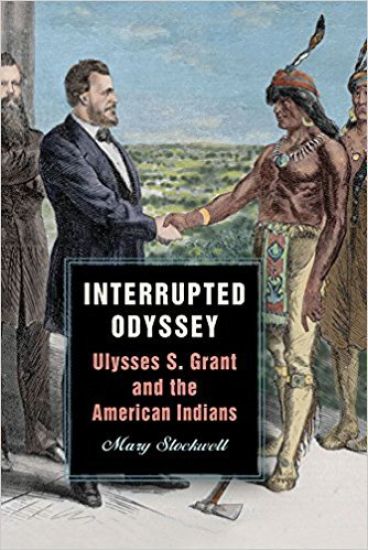
Interrupted Odyssey

Interrupted Odyssey

Mary Stockwell

Southern Illinois University Press
2018
sidottu
In this first book devoted to the genesis, failure, and lasting legacy of Ulysses S. Grant’s comprehensive American Indian policy, Mary Stockwell shows Grant as an essential bridge between Andrew Jackson’s pushing Indians out of the American experience and Franklin D. Roosevelt’s welcoming them back in. Situating Grant at the center of Indian policy development after the Civil War, Interrupted Odyssey: Ulysses S. Grant and the American Indians reveals the bravery and foresight of the eighteenth president in saying that Indians must be saved and woven into the fabric of American life.In the late 1860s, before becoming president, Grant collaborated with Ely Parker, a Seneca Indian who became his first commissioner of Indian affairs, on a plan to rescue the tribes from certain destruction. Grant hoped to save the Indians from extermination by moving them to reservations, where they would be guarded by the U.S. Army, and welcoming them into the nation as American citizens. By so doing, he would restore the executive branch’s traditional authority over Indian policy that had been upended by Jackson.In Interrupted Odyssey, Stockwell rejects the common claim in previous Grant scholarship that he handed the reservations over to Christian missionaries as part of his original policy. In part because Grant’s plan ended political patronage, Congress overturned his policy by disallowing Army officers from serving in civil posts, abandoning the treaty system, and making the new Board of Indian Commissioners the supervisors of the Indian service. Only after Congress banned Army officers from the Indian service did Grant place missionaries in charge of the reservations, and only after the board falsely accused Parker of fraud before Congress did Grant lose faith in his original policy.Stockwell explores in depth the ousting of Parker, revealing the deep-seated prejudices that fueled opposition to him, and details Grant’s stunned disappointment when the Modoc murdered his peace commissioners and several tribes—the Comanche, Kiowa, Cheyenne, and Sioux—rose up against his plans for them.Though his dreams were interrupted through the opposition of Congress, reformers, and the tribes themselves, Grant set his country firmly toward making Indians full participants in the national experience. In setting Grant’s contributions against the wider story of the American Indians, Stockwell’s bold, thoughtful reappraisal reverses the general dismissal of Grant’s approach to the Indians as a complete failure and highlights the courage of his policies during a time of great prejudice.
Interrupted Odyssey

Interrupted Odyssey

Mary Stockwell

SOUTHERN ILLINOIS UNIVERSITY PRESS
2025
nidottu
In this first book devoted to the genesis, failure, and lasting legacy of Ulysses S. Grant’s comprehensive American Indian policy, Mary Stockwell shows Grant as an essential bridge between Andrew Jackson’s pushing Indians out of the American experience and Franklin D. Roosevelt’s welcoming them back in. Situating Grant at the center of Indian policy development after the Civil War, Interrupted Odyssey: Ulysses S. Grant and the American Indians reveals the bravery and foresight of the eighteenth president in saying that Indians must be saved and woven into the fabric of American life. In the late 1860s, before becoming president, Grant collaborated with Ely Parker, a Seneca Indian who became his first commissioner of Indian affairs, on a plan to rescue the tribes from certain destruction. Grant hoped to save the Indians from extermination by moving them to reservations, where they would be guarded by the U.S. Army, and welcoming them into the nation as American citizens. By so doing, he would restore the executive branch’s traditional authority over Indian policy that had been upended by Jackson. In Interrupted Odyssey, Stockwell rejects the common claim in previous Grant scholarship that he handed the reservations over to Christian missionaries as part of his original policy. In part because Grant’s plan ended political patronage, Congress overturned his policy by disallowing Army officers from serving in civil posts, abandoning the treaty system, and making the new Board of Indian Commissioners the supervisors of the Indian service. Only after Congress banned Army officers from the Indian service did Grant place missionaries in charge of the reservations, and only after the board falsely accused Parker of fraud before Congress did Grant lose faith in his original policy. Stockwell explores in depth the ousting of Parker, revealing the deep-seated prejudices that fueled opposition to him, and details Grant’s stunned disappointment when the Modoc murdered his peace commissioners and several tribes—the Comanche, Kiowa, Cheyenne, and Sioux—rose up against his plans for them. Though his dreams were interrupted through the opposition of Congress, reformers, and the tribes themselves, Grant set his country firmly toward making Indians full participants in the national experience. In setting Grant’s contributions against the wider story of the American Indians, Stockwell’s bold, thoughtful reappraisal reverses the general dismissal of Grant’s approach to the Indians as a complete failure and highlights the courage of his policies during a time of great prejudice.
Woodrow Wilson

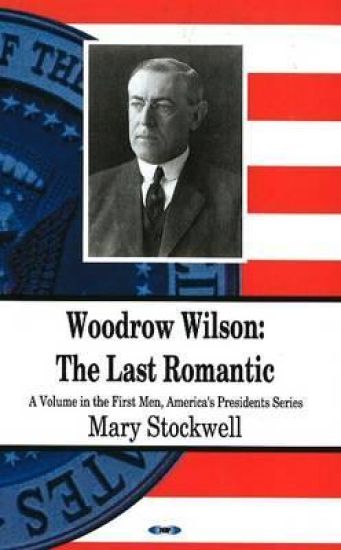
Woodrow Wilson

Mary Stockwell

Nova Science Publishers Inc
2008
nidottu
While most biographers paint Woodrow Wilson as an uncompromising intellectual who failed to win America's entrance into the League of Nations, Mary Stockwell's book portrays our 28th President as a man shaped first and foremost by his emotions and his imagination. From the time he first played that he was a great hero chasing pirates on the imaginary seas of his childhood until he fell from grace along with his failed league, Woodrow Wilson was, above all else, a romantic. He believed if he could imagine the best possible future for all mankind, then he need only sail forth toward it and surely everyone would follow him. It was this spirit that led him first into the law, then academics, and finally politics. This same spirit helped him craft a vision of democracy as a noble enterprise whose ideals must be practised in all phases of modern life. To understand our world today, we must understand the vision that made it. To understand this vision, we must seek out the man who first dream it. That man was Woodrow Wilson, the "last romantic" to dream that a better world was possible simply by imagining it.