Kirjojen hintavertailu. Mukana 11 699 587 kirjaa ja 12 kauppaa.

Kirjahaku

Etsi kirjoja tekijän nimen, kirjan nimen tai ISBN:n perusteella.

13 kirjaa tekijältä Massimo Montanari

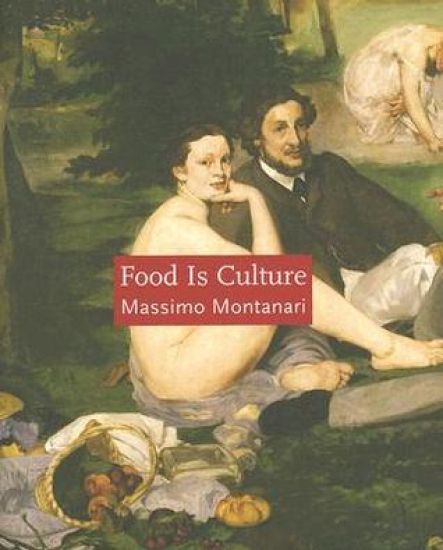
Food Is Culture

Food Is Culture

Massimo Montanari

Columbia University Press
2006
sidottu
Elegantly written by a distinguished culinary historian, Food Is Culture explores the innovative premise that everything having to do with food-its capture, cultivation, preparation, and consumption-represents a cultural act. Even the "choices" made by primitive hunters and gatherers were determined by a culture of economics (availability) and medicine (digestibility and nutrition) that led to the development of specific social structures and traditions. Massimo Montanari begins with the "invention" of cooking which allowed humans to transform natural, edible objects into cuisine. Cooking led to the creation of the kitchen, the adaptation of raw materials into utensils, and the birth of written and oral guidelines to formalize cooking techniques like roasting, broiling, and frying. The transmission of recipes allowed food to acquire its own language and grow into a complex cultural product shaped by climate, geography, the pursuit of pleasure, and later, the desire for health. In his history, Montanari touches on the spice trade, the first agrarian societies, Renaissance dishes that synthesized different tastes, and the analytical attitude of the Enlightenment, which insisted on the separation of flavors. Brilliantly researched and analyzed, he shows how food, once a practical necessity, evolved into an indicator of social standing and religious and political identity. Whether he is musing on the origins of the fork, the symbolic power of meat, cultural attitudes toward hot and cold foods, the connection between cuisine and class, the symbolic significance of certain foods, or the economical consequences of religious holidays, Montanari's concise yet intellectually rich reflections add another dimension to the history of human civilization. Entertaining and surprising, Food Is Culture is a fascinating look at how food is the ultimate embodiment of our continuing attempts to tame, transform, and reinterpret nature.
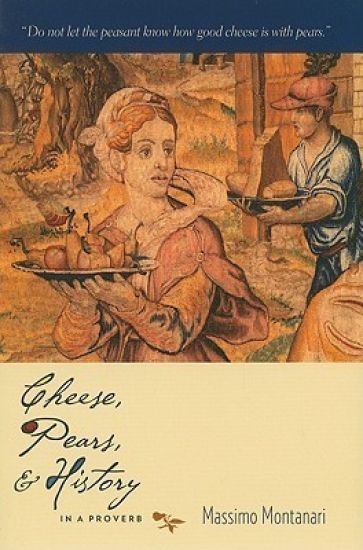
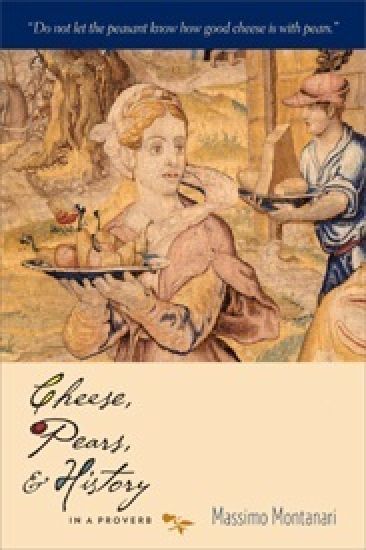
Cheese, Pears, and History in a Proverb

Cheese, Pears, and History in a Proverb

Massimo Montanari

Columbia University Press
2010
sidottu
"Do not let the peasant know how good cheese is with pears" goes the old saying. Intrigued by these words and their portent, Massimo Montanari unravels their origin and utility. Perusing archival cookbooks, agricultural and dietary treatises, literary works, and anthologies of beloved sayings, he finds in the nobility's demanding palates and delicate stomachs a compelling recipe for social conduct. At first, cheese and its visceral, earthy pleasures were treated as the food of Polyphemus, the uncivilized man-beast. The pear, on the other hand, became the symbol of ephemeral, luxuriant pleasure-an indulgence of the social elite. Joined together, cheese and pears adopted an exclusive savoir faire, especially as the "natural phenomenon" of taste evolved into a cultural attitude. Montanari's delectable history straddles written and oral traditions, economic and social relations, and thrills in the power of mental representation. His ultimate discovery shows that the enduring proverb, so wrapped up in history, operates not only as a repository of shared wisdom but also as a rich locus of social conflict.
Cheese, Pears, and History in a Proverb

Cheese, Pears, and History in a Proverb

Massimo Montanari

Columbia University Press
2012
pokkari
"Do not let the peasant know how good cheese is with pears" goes the old saying. Intrigued by these words and their portent, Massimo Montanari unravels their origin and utility. Perusing archival cookbooks, agricultural and dietary treatises, literary works, and anthologies of beloved sayings, he finds in the nobility's demanding palates and delicate stomachs a compelling recipe for social conduct. At first, cheese and its visceral, earthy pleasures were treated as the food of Polyphemus, the uncivilized man-beast. The pear, on the other hand, became the symbol of ephemeral, luxuriant pleasure-an indulgence of the social elite. Joined together, cheese and pears adopted an exclusive savoir faire, especially as the "natural phenomenon" of taste evolved into a cultural attitude. Montanari's delectable history straddles written and oral traditions, economic and social relations, and thrills in the power of mental representation. His ultimate discovery shows that the enduring proverb, so wrapped up in history, operates not only as a repository of shared wisdom but also as a rich locus of social conflict.
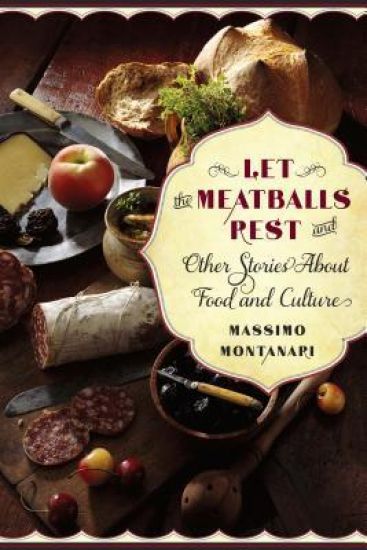
Let the Meatballs Rest

Let the Meatballs Rest

Massimo Montanari

Columbia University Press
2012
sidottu
Known for his entertaining investigations into culinary practice, Massimo Montanari turns his hungry eye to the phenomenon of food culture, food lore, cooking methods, and eating habits throughout history. An irresistible buffet of one hundred concise and engaging essays, this collection provides stimulating food for thought for those curious about one of life's most fundamental pleasures. Focusing on the selection, preparation, and mythology of food, Montanari traverses such subjects as the status of the pantry over the centuries, the various strategies of cooking over time, the gastronomy of famine, the science of flavors, the changing characteristics of convivial rituals, the customs of the table, and the ever-evolving identity of food. He shows that cooking not only is a decisive part of our cultural heritage but also communicates essential information about our material and intellectual well-being. From the invention of basic bread making to chocolate's reputation for decadence, Montanari positions food culture as a lens through which we can plot changes in historical values and social and economic trends. Even the biblical tale of Jacob buying Esau's birthright for a bowl of lentils is a text full of essential meaning, representing civilization's important shift from a hunting to an agrarian society. Readers of all backgrounds will enjoy these delectable insights and their easy consumption in one companionable volume.
Let the Meatballs Rest

Let the Meatballs Rest

Massimo Montanari

Columbia University Press
2015
pokkari
Known for his entertaining investigations into culinary practice, Massimo Montanari turns his hungry eye to the phenomenon of food culture, food lore, cooking methods, and eating habits throughout history. An irresistible buffet of one hundred concise and engaging essays, this collection provides stimulating food for thought for those curious about one of life's most fundamental pleasures. Focusing on the selection, preparation, and mythology of food, Montanari traverses such subjects as the status of the pantry over the centuries, the various strategies of cooking over time, the gastronomy of famine, the science of flavors, the changing characteristics of convivial rituals, the customs of the table, and the ever-evolving identity of food. He shows that cooking not only is a decisive part of our cultural heritage but also communicates essential information about our material and intellectual well-being. From the invention of basic bread making to chocolate's reputation for decadence, Montanari positions food culture as a lens through which we can plot changes in historical values and social and economic trends. Even the biblical tale of Jacob buying Esau's birthright for a bowl of lentils is a text full of essential meaning, representing civilization's important shift from a hunting to an agrarian society. Readers of all backgrounds will enjoy these delectable insights and their easy consumption in one companionable volume.
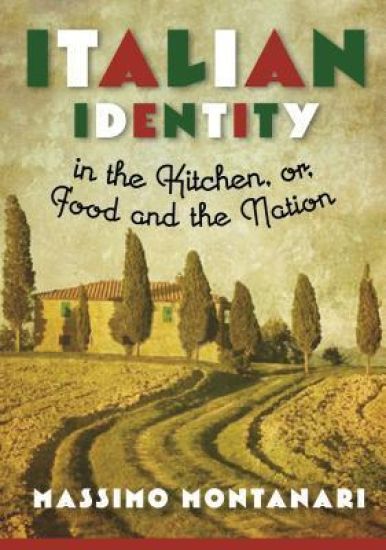
Italian Identity in the Kitchen, or Food and the Nation

Italian Identity in the Kitchen, or Food and the Nation

Massimo Montanari

Columbia University Press
2013
sidottu
Massimo Montanari draws readers into the far-flung story of how local and global influences came to flavor Italian identity. The fusion of ancient Roman cuisine-which consisted of bread, wine, and olives-with the barbarian diet-rooted in bread, milk, and meat-first formed the basics of modern eating across Europe. From there, Montanari highlights the importance of the Italian city in the development of gastronomic taste in the Middle Ages, the role of Arab traders in positioning the country as the supreme producers of pasta, and the nation's healthful contribution of vegetables to the fifteenth-century European diet. Italy became a receiving country with the discovery of the New World, absorbing corn, potatoes, and tomatoes into its national cuisine. As disaster dispersed Italians in the nineteenth century, new immigrant stereotypes portraying Italians as "macaroni eaters" spread. However, two world wars and globalization renewed the perception of Italy and its culture as unique in the world, and the production of food constitutes an important part of that uniqueness.
Medieval Tastes

Medieval Tastes

Massimo Montanari

Columbia University Press
2015
sidottu
In his new history of food, acclaimed historian Massimo Montanari traces the development of medieval tastes-both culinary and cultural-from raw materials to market and captures their reflections in today's food trends. Tying the ingredients of our diet evolution to the growth of human civilization, he immerses readers in the passionate debates and bold inventions that transformed food from a simple staple to a potent factor in health and a symbol of social and ideological standing. Montanari returns to the prestigious Salerno school of medicine, the "mother of all medical schools," to plot the theory of food that took shape in the twelfth century. He reviews the influence of the Near Eastern spice routes, which introduced new flavors and cooking techniques to European kitchens, and reads Europe's earliest cookbooks, which took cues from old Roman practices that valued artifice and mixed flavors. Dishes were largely low-fat, and meats and fish were seasoned with vinegar, citrus juices, and wine. He highlights other dishes, habits, and battles that mirror contemporary culinary identity, including the refinement of pasta, polenta, bread, and other flour-based foods; the transition to more advanced cooking tools and formal dining implements; the controversy over cooking with oil, lard, or butter; dietary regimens; and the consumption and cultural meaning of water and wine. As people became more cognizant of their physicality, individuality, and place in the cosmos, Montanari shows, they adopted a new attitude toward food, investing as much in its pleasure and possibilities as in its acquisition.
Medieval Tastes

Medieval Tastes

Massimo Montanari

Columbia University Press
2018
pokkari
In his new history of food, acclaimed historian Massimo Montanari traces the development of medieval tastes-both culinary and cultural-from raw materials to market and captures their reflections in today's food trends. Tying the ingredients of our diet evolution to the growth of human civilization, he immerses readers in the passionate debates and bold inventions that transformed food from a simple staple to a potent factor in health and a symbol of social and ideological standing. Montanari returns to the prestigious Salerno school of medicine, the "mother of all medical schools," to plot the theory of food that took shape in the twelfth century. He reviews the influence of the Near Eastern spice routes, which introduced new flavors and cooking techniques to European kitchens, and reads Europe's earliest cookbooks, which took cues from old Roman practices that valued artifice and mixed flavors. Dishes were largely low-fat, and meats and fish were seasoned with vinegar, citrus juices, and wine. He highlights other dishes, habits, and battles that mirror contemporary culinary identity, including the refinement of pasta, polenta, bread, and other flour-based foods; the transition to more advanced cooking tools and formal dining implements; the controversy over cooking with oil, lard, or butter; dietary regimens; and the consumption and cultural meaning of water and wine. As people became more cognizant of their physicality, individuality, and place in the cosmos, Montanari shows, they adopted a new attitude toward food, investing as much in its pleasure and possibilities as in its acquisition.
The Culture of Food

The Culture of Food

Massimo Montanari

Blackwell Publishers
1996
nidottu
This book is about the history of food in Europe and the part it has played in the evolution of the European cultures over two millennia. It has been a driving force in national and imperial ambition, the manner of its production and consumption a means by which the identity and status of regions, classes and individuals have been and still are expressed. In this wide-ranging exploration of its history the author weaves deftly between the classes, regions and nations of Europe, between the habits of late antiquity and the problems of modernity. He examines the interlinked evolutions of consumption, production and taste, to show both what these reveal of the varied cultures and peoples of Europe in the past and what they suggest about the present.
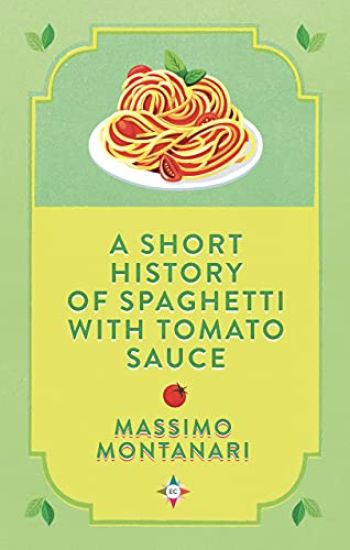
A Short History of Spaghetti with Tomato Sauce

A Short History of Spaghetti with Tomato Sauce

Massimo Montanari

Europa Compass
2021
sidottu
Intellectually engaging and deliciously readable, a stereotype-defying history of how one of the most recognisable symbols of Italian cuisine and national identity is the product of centuries of encounters, dialogue, and exchange.Is it possible to identify a starting point in history from which everything else unfolds--a single moment that can explain the present and reveal the essence of our identities? According to Massimo Montanari, this is just a myth: by themselves, origins explain very little and historical phenomena can only be understood dynamically--by looking at how events and identities develop and change as a result of encounters and combinations that are often unexpected.As Montanari shows in this lively, brilliant, and surprising essay, all you need to debunk the "origins myth" is a plate of spaghetti. By tracing the history of the one of Italy's "national dishes"--from Asia to America, from Africa to Europe; from the beginning of agriculture to the Middle Ages and up to the 20th century--he shows that in order to understand who we are (our identity) we almost always need to look beyond ourselves to other cultures, peoples, and traditions.
A Short History of Spaghetti with Tomato Sauce

A Short History of Spaghetti with Tomato Sauce

Massimo Montanari

Europa Compass
2021
sidottu
THE MYTHS SURROUNDING THE WORLD’S FAVOURITE DISH, DEBUNKED Did Marco Polo bring pasta back from China, or is that a myth? How did the Neapolitan “macharoni” turn into the ubiquitous spaghetti? Is it even an Italian dish? Hundreds of shapes and thousands of recipes give expression to the culture and products of the country’s regions. But spaghetti with tomato sauce remains Italy’s identity dish par excellence. Massimo Montanari goes in search of the dish’s true origins, tracing its history along the multiple, intricate routes taken by its raw ingredients to merge and become a distinctive element of culinary tradition. It took almost two thousand years and input from the Far East, the Arabic world, and the Americas, for the dish to take centre stage. Its development is the result of chance encounters, unplanned exchanges, and unpredictable intersections. As we dig in search of spaghetti’s origins, we find its strands wrap right around the world. “Learned and entertaining.”–Il Giornale
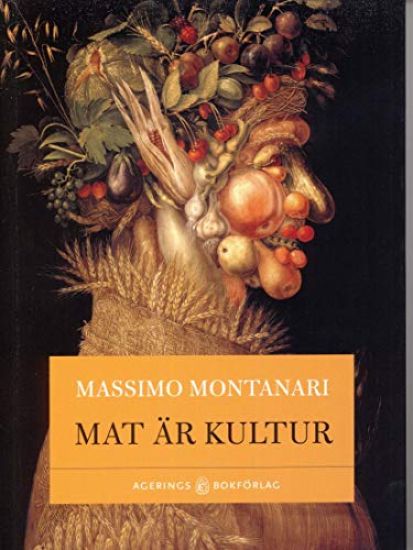
Mat är kultur

Mat är kultur

Massimo Montanari

Agerings Bokförlag
2010
nidottu
Vi pratar ofta om mat i termer av naturlighet, men det finns enligt Massimo Montanari ingenting naturligt med mat. Maten vi äter är i alla avseenden en kulturell produkt. Maten är kultur efetersom den har skapat och format vår värld. Den är kultur när den produceras, när den tillagas och när den konsumeras. Maten är en produkt av vår identitet och ett medel för att uttrycka och kommunicera den. Att baka bröd, att konservera frukt, att duka bordet ja, alla handlingar knutna till mat även den enklaste och vardagligaste bär med sig en historia som uttrycker en komplex kultur. Montanari späckar sina resonemang med anekdoter från den västerländska historien. Ett exempel: Pasta med tomatsås betraktas idag som en typisk italiens matträtt. Men om vi benar ut rättens historiska rötter framträder en bild av det lyckade mötet mellan en arabisk produktionsteknik som utarbetades i det medeltida Sicilien och en amerikansk råvara som importerades till Europa av de spanska conquistadorerna.