Kirjojen hintavertailu. Mukana 12 016 292 kirjaa ja 12 kauppaa.

Kirjahaku

Etsi kirjoja tekijän nimen, kirjan nimen tai ISBN:n perusteella.

5 kirjaa tekijältä Mathias Clasen

Why Horror Seduces

Why Horror Seduces

Mathias Clasen

Oxford University Press Inc
2017
sidottu
From vampire apocalypses, shark attacks, witches, and ghosts, to murderous dolls bent on revenge, horror has been part of the American cinematic imagination for almost as long as pictures have moved on screens. But why do they captivate us so? What is the drive to be frightened, and why is it so perennially popular? Why Horror Seduces addresses these questions through evolutionary social sciences. Explaining the functional seduction of horror entertainment, this book draws on cutting-edge findings in the evolutionary social sciences, showing how the horror genre is a product of human nature. Integrating the study of horror with the sciences of human nature, the book claims that horror entertainment works by targeting humans' adaptive tendency to find pleasure in make-believe, allowing a high intensity experience within a safe context. Through analyses of well-known and popular modern American works of horror--Rosemary's Baby; The Shining; I Am Legend; Jaws; and several others--author Mathias Clasen illustrates how these works target evolved cognitive and emotional mechanisms; we are attracted to horrifying entertainment because we have an adaptive tendency to find pleasure in make-believe that allows us to experience negative emotions at high levels of intensity within a safe context. Organized into three parts identifying fictional works by evolutionary mode - the evolution of horror; evolutionary interpretations of horror; the future of horror - Why Horror Seduces succinctly explores the cognitive processes behind spectators' need to scream.
Why Horror Seduces

Why Horror Seduces

Mathias Clasen

Oxford University Press Inc
2017
nidottu
From vampire apocalypses, shark attacks, witches, and ghosts, to murderous dolls bent on revenge, horror has been part of the American cinematic imagination for almost as long as pictures have moved on screens. But why do they captive us so? What is the drive to be frightened, and why is it so perennially popular? Why Horror Seduces addresses these questions through evolutionary social sciences. Explaining the functional seduction of horror entertainment, this book draws on cutting-edge findings in the evolutionary social sciences, showing how the horror genre is a product of human nature. Integrating the study of horror with the sciences of human nature, the book claims that horror entertainment works by targeting humans' adaptive tendency to find pleasure in make-believe, allowing a high intensity experience within a safe context. Through analyses of well-known and popular modern American works of horror--Rosemary's Baby; The Shining; I Am Legend; Jaws; and several others--author Mathias Clasen illustrates how these works target evolved cognitive and emotional mechanisms; we are attracted to horrifying entertainment because we have an adaptive tendency to find pleasure in make-believe that allows us to experience negative emotions at high levels of intensity within a safe context. Organized into three parts identifying fictional works by evolutionary mode - the evolution of horror; evolutionary interpretations of horror; the future of horror - Why Horror Seduces succinctly explores the cognitive processes behind spectators' need to scream.
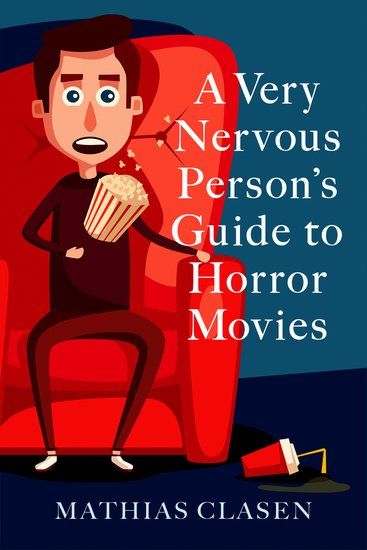
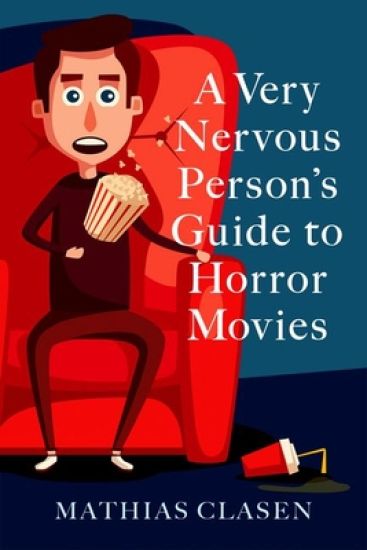
A Very Nervous Person's Guide to Horror Movies

A Very Nervous Person's Guide to Horror Movies

Mathias Clasen

Oxford University Press Inc
2022
sidottu
Why your worst nightmares about watching horror movies are unfounded Films about chainsaw killers, demonic possession, and ghostly intruders make some of us scream with joy. But while horror fans are attracted to movies designed to scare us, others shudder already at the thought of the sweat-drenched nightmares that terrifying movies often trigger. The fear of sleepless nights and the widespread beliefs that horror movies can have negative psychological effects and display immorality make some of us very, very nervous about them. But should we be concerned? In this book, horror-expert Mathias Clasen delves into the psychological science of horror cinema to bust some of the worst myths and correct the biggest misunderstandings surrounding the genre. In short and highly readable chapters peppered with vivid anecdotes and examples, he addresses the nervous person's most pressing questions: What are the effects of horror films on our mental and physical health? Why do they often cause nightmares? Aren't horror movies immoral and a bad influence on children and adolescents? Shouldn't we be concerned about what the current popularity of horror movies says about society and its values? While media psychologists have demonstrated that horror films indeed have the potential to harm us, Clasen reveals that the scientific evidence also contains a second story that is often overlooked: horror movies can also help us confront and manage fear and often foster prosocial values.
A Very Nervous Person's Guide to Horror Movies

A Very Nervous Person's Guide to Horror Movies

Mathias Clasen

Oxford University Press Inc
2022
nidottu
Why your worst nightmares about watching horror movies are unfounded Films about chainsaw killers, demonic possession, and ghostly intruders make some of us scream with joy. But while horror fans are attracted to movies designed to scare us, others shudder already at the thought of the sweat-drenched nightmares that terrifying movies often trigger. The fear of sleepless nights and the widespread beliefs that horror movies can have negative psychological effects and display immorality make some of us very, very nervous about them. But should we be concerned? In this book, horror-expert Mathias Clasen delves into the psychological science of horror cinema to bust some of the worst myths and correct the biggest misunderstandings surrounding the genre. In short and highly readable chapters peppered with vivid anecdotes and examples, he addresses the nervous person's most pressing questions: What are the effects of horror films on our mental and physical health? Why do they often cause nightmares? Aren't horror movies immoral and a bad influence on children and adolescents? Shouldn't we be concerned about what the current popularity of horror movies says about society and its values? While media psychologists have demonstrated that horror films indeed have the potential to harm us, Clasen reveals that the scientific evidence also contains a second story that is often overlooked: horror movies can also help us confront and manage fear and often foster prosocial values.
Monstre

Monstre

Mathias Clasen

AARHUS UNIVERSITY PRESS
2012
nidottu
Paradoksalt nok elsker vi fiktionens gys og den pirrende skrAek, den udloser i os, uanset om det er i form af boger om forforeriske vampyrer eller film om morderiske aliens. Det mest slaende ved overnaturlige monstre er selvfolgelig, at de ikke findes i virkeligheden. Ikke desto mindre bliver vi ved med at fortAelle hinanden historier om spogelser og uhyrer. Faktisk reagerer vi ens pa tvAers af kulturer, nar vi ser en gyserfilm. Denne ens reaktion pa gru er der en god forklaring pa, som man finder ved at kigge pa vores evolutionshistorie.Gru-forsker Mathias Clasen viser i bogen Monstre, at vi faktisk har brug for de opdigtede rAedselshistorier, fordi de er et resultat af evolutionen. I millioner af ar levede vi nemlig side om side med virkelige, sultne monstre, som havde menneske pa menuen. Derfor har vores forhistoriske tilvAerelse som jaget vildt sat sig dybe spor i vores dna. Vores evne til at vagne pa et splitsekund med alle sanser skAerpet har udgjort forskellen pa liv og dod for vores forfAedre. Sa bag vores rationelle, moderne hjerner gemmer der sig en forskrAekket primat, som gyser ved synet af lysende ojne og glinsende hugtAender i tusmorket - prAecis som vi gor i biografens morke, nar monstret maser sig ind pa helten.Monstre en er del af serien 'TAenkepauser', der lanceres i samarbejde med DR, Jyllands-Posten, Litteratursiden.dk og bibliotekerne.