Kirjojen hintavertailu. Mukana 12 016 292 kirjaa ja 12 kauppaa.

Kirjahaku

Etsi kirjoja tekijän nimen, kirjan nimen tai ISBN:n perusteella.

4 kirjaa tekijältä Matteo Dian

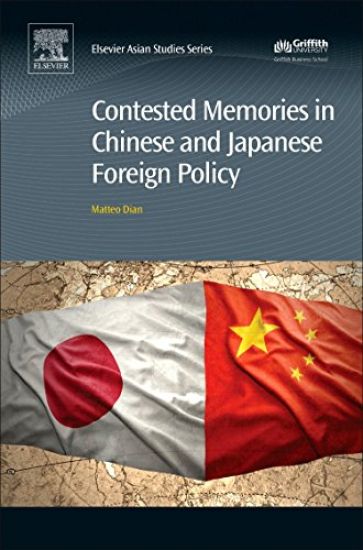
Contested Memories in Chinese and Japanese Foreign Policy

Contested Memories in Chinese and Japanese Foreign Policy

Matteo Dian

Chandos Publishing (Oxford) Ltd
2017
sidottu
Contested Memories in Chinese and Japanese Foreign Policy explores the issue of memory and lack of reconciliation in East Asia. As main East Asian nations have never achieved a common memory of their pasts, in particular, the events of the Second World War and Sino-Japanese War, this book locates the issue of memory within International Relations theory, exploring the theoretical and practical link between the construction of a country’s identity and the formation and contestation of its historical memory and foreign policy.
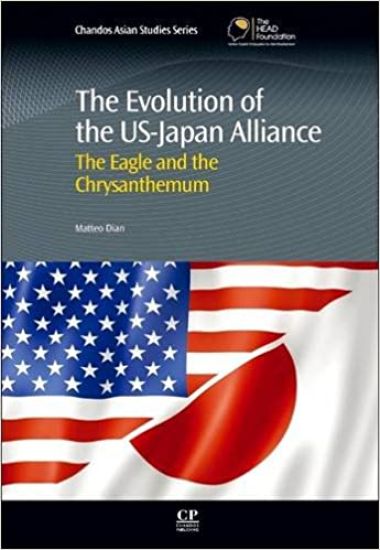
The Evolution of the US-Japan Alliance

The Evolution of the US-Japan Alliance

Matteo Dian

Chandos Publishing (Oxford) Ltd
2014
sidottu
The US-Japan alliance has contributed significantly towards the development of the Japanese security strategy. The Evolution of the US-Japan Alliance explores developments in the alliance between the US and Japan and analyzes the transformation of the Japanese security strategy from 1960 to 2013. It also describes the rise and the decline of Japanese pacifism and of the Yoshida Doctrine, the post war security strategy. Moreover, this book highlights how the end of the Cold War forced Japan to rethink its security strategy and post war pacifism. Japan has abandoned its identity of “peaceful nation?, turning itself into a “normal national?, drawing closer to the United States.
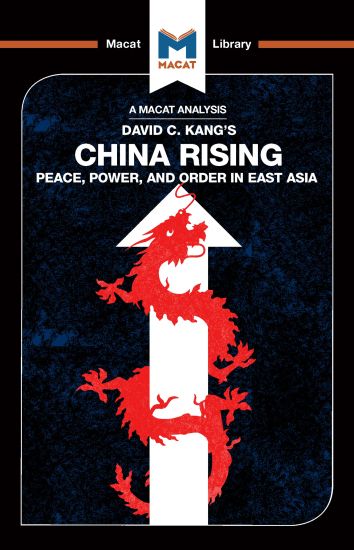
An Analysis of David C. Kang's China Rising

An Analysis of David C. Kang's China Rising

Matteo Dian

Macat International Limited
2017
nidottu
A critical analysis of David C. Kang’s China Rising, which is a fine example of an author making use of creative thinking skills to reach a conclusion that flies in the face of traditional thinking.The conventional view that the book opposed, known in international relations as ‘realism,’ was that the rise of any new global power results in global or regional instability. As such, China’s development as a world economic powerhouse worried mainstream western geopolitical scholars, whose concerns were based on the realist assumption that individual countries will inevitably compete for dominance. Evaluating these arguments, and finding both their relevance and adequacy wanting, Kang instead turned traditional thinking on its head by looking at Asian history without preconceptions, and with analytical open-mindedness.Producing several novel explanations for existing evidence, Kang concludes that China’s neighbors do not want to compete with it in the way that realist interpretations predict. Rather than creating instability by jockeying for position, he argues, surrounding countries are happy for China to be acknowledged as a leader, believing that its dominant position will stabilize Asia, and give the whole region more of a hand in international relations. Though critics have taken issue with Kang’s conclusions, his paradigm-shifting approach is nevertheless an excellent example of developing fresh new conclusions through creative thinking.
China Rising

China Rising

Matteo Dian

Macat International Limited
2017
sidottu
A critical analysis of David C. Kang’s China Rising, which is a fine example of an author making use of creative thinking skills to reach a conclusion that flies in the face of traditional thinking.The conventional view that the book opposed, known in international relations as ‘realism,’ was that the rise of any new global power results in global or regional instability. As such, China’s development as a world economic powerhouse worried mainstream western geopolitical scholars, whose concerns were based on the realist assumption that individual countries will inevitably compete for dominance. Evaluating these arguments, and finding both their relevance and adequacy wanting, Kang instead turned traditional thinking on its head by looking at Asian history without preconceptions, and with analytical open-mindedness.Producing several novel explanations for existing evidence, Kang concludes that China’s neighbors do not want to compete with it in the way that realist interpretations predict. Rather than creating instability by jockeying for position, he argues, surrounding countries are happy for China to be acknowledged as a leader, believing that its dominant position will stabilize Asia, and give the whole region more of a hand in international relations. Though critics have taken issue with Kang’s conclusions, his paradigm-shifting approach is nevertheless an excellent example of developing fresh new conclusions through creative thinking.