
Kirjahaku
Etsi kirjoja tekijän nimen, kirjan nimen tai ISBN:n perusteella.
14 kirjaa tekijältä Matthew Campbell
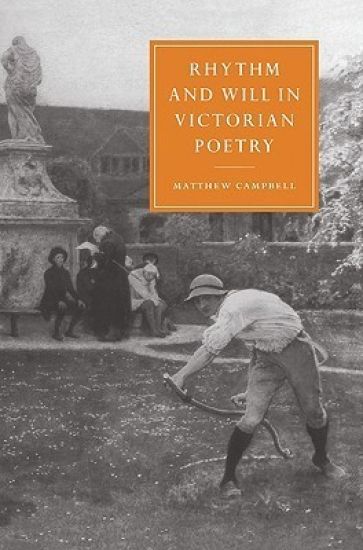
In Rhythm and Will in Victorian Poetry, Matthew Campbell explores the work of four Victorian poets - Tennyson, Browning, Hopkins and Hardy - as they show a consistent and innovative concern with questions of human agency and will. The Victorians saw the virtues attendant upon a strong will as central to themselves and to their culture, and Victorian poetry strove to find an aesthetic form to represent this sense of the human will. Through close study of the metre, rhyme and rhythm of a wide range of poems - including monologue, lyric and elegy - Campbell reveals how closely technical questions of poetics are related, in the work of these poets, to issues of psychology, ethics and social change. He goes on to discuss more general questions of poetics, and the implications of the achievement of the Victorian poets in a wider context, from Milton through Romanticism and into contemporary critical debate.
In Rhythm and Will in Victorian Poetry, first published in 1999, Matthew Campbell explores the work of four Victorian poets - Tennyson, Browning, Hopkins and Hardy - as they show a consistent and innovative concern with questions of human agency and will. The Victorians saw the virtues attendant upon a strong will as central to themselves and to their culture, and Victorian poetry strove to find an aesthetic form to represent this sense of the human will. Through close study of the metre, rhyme and rhythm of a wide range of poems - including monologue, lyric and elegy - Campbell reveals how closely technical questions of poetics are related, in the work of these poets, to issues of psychology, ethics and social change. He goes on to discuss more general questions of poetics, and the implications of the achievement of the Victorian poets in a wider context, from Milton through Romanticism and into contemporary critical debate.
The Man Who Stole the Gods: A True Story of War, Obsession, and a Global Art Conspiracy
Matthew Campbell
PORTFOLIO
2026
sidottu
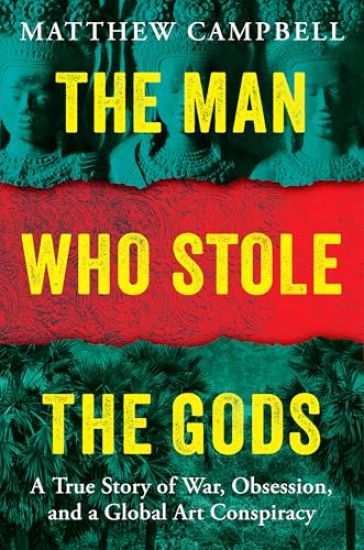
From the Killing Fields of Cambodia to the gilded halls of New York's Metropolitan Museum of Art, a tale of stolen treasures and the battle to reclaim a nation's soul. Amidst the chaos of Cambodia's brutal genocide, a new crime wave emerged--one that would sweep across borders and entangle the world's most prestigious art institutions. Priceless treasures of the ancient Khmer Empire, the civilization that produced Angkor Wat, vanished from sacred temples, looted by smugglers and trafficked into the hands of elite collectors. At the center of it all was a man named Douglas Latchford. Known later as "Dynamite Doug" for the ruthless methods used to extract statues from temple ruins, Latchford orchestrated one of history's most audacious cultural heists. From dusty Cambodian villages to the glittering auction houses of London and New York and institutions like the Met, he played a double game--posing as an expert on Khmer art while secretly flooding the market with stolen antiquities. In The Man Who Stole the Gods, award-winning journalist Matthew Campbell unravels the gripping story of Latchford's criminal enterprise, and a global conspiracy of greed and collusion--one that involves some of the world's most powerful museums and collectors. A masterful blend of true crime, history, and investigative journalism, The Man Who Stole the Gods is the definitive account of one man's greed, an industry's complicity, and the fight to expose the truth and restore stolen treasures to their rightful home.
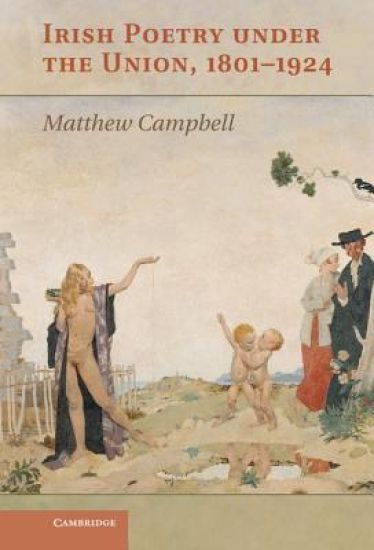
This book retells the story of Irish poetry written in English between the union of Britain and Ireland in 1801 and the early years of the Irish Free State. Through careful poetic and historical analysis, Matthew Campbell offers ways to read that poetry as ruptured, musical, translated and new. The book starts with the Romantic songs and parodies of nationalist and unionist writers - Moore, Mahony, Ferguson and Mangan - in times of defeat, resurgence and famine. It continues through a discussion of English Victorian poets such as Tennyson, Arnold and Hopkins, who wrote Irish poems as the British Empire unraveled. Campbell's treatment ends with Yeats, seeking a new poetry emerging from under union in times of violence and civil war. The book offers both a literary history of nineteenth-century Irish poetry and a way of reading it for scholars of Irish studies as well as Romantic and Victorian literature.
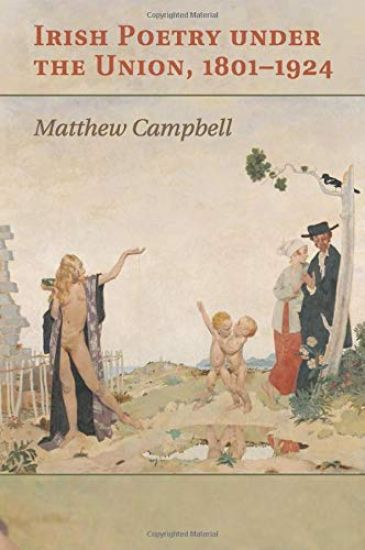
This book retells the story of Irish poetry written in English between the union of Britain and Ireland in 1801 and the early years of the Irish Free State. Through careful poetic and historical analysis, Matthew Campbell offers ways to read that poetry as ruptured, musical, translated and new. The book starts with the Romantic songs and parodies of nationalist and unionist writers - Moore, Mahony, Ferguson and Mangan - in times of defeat, resurgence and famine. It continues through a discussion of English Victorian poets such as Tennyson, Arnold and Hopkins, who wrote Irish poems as the British Empire unraveled. Campbell's treatment ends with Yeats, seeking a new poetry emerging from under union in times of violence and civil war. The book offers both a literary history of nineteenth-century Irish poetry and a way of reading it for scholars of Irish studies as well as Romantic and Victorian literature.
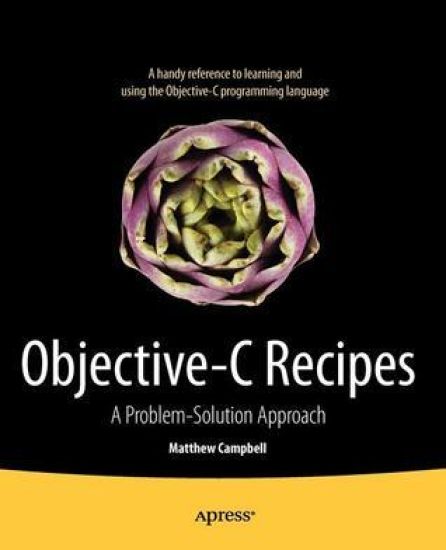
Objective-C Recipes provides a problem solution approach for dealing with key aspects of Objective-C programming, ensuring you have the indispensable reference you need to successfully execute common programming tasks. You will see how to use the unique features of the Objective-C programming language, the helpful features of the Foundation framework, and the benefits of using Objective-J as an alternative. Solutions are available for a range of problems, including: Application development with Xcode Working with strings, numbers and object collections Using foundation classes like NSArray, NSString, NSData and more Dealing with threads, multi-core processing and asynchronous processing Building applications that take advantage of dates and timers and memory management How to use Objective-C on other platforms Objective-C Recipes is an essential reference for every Objective-C programmer, and offers solutions in a concise and easy-to-follow manner. Matthew Campbell has trained over 800 new iOS developers at the Mobile App Mastery Institute and iOS Code Camp, and here brings his expertise to offer you the ability to use and exploit Objective-C to get the most out of all of your projects.
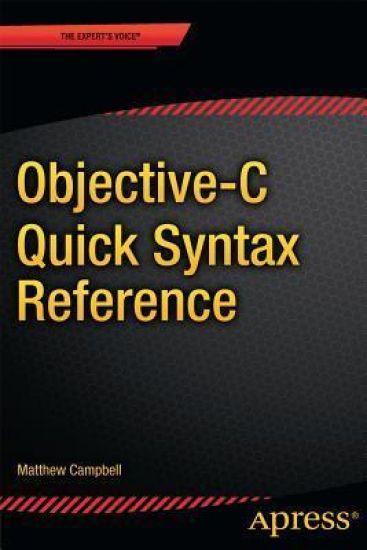
The Objective-C Quick Syntax Reference is a condensed code and syntax reference to the popular Objective-C programming language, which is the core language behind the APIs found in the Apple iOS and Mac OS SDKs. It presents the essential Objective-C syntax in a well-organized format that can be used as a handy reference. You won’t find any technical jargon, bloated samples, drawn out history lessons, or witty stories in this book. What you will find is a language reference that is concise, to the point and highly accessible. The book is packed with useful information and is a must-have for any Objective-C programmer. In the Objective-C Quick Syntax Reference, you will find: A concise reference to the Objective-C language syntax. Short, simple, and focused code examples. A well laid out table of contents and a comprehensive index allowing easy review.
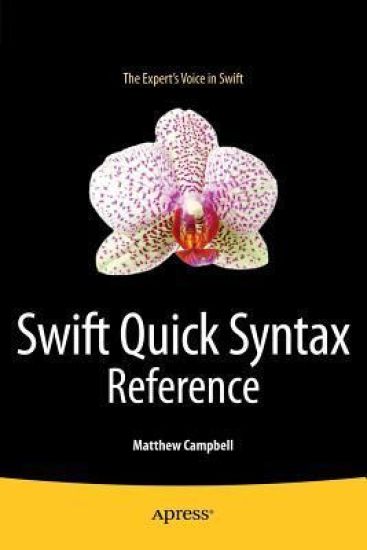
Swift Quick Syntax Reference is a condensed code and syntax reference to the new Apple Swift programming language, which is the alternative new programming language alongside Objective-C behind the APIs found in the Apple iOS SDK 8 and OS X Yosemite SDK. It presents the essential Swift syntax in a well-organized format that can be used as a handy reference.You won’t find any technical jargon, bloated samples, drawn out history lessons, or witty stories in this book. What you will find is a language reference that is concise, to the point, and highly accessible. The book is packed with useful information and is a must-have for any Swift programmer.In the Swift Quick Syntax Reference, you will find a concise reference to the Swift language syntax using the new Playgrounds. Playgrounds lets you type a line of code and the result appears immediately.

Discover how to use the popular RStudio IDE as a professional tool that includes code refactoring support, debugging, and Git version control integration. This book gives you a tour of RStudio and shows you how it helps you do exploratory data analysis; build data visualizations with ggplot; and create custom R packages and web-based interactive visualizations with Shiny. In addition, you will cover common data analysis tasks including importing data from diverse sources such as SAS files, CSV files, and JSON. You will map out the features in RStudio so that you will be able to customize RStudio to fit your own style of coding.Finally, you will see how to save a ton of time by adopting best practices and using packages to extend RStudio. Learn RStudio IDE is a quick, no-nonsense tutorial of RStudio that will give you a head start to develop the insights you need in your data science projects.What YouWill LearnQuickly, effectively, and productively use RStudio IDE for building data science applicationsInstall RStudio and program your first Hello World applicationAdopt the RStudio workflow Make your code reusable using RStudioUse RStudio and Shiny for data visualization projectsDebug your code with RStudio Import CSV, SPSS, SAS, JSON, and other dataWho This Book Is ForProgrammers who want to start doing data science, but don’t know what tools to focus on to get up to speed quickly.
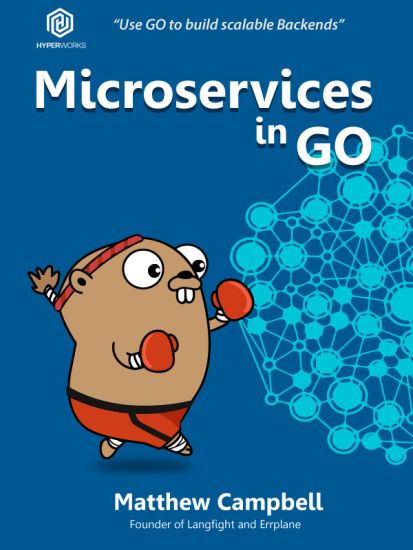
Microservices in Go teaches you how to handle advanced server side development in Go; it uses microservices to accomplish this, but is relevant to all server-side developers. The author gives you tips on how to deploy Go apps to popular cloud platforms like Amazon, Google, and Digital ocean. The book has a lot of meaty chapters, including: Queuing architectures such as Kafka, and how to practically use them Influxdb, and how to monitor production systems with metrics How to use Docker to make deployments simpler Using ETCD/Consul to do service discovery and automated failover of mysql/redis Building mobile clients on IOS and Android

Be Heart Now: Embodiment of Spirit: 60 God-given messages of truth and love
Matthew Campbell
Createspace Independent Publishing Platform
2016
nidottu
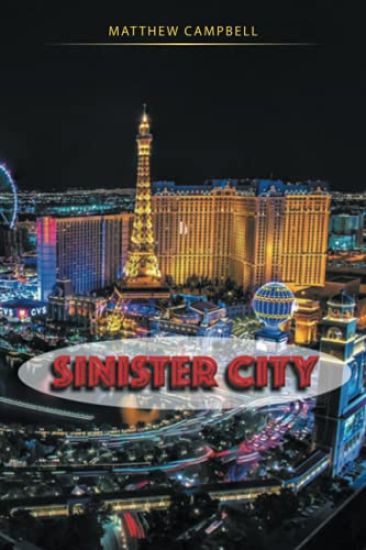
When Neal and his high school buddies go to Vegas for one last hurrah before college, they soon realize they are in for way more than they bargained for. Neal's father Ron has been a wanted man for nearly two decades by the mob after witnessing a hit in Miami. The early release of Santos; the new Don of the Milano family leads to a revenge plot against Ron. Neal and his friends soon find themselves hunted by the mob in a cat and mouse crazy ride set along the backdrop of The Vegas Strip. Sinister City is filled with raunchy comedic moments, shocking plot twists, adrenaline-filled action and hardcore Vegas shenanigans.
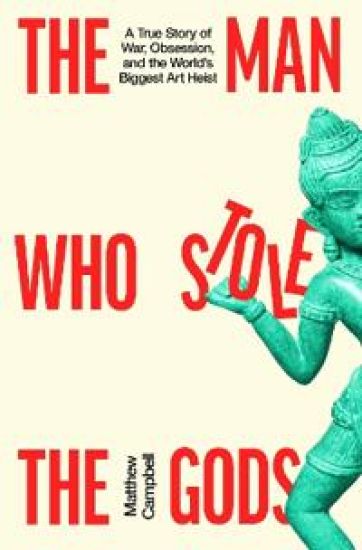
From the Killing Fields of Cambodia to the gilded halls of New York’s Metropolitan Museum of Art, a tale of stolen treasures, and the battle to reclaim a nation’s soul. Amidst the chaos of Cambodia's brutal genocide, a new crime wave emerged - one that would sweep across borders and entangle the world's most prestigious art institutions. Priceless treasures of the ancient Khmer Empire, the civilization that produced Angkor Wat, vanished from sacred temples, looted by smugglers and trafficked into the hands of elite collectors. At the center of it all was a man named Douglas Latchford. Known later as 'Dynamite Doug' for the ruthless methods used to extract statues from temple ruins, Latchford orchestrated one of history's most audacious cultural heists. From dusty Cambodian villages to the glittering auction houses of London and New York and institutions like the Met, he played a double game - posing as an expert on Khmer art while secretly flooding the market with stolen antiquities.