Kirjojen hintavertailu. Mukana 11 244 527 kirjaa ja 12 kauppaa.

Kirjahaku

Etsi kirjoja tekijän nimen, kirjan nimen tai ISBN:n perusteella.

2 kirjaa tekijältä Matthew L. Basso

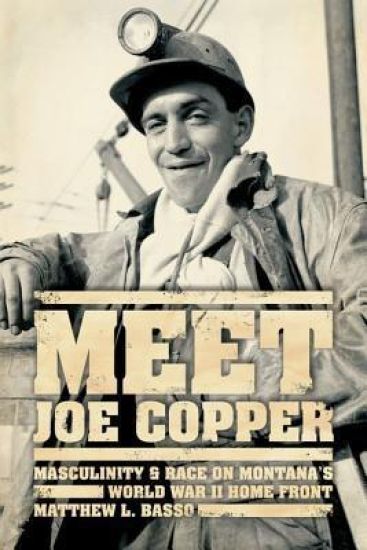
Meet Joe Copper

Meet Joe Copper

Matthew L. Basso

University of Chicago Press
2013
sidottu
"I realize that I am a soldier of production whose duties are as important in this war as those of the man behind the gun." So began the pledge that many home-front men took at the outset of World War II when they went to work in the factories, fields, and mines while their compatriots fought in the battlefields of Europe and on the bloody beaches of the Pacific. The male experience of working and living in wartime America is rarely examined, but the story of these men provides a crucial counter narrative to the national story of Rosie the Riveter and GI Joe that dominates scholarly and popular discussions of World War II. In "Meet Joe Copper", Matthew L. Basso describes the formation of a powerful, white, working-class masculine ideology in the decades prior to the war, and shows how it thrived - on the job, in the community, and through union politics. Basso recalls for us the practices and beliefs of the first- and second-generation immigrant copper workers of Montana while advancing the historical conversation on gender, class, and the formation of a white ethnic racial identity. "Meet Joe Copper" provides a context for our ideas of postwar masculinity and whiteness and finally returns the men of the home front to our reckoning of the Greatest Generation and the New Deal era.
Meet Joe Copper

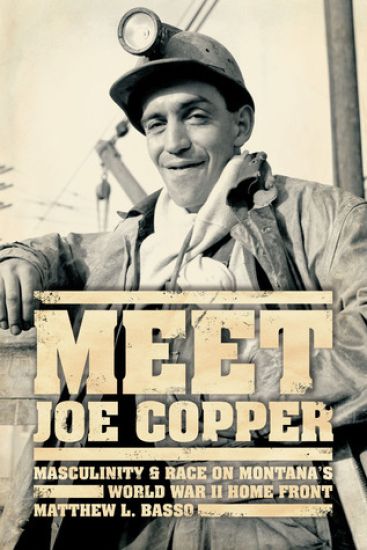
Meet Joe Copper

Matthew L. Basso

University of Chicago Press
2013
nidottu
"I realize that I am a soldier of production whose duties are as important in this war as those of the man behind the gun." So began the pledge that many home-front men took at the outset of World War II when they went to work in the factories, fields, and mines while their compatriots fought in the battlefields of Europe and on the bloody beaches of the Pacific. The male experience of working and living in wartime America is rarely examined, but the story of these men provides a crucial counter narrative to the national story of Rosie the Riveter and GI Joe that dominates scholarly and popular discussions of World War II. In "Meet Joe Copper", Matthew L. Basso describes the formation of a powerful, white, working-class masculine ideology in the decades prior to the war, and shows how it thrived - on the job, in the community, and through union politics. Basso recalls for us the practices and beliefs of the first- and second-generation immigrant copper workers of Montana while advancing the historical conversation on gender, class, and the formation of a white ethnic racial identity. "Meet Joe Copper" provides a context for our ideas of postwar masculinity and whiteness and finally returns the men of the home front to our reckoning of the Greatest Generation and the New Deal era.