Kirjojen hintavertailu. Mukana 12 016 292 kirjaa ja 12 kauppaa.

Kirjahaku

Etsi kirjoja tekijän nimen, kirjan nimen tai ISBN:n perusteella.

3 kirjaa tekijältä Matthias Barth

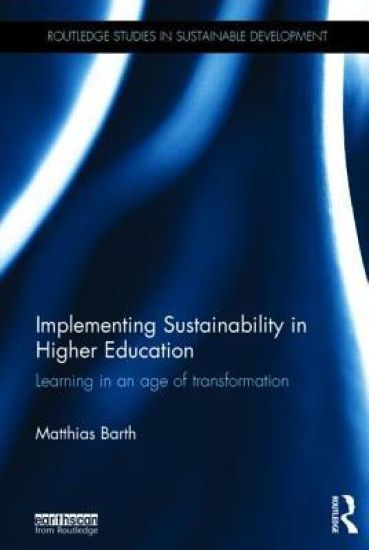
Implementing Sustainability in Higher Education
In a time of unprecedented transformation as society seeks to build a more sustainable future, education plays an increasingly central role in training key agents of change. This book asks how we can equip students and scholars with the capabilities to promote sustainability and how the higher education curriculum can be changed to facilitate the paradigm shift needed.Across the globe, a rising number of higher education institutions and academics are responding to these questions by transforming their own teaching and learning and their institutions’ curricula. This book contributes to that development by examining in-depth case studies of innovative approaches and curriculum changes at multiple levels of the education sector. Elaborating key principles of higher education for sustainable development and identifying drivers and barriers to implementing sustainability in the curriculum, the book provides a comprehensive overview of what makes higher education for sustainable development a unique field of research and practice, as well as offering a coherent narrative of how change can be effected in it.This much-needed book is a valuable resource to inform, guide and inspire students, academics, administrators and community partners, whether experienced or new to the field, whether already committed or not to higher education for sustainable development in an age of transformation.
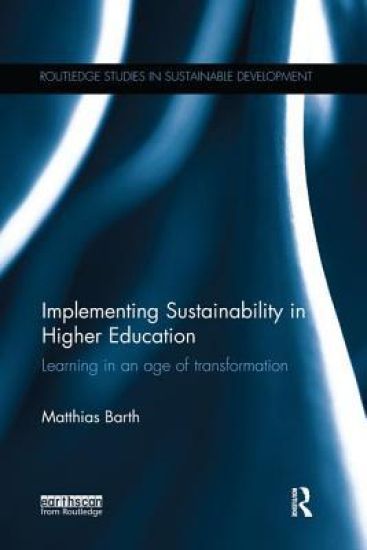
Implementing Sustainability in Higher Education
In a time of unprecedented transformation as society seeks to build a more sustainable future, education plays an increasingly central role in training key agents of change. This book asks how we can equip students and scholars with the capabilities to promote sustainability and how the higher education curriculum can be changed to facilitate the paradigm shift needed.Across the globe, a rising number of higher education institutions and academics are responding to these questions by transforming their own teaching and learning and their institutions’ curricula. This book contributes to that development by examining in-depth case studies of innovative approaches and curriculum changes at multiple levels of the education sector. Elaborating key principles of higher education for sustainable development and identifying drivers and barriers to implementing sustainability in the curriculum, the book provides a comprehensive overview of what makes higher education for sustainable development a unique field of research and practice, as well as offering a coherent narrative of how change can be effected in it.This much-needed book is a valuable resource to inform, guide and inspire students, academics, administrators and community partners, whether experienced or new to the field, whether already committed or not to higher education for sustainable development in an age of transformation.
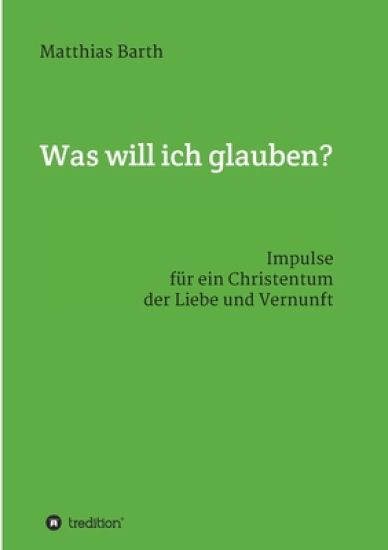
Was will ich glauben?: Impulse für ein Christentum der Liebe und Vernunft
Christentum und Kirche haben in den vergangenen Jahrzehnten massiv an Bedeutung verloren. Neben gesellschaftlichen Ursachen liegt dieser Entwicklung auch ein Versagen der Kirche zugrunde: Sie hat viel zu lange an traditionellen Glaubenswahrheiten festgehalten. Dass die Bibel Gottes Wort ist, Jesus Gottes Sohn und Gott selber ein allm chtiges, jenseitiges Wesen - mit diesen Glaubensaussagen k nnen viele Menschen heute nichts mehr anfangen. Auch mit der traditionellen Vorstellung des dreieinigen Gottes oder dem Gebet zu einem jenseitigen Gott haben manche ihre liebe M he. Sie geraten deshalb an den Rand der Kirche oder treten aus. Denn sie h ren nichts davon, dass die traditionellen Glaubenswahrheiten auch anders verstanden werden k nnen. Das Buch zeigt auf, wie der Verzicht auf die Vorstellung eines in die Welt eingreifenden Gottes Raum schafft f r ein aufgekl rtes, weltzugewandtes Christentum. Grundlage ist ein Verst ndnis von Religion als kulturelle Errungenschaft des Menschen ohne g ttliche Offenbarung. In weiteren Kapiteln werden m gliche Konsequenzen f r die kirchliche Praxis skizziert. Auch die traditionellen christlichen Feste lassen sich neu verstehen und anders feiern. Was will ich glauben? Die Frage ist keine Einladung zu religi ser Beliebigkeit, sondern ermutigt zum selbstbestimmten Umgang mit der christlichen Tradition. Ein Buch ber den Glauben - auch f r 'Ungl ubige'.