Kirjojen hintavertailu. Mukana 11 717 486 kirjaa ja 12 kauppaa.

Kirjahaku

Etsi kirjoja tekijän nimen, kirjan nimen tai ISBN:n perusteella.

11 kirjaa tekijältä Max Egremont

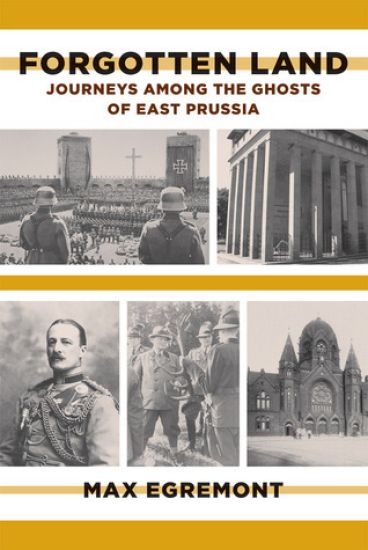
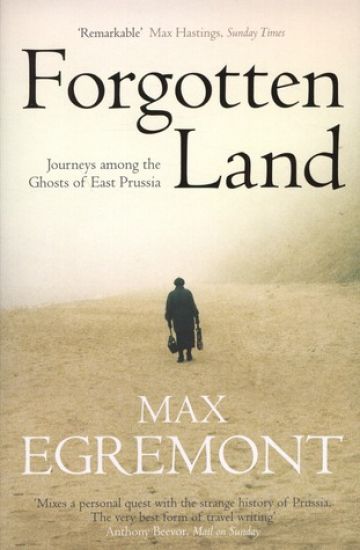
Forgotten Land

Forgotten Land

Max Egremont

Picador
2012
pokkari
East Prussia is no longer on any map, though it was once a thriving land, famously military, deeply forested, artistically fertile, and the birthplace of Immanuel Kant. As the scene of Stalin’s ‘terrible revenge’ it came to embody the turbulence of the twentieth century, was carved up between Poland and the USSR after World War II – and passed abruptly into history. Embarking on a remarkable journey through landscape and memory, Max Egremont has woven the stories of ghosts and survivors into an evocative and deeply moving meditation on identity and the passing of time. ‘East Prussia’s successful evocation demands both the mind of a poet who can delineate the scale of human loss, and the imagination of an historian who knows how to count the cost. Forgotten Land, a work of consummate artistry, blends both capacities to rare effect’ Spectator ‘Changing frontiers, blurred racial identities, shifting allegiances and the mass movement of people – this a story for our time’ New Statesman ‘Illuminating. A literary map to a beguiling hidden enclave of Europe’ Metro ‘Egremont’s compelling tale exploits his boundless intellectual curiosity, mastery of German and eye for whimsy as well as tragedy. The book’s canvas is remarkable. Fascinating reading’ Max Hastings, Sunday Times
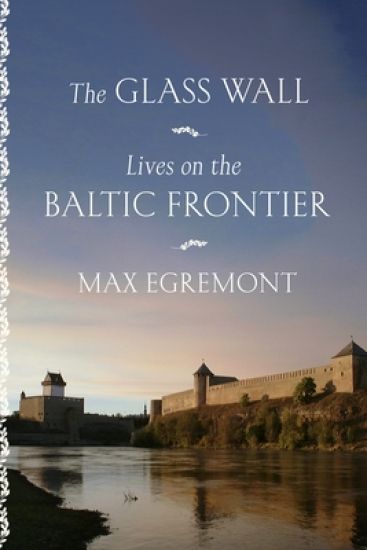
The Glass Wall: Lives on the Baltic Frontier

The Glass Wall: Lives on the Baltic Frontier

Max Egremont

Farrar, Straus and Giroux
2022
sidottu
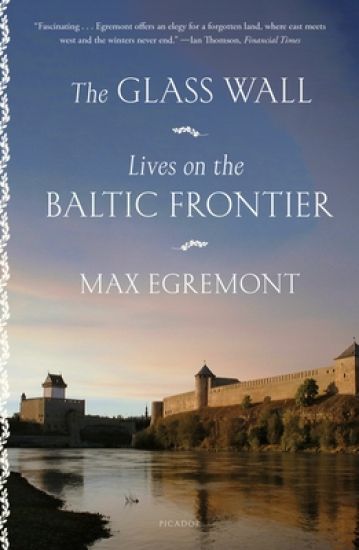
Max Egremont, author of Some Desperate Glory, tells stories from the "Glass Wall" between Europe and Asia. Few countries have suffered more from the convulsions and bloodshed of twentieth-century Europe than those in the eastern Baltic region. Caught between the giants of Germany and Russia, on a route across which armies surged or retreated, small nations like Latvia and Estonia were for centuries the subjects of conquests and domination as foreign colonizers claimed control of the territory and its inhabitants, along with their religion, government, and culture. The Glass Wall features an extraordinary cast of characters--contemporary and historical, foreign and indigenous--who have lived and fought in the Baltic, western Europe's easternmost stronghold. Too often the destiny of this region has seemed to be to serve as the front line in other people's wars. By telling the stories of warriors and victims, of philosophers and barons, of poets and artists, of rebels and emperors, and of others who lived through years of turmoil and violence, Max Egremont sets forth a brilliant account of a long-overlooked region, on a frontier whose limits may still be in doubt.
Forgotten Land

Forgotten Land

Max Egremont

Farrar, Straus and Giroux
2012
nidottu
Until the end of World War II, East Prussia was the German empire's farthest eastern redoubt, a thriving and beautiful land on the southeastern coast of the Baltic Sea. Now it lives only in history and in myth. Since 1945, the territory has been divided between Poland and Russia, stretching from the border between Russia and Lithuania in the east and south, and through Poland in the west. In Forgotten Land, Max Egremont offers a vivid account of this region and its people through the stories of individuals who were intimately involved in and transformed by its tumultuous history, as well as accounts of his own travels and interviews he conducted along the way. Forgotten Land is a story of historical identity and character, told through intimate portraits of people and places. It is a unique examination of the layers of history, of the changing perceptions and myths of homeland, of virtue and of wickedness, and of how a place can still overwhelm those who left it years before.
Some Desperate Glory: The First World War the Poets Knew

Some Desperate Glory: The First World War the Poets Knew

Max Egremont

Farrar, Straus and Giroux
2015
nidottu
Max Egremont's Some Desperate Glory presents the story of World War I through the lives and words of its poets. The hundredth anniversary of the outbreak of what many believed would be the war to end all wars is in 2014. And while World War I devastated Europe, it inspired profound poetry--words in which the atmosphere and landscape of battle are evoked perhaps more vividly than anywhere else. The poets--many of whom were killed--show not only the war's tragedy but also the hopes and disappointments of a generation of men. In Some Desperate Glory, the historian and biographer Max Egremont gives us a transfiguring look at the life and work of this assemblage of poets. Wilfred Owen with his flaring genius; the intense, compassionate Siegfried Sassoon; the composer Ivor Gurney; Robert Graves, who would later spurn his war poems; the nature-loving Edward Thomas; the glamorous Fabian Socialist Rupert Brooke; and the shell-shocked Robert Nichols--all fought in the war, and their poetry is a bold act of creativity in the face of unprecedented destruction. Some Desperate Glory includes a chronological anthology of the poets' works, telling the story of the war not only through the lives of these writers but also through their art. This unique volume unites the poetry and the history of the war--so often treated separately--granting readers the pride, strife, and sorrow of the individual soldier's experience coupled with a panoramic view of the war's toll on an entire nation.
The Glass Wall: Lives on the Baltic Frontier
Biographer and historian Max Egremont, author of Some Desperate Glory, tells stories from the "Glass Wall" between Europe and Asia in this riveting historical account. Few countries have suffered more from the convulsions and bloodshed of twentieth-century Europe than those in the eastern Baltic region. Caught between the giants of Germany and Russia, on a route across which armies surged or retreated, small nations like Latvia and Estonia were for centuries the subjects of conquests and domination as foreign colonizers claimed control of the territory and its inhabitants, along with their religion, government, and culture. The Glass Wall features an extraordinary cast of characters--contemporary and historical, foreign and indigenous--who have lived and fought in the Baltic, western Europe's easternmost stronghold. Too often the destiny of this region has seemed to be to serve as the front line in other people's wars. By telling the stories of warriors and victims, of philosophers and barons, of poets and artists, of rebels and emperors, and of others who lived through years of turmoil and violence, Max Egremont sets forth a brilliant account of a long-overlooked region, on a frontier whose limits may still be in doubt.
Some Desperate Glory

Some Desperate Glory

Max Egremont

Picador
2015
pokkari
While the First World War devastated Europe, it inspired profound poetry – words in which the atmosphere and landscape of battle are evoked perhaps more vividly than anywhere else. The poets – many of whom were killed – show not only the war’s tragedy but the hopes and disappointments of a generation of men. In Some Desperate Glory, historian and biographer Max Egremont gives us a transfiguring look at the life and work of this assemblage of poets. Wilfred Owen with his flaring genius; the intense, compassionate Siegfried Sassoon; the composer Ivor Gurney; Robert Graves who would later spurn his war poems; the nature-loving Edward Thomas; the glamorous Fabian Socialist Rupert Brooke; and the shell-shocked Robert Nichols all fought in the war, and their poetry is a bold act of creativity in the face of unprecedented destruction. Some Desperate Glory includes a chronological anthology of their poems, with linking commentary, telling the story of the war through their art. This unique volume unites the poetry and the history of the war, so often treated separately, granting readers the pride, strife, and sorrow of the individual soldier’s experience coupled with a panoramic view of the war’s toll on an entire nation.
Siegfried Sassoon

Siegfried Sassoon

Max Egremont

Picador
2013
pokkari
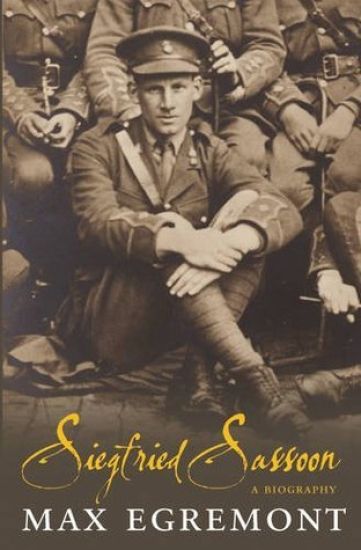
The life of Siegfried Sassoon has been recorded and interpreted in literature and film for over half a century. He is one of the great figures of the First World War, and Memoirs of a Fox-Hunting Man and Memoirs of an Infantry Officer are still widely read, as are his poems, which did much to shape our present ideas about the Great War. Sassoon was a genuine hero, a brave young officer who also became the war's most famous opponent, risking imprisonment and even a death sentence by throwing his Military Cross into the Mersey. He was friend to Robert Graves, mentor to Wilfred Owen and much admired by Churchill. But Sassoon was more than the embodiment of a romantic ideal; he was in many senses the perfect product of a vanished age. And many questions about his character, unique experience and motivations have remained unanswered until now.Siegfried Sassoon’s life has been recorded and interpreted in literature and film for over half a century. But this poet, First World War hero, friend to Robert Graves and mentor to Wilfred Owen, was more than the embodiment of a romantic ideal. Passionately involved with the aristocratic aesthete Stephen Tennant, married abruptly to the beautiful Hester Gatty, estranged, isolated, and a late Catholic convert, his private story has never before been told in such depth. Egremont discovers a man born in a vanished age, unhappy with his homosexuality and the modernist revolution that appeared to threaten the survival of his work, and engaged in an enduring personal battle between idealism and the world in which he moved. Shortlisted for the 2005 James Tait Black Memorial Prize for Autobiography
The Glass Wall

The Glass Wall

Max Egremont

PAN MACMILLAN
2022
pokkari
This journey to the edge of Europe mixes history, travelogue and oral testimony to spellbinding and revelatory effect.Few countries have suffered more from the convulsions and bloodshed of twentieth-century Europe than those in the eastern Baltic. Small nations such as the Baltic States of Latvia and Estonia found themselves caught between the giants of Germany and Russia, on a route across which armies surged or retreated. Subjected to foreign domination and conquest since the Northern crusades in the twelfth century, these lands faced frequent devastation as Germans, Russians and Swedish colonisers asserted control of the territory, religion, government, culture and inhabitants. The Glass Wall features an extraordinary cast of characters – contemporary and historical, foreign and indigenous – who have lived and fought in the Baltic and made the atmosphere of what was often thought to be western Europe’s furthest redoubt. Too often it has seemed to be the destiny of this region to be the front line of other people’s wars. By telling the stories of warriors and victims, of philosophers and Baltic Barons, of poets and artists, of rebels and emperors, and others who lived through years of turmoil and violence, Max Egremont reveals a fascinating part of Europe, on a frontier whose limits may still be in doubt.'Fascinating . . . a rich, nuanced account of life on "the Baltic frontier"' - The Times'Excellent' - Daily Mail'Extraordinary' - Literary Review'Exemplary' - Economist
The Glass Wall

The Glass Wall

Max Egremont

Picador
2021
sidottu
A Sunday Times Book of the Year 2021This journey to the edge of Europe mixes history, travelogue and oral testimony to spellbinding and revelatory effect.Few countries have suffered more from the convulsions and bloodshed of twentieth-century Europe than those in the eastern Baltic. Small nations such as the Baltic States of Latvia and Estonia found themselves caught between the giants of Germany and Russia, on a route across which armies surged or retreated. Subjected to foreign domination and conquest since the Northern crusades in the twelfth century, these lands faced frequent devastation as Germans, Russians and Swedish colonisers asserted control of the territory, religion, government, culture and inhabitants. The Glass Wall features an extraordinary cast of characters – contemporary and historical, foreign and indigenous – who have lived and fought in the Baltic and made the atmosphere of what was often thought to be western Europe’s furthest redoubt. Too often it has seemed to be the destiny of this region to be the front line of other people’s wars. By telling the stories of warriors and victims, of philosophers and Baltic Barons, of poets and artists, of rebels and emperors, and others who lived through years of turmoil and violence, Max Egremont reveals a fascinating part of Europe, on a frontier whose limits may still be in doubt.'Fascinating . . . a rich, nuanced account of life on "the Baltic frontier"' - The Times'Excellent' - Daily Mail'Extraordinary' - Literary Review'Exemplary' - Economist
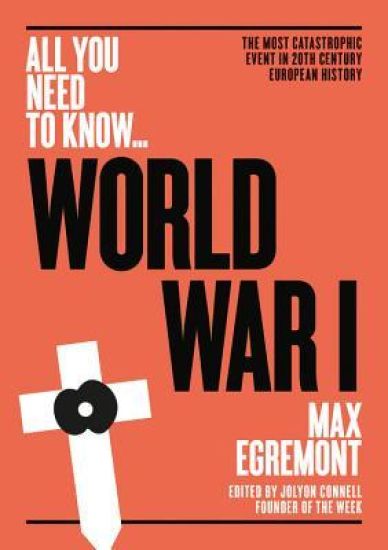
World War I

World War I

Max Egremont

CONNELL PUBLISHING LTD
2018
pokkari
For many, before 1914, a huge European war had seemed impossible. Conflicts in the Balkans flared up yet stayed contained. The Belgian historian Henri Pirenne wrote to a friend in December 1905: "Do you really believe in the possibility of a war? For me it is impossible to have the least fear in that regard." In March 1912, the British peer Lord Esher - an authority on defence matters - told an audience of Britain's senior Generals that war "becomes every day more difficult and improbable". After all, what could be gained by war? In 1909, the British writer Norman Angell claimed that with the increasing interdependence of nations war could not benefit the victor. All participating countries would be impoverished; the idea of victory was a "great illusion". In this short guide Max Egremont looks at controversies which have raged over the years. What caused the war? Who should be blamed for its outbreak? Should Britain have joined in and, after it did, were its soldiers really, as has been claimed, "lions led by donkeys"? What was America's role? And was the final peace settlement as fair and sensible as possible in the circumstances or, by humiliating Germany, did the Allies pave the way to a Second World War, a truly global conflict which turned out to be even bloodier and more destructive than the First?