Kirjojen hintavertailu. Mukana 12 083 983 kirjaa ja 12 kauppaa.

Kirjahaku

Etsi kirjoja tekijän nimen, kirjan nimen tai ISBN:n perusteella.

2 kirjaa tekijältä Maxwell Hartt

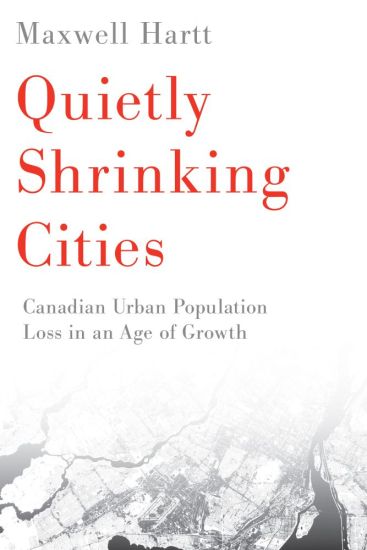
Quietly Shrinking Cities

Quietly Shrinking Cities

Maxwell Hartt

University of British Columbia Press
2021
sidottu
At 5 percent, Canada's population growth was the highest of all G7 countries when the most recent census was taken. But only a handful of large cities drove that growth, attracting human and monetary capital from across the country and leaving myriad social, economic, and environmental challenges behind. Quietly Shrinking Cities investigates a trend that has been largely overlooked: over 20 percent of Canadian cities shrank between 2011 and 2016, and twice that proportion grew more slowly than the national average. Yet continuous, ubiquitous growth is considered normal, and policy and planning professionals have had little success in managing the practical challenges associated with population loss. Declining birth rates and an aging population only compound the phenomenon. This meticulous work demonstrates that shrinking cities need to rethink their planning and development strategies in response to a new demographic reality, questioning whether population loss and prosperity are indeed mutually exclusive.
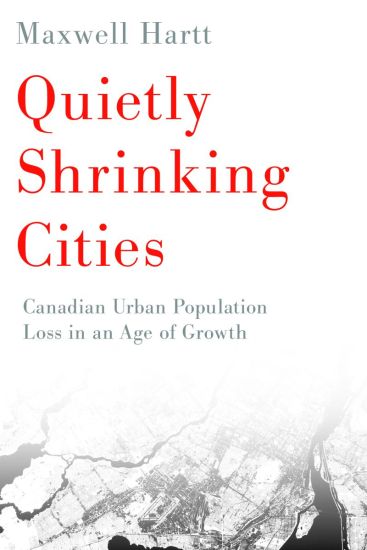
Quietly Shrinking Cities

Quietly Shrinking Cities

Maxwell Hartt

University of British Columbia Press
2021
pokkari
At 5 percent, Canada’s population growth was the highest of all G7 countries when the most recent census was taken. But only a handful of large cities drove that growth, attracting human and monetary capital from across the country and leaving myriad social, economic, and environmental challenges behind. Quietly Shrinking Cities investigates a trend that has been largely overlooked: over 20 percent of Canadian cities shrank between 2011 and 2016, and twice that proportion grew more slowly than the national average. Yet continuous, ubiquitous growth is considered normal, and policy and planning professionals have had little success in managing the practical challenges associated with population loss. Declining birth rates and an aging population only compound the phenomenon. This meticulous work demonstrates that shrinking cities need to rethink their planning and development strategies in response to a new demographic reality, questioning whether population loss and prosperity are indeed mutually exclusive.