Kirjojen hintavertailu. Mukana 11 717 486 kirjaa ja 12 kauppaa.

Kirjahaku

Etsi kirjoja tekijän nimen, kirjan nimen tai ISBN:n perusteella.

21 kirjaa tekijältä Medhat Khalil

Hydraulic Systems Volume 2: Electro-Hydraulic Components and Systems
The book is a learning package for students and professionals who are looking to advance their fluidpower careers. The package includes colored textbook, electronic files for the animated hydrauliccircuits, and a colored workbook (separate price) that contains printed power point slides, chapterreviews and assignments. The book is the second in a series that the author plans to publish to offercomplete and comprehensive teaching and design tools for the fluid power industry. This book is anattempt to fill the gap between the very academic style of fluid power books and the verycommercial style of books that are produced by fluid power manufacturers basically to promote theirproducts.The book presents constructional and operational qualitative analogies between electrical, hydraulicand electro-hydraulic systems. The book considers presenting real-life examples for various types ofelectro-hydraulic valves. The book also covers the technicalities of in-field tuning of open-loop andclosed-loop electro-hydraulic systems. The book also presents guideline to select a valve for anapplication and how to read data sheet of a valve. The book covers the basic functions contained inthe electronic control units that drive EH valves such as gain adjustor, maximum current limiter, ramp generator, pulse width modulation, dead band eliminator, null adjustment, and current muchmore.The textbook is produced in letter size (8.5 x 11) inches, and weighs 3.5 lb. The textbook contains atotal of ten chapters distributed on 498 pages. The workbook is produced in the same size andweighs 2 lb. The associated software is online downloadable.
Hydraulic Systems Volume 7

Hydraulic Systems Volume 7

Medhat Khalil

Compudraulic LLC
2020
sidottu
The book is targeting system design engineers who oversee hydraulic control system design whether for industrial or mobile application. The book introduces conceptual methodology to build lumped models for hydraulic components and assemble them to form a system. This book is also a great resource for mechanical engineering graduate students for their research work. This book presents models for hydraulic fluids, transmission lines, pumps, motors, cylinders, pressure relief valves, flow control valves, proportional valves, and servo valves.These models are used to assemble electro-hydraulic control systems.The book is colored and has the size of standard A4. The book is associated with a separate colored workbook. The workbook contains printed power point slides, chapter reviews and assignments. This book is the seventh in a series that the author plans to publish to offer complete and comprehensive teaching references for the fluid power industry. The book contains a total of eleven chapters distributed over 320 pages with very demonstrative figure and tables. The contents of the book are brand non-biased and intends to introduce the latest technologies related to the subject of the book.
Workbook 7

Workbook 7

Medhat Khalil

Compudraulic LLC
2020
pokkari
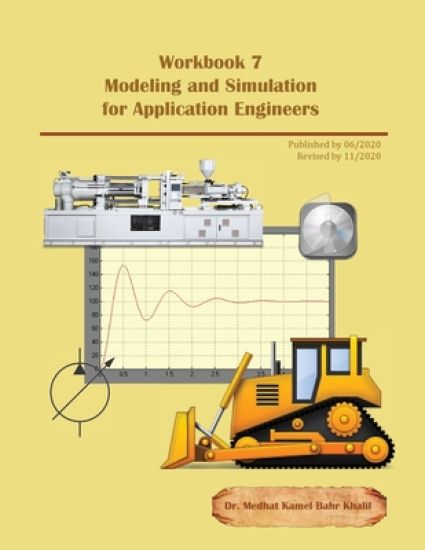
This Workbook is a complementary part to the textbook of the same title. This book is used as a workbook for students to take notes during the course delivery. It contains colored printout of the PowerPoint slides that are designed to present the course. Each chapter is followed by a number of review questions and assignments for homework.
Hydraulic Systems Volume 6

Hydraulic Systems Volume 6

Medhat Khalil

Compudraulic LLC
2022
sidottu
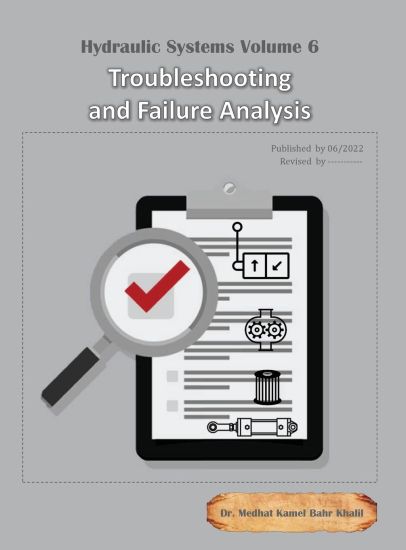
This book is targeting industry professionals who are in charge of operating, maintaining, and troubleshooting hydraulic systems. This book is also a great resource for mechanical engineers and service manuals technical writers. The book presents more than 40 troubleshooting charts to cover system-level and components-level troubleshooting including hydraulic fluids, pumps, motors, valves, cylinders, accumulators, reservoirs, transmission lines, heat exchanges, filters, and sealing elements. The book also contains proposed inspection sheets for the aforementioned components and investigations for the typical types of failures for each component. This book is colored and has the size of standard A4. The book is associated with a separate colored workbook. The workbook contains printed power point slides, chapter reviews and assignments. This book is the sixth in a series that the author plans to publish to offer complete and comprehensive teaching references for the fluid power industry. The book contains a total of fourteen chapters distributed over 250 pages with very demonstrative figures and tables. The contents of the book are brand non-biased and intends to introduce the latest technologies related to the subject of the book.
Workbook 6

Workbook 6

Medhat Khalil

Compudraulic LLC
2022
pokkari
This Workbook is a complementary part to the textbook of the same title. This book is used as a workbook for students to take notes during the course delivery. It contains colored printout of the PowerPoint slides that are designed to present the course. Each chapter is followed by a number of review questions and assignments for homework.
Hydraulic Systems Volume 4

Hydraulic Systems Volume 4

Medhat Khalil

Compudraulic LLC
2022
sidottu
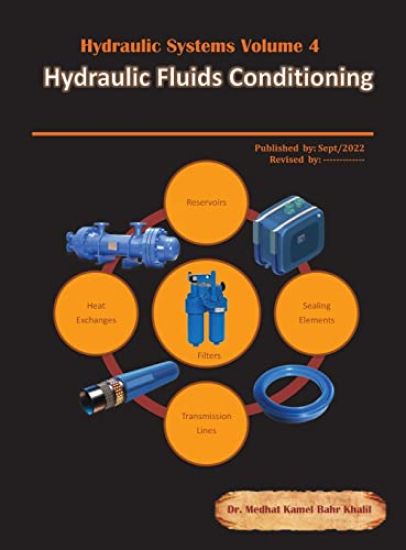
The book is targeting students and professionals who are looking to advance their fluid power careers. The book is colored and has the size of standard A4. The book is associated with a separate-colored workbook. The workbook contains printed power point slides, chapter reviews and assignments. This book is the fourth in a series that the author plans to publish to offer a complete and comprehensive educational curriculum for fluid power industry. This book is an attempt to fill the gap between the very academic style and the very commercial style of fluids power textbooks that are produced by fluid power manufacturers basically to promote their products. The book presents different types of hydraulic reservoirs, transmission lines, sealing elements, and heat exchangers. For each of these elements, the book introduces the methods of operations, construction, sizing, and selection. The book contains a total of eight chapters distributed over approximately 400 pages with very demonstrative figures and tables. The contents of the book are brand non-biased and intends to introduce the latest technologies related to the subject of the book.
Hydraulic Systems Volume 3: Hydraulic Fluids and Contamination Control
Contamination control is a crucial for hydraulic systems to survive and to sustain their reliability and performance. Hydraulic fluids are inevitably contaminated by various sources. Hydraulic fluid contamination is not limited to just the particulate contaminants as many people may think. Hydraulic fluid contamination can be broadly defined as any internal or external reason that can change the properties or performance.Therefore, this textbook focuses on hydraulic fluids and contamination control. The text book discusses thoroughly the different types of hydraulic fluids, their properties and standard methods of testing. The textbook also covers all types of contamination, their sources, effects, and best practices to avoid and control them.With 30+ years of experience in teaching fluid power for industry professionals, the author had effectively applied his solid understanding to the subject and his post-doctoral level of academic education in developing this book.
Workbook 3

Workbook 3

Medhat Khalil

Compudraulic LLC
2019
pokkari
This Workbook is a complementary part to the textbook of the same title. This book is used as a workbook for students to take notes during the course delivery. It contains colored printout of the PowerPoint slides that are designed to present the course. Each chapter is followed by a number of review questions and assignments for homework.
Hydraulic Systems Volume 5

Hydraulic Systems Volume 5

Medhat Khalil

Compudraulic LLC
2022
sidottu
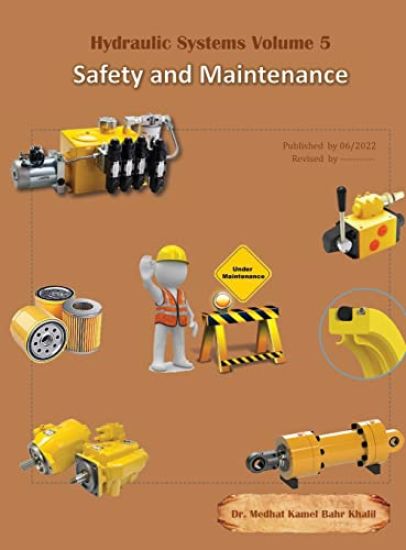
Safety and maintenance are very important experience to whoever involved in designing, commissioning, operating, and servicing hydraulic systems. Gaining such experience help to avoid future unexpected shutdowns, hence improve system reliability and safety of work environment. This book introduces the concept and best practices of hydraulic components and system maintenance.This book is targeting industry professionals who are in charge of operating, maintaining, and troubleshooting hydraulic systems. This book is also a great resource for mechanical engineers and service manuals technical writers. The books start by introducing best practices for safe design, commissioning, operating and servicing hydraulic components. The book then presents the maintenance concepts and measuring instruments commonly applicable for hydraulic system maintenance. The book follows that by presenting five sets of best practices for each of the following components: pumps, motors, cylinders valves, accumulators, reservoirs, transmission lines, heat exchangers, and filters. It is to be noted that, the listed best practices and maintenance actions are based on the author's experience and may not be applicable in each case. Therefore, the author is highly recommending reviewing the instructions from component and system manufacturers as considered the main and first source of information. This book is colored and has the size of standard A4. The book contains a total of twelve chapters distributed over 350 pages with very demonstrative figures and tables. The contents of the book are brand non-biased and intends to introduce the latest technologies related to the subject of the book. The book is the fifth in a series that the author plans to publish to offer a complete and comprehensive teaching curriculum for fluid power industry. The book is associated with a separate colored workbook. The workbook contains printed power point slides, chapter reviews and assignments.The book presents five sets of best practices for each of the following components: pumps, motors, cylinders valves, accumulators, reservoirs, transmission lines, heat exchangers, and filters. The five sets of best practices are as follows: BP-X Components-01-Selection and Replacement BP-X Components-02-Maintenance Scheduling BP-X Components-03-Installation and Maintenance Practices BP-X Components-04-Standard Tests and Calibration BP-X Components-05-Transportation and Storage
Workbook 5

Workbook 5

Medhat Khalil

Compudraulic LLC
2022
pokkari
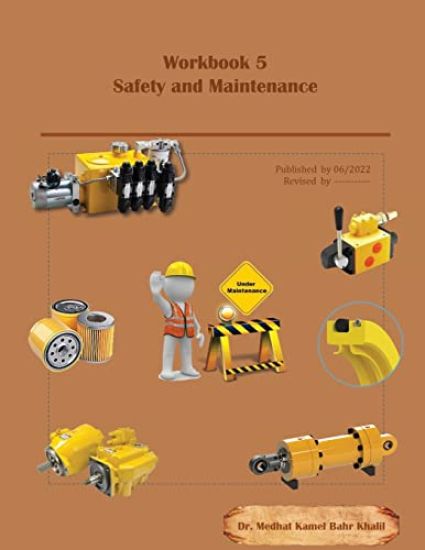
This Workbook is a complementary part to the textbook of the same title. This book is used as a workbook for students to take notes during the course delivery. It contains colored printout of the PowerPoint slides that are designed to present the course. Each chapter is followed by a number of review questions and assignments for homework.
Workbook 4

Workbook 4

Medhat Khalil

Compudraulic LLC
2022
pokkari
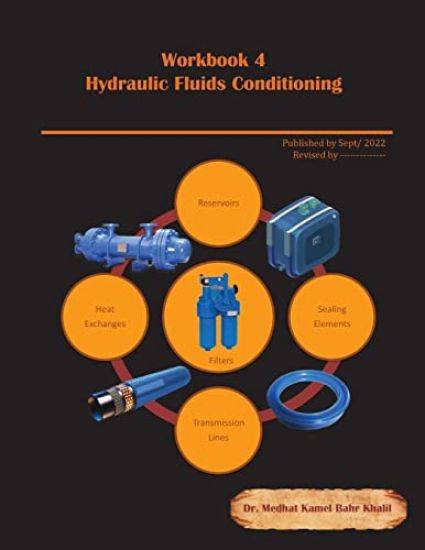
This Workbook is a complementary part to the textbook of the same title. This book is used as a workbook for students to take notes during the course delivery. It contains colored printout of the PowerPoint slides that are designed to present the course. Each chapter is followed by a number of review questions and assignments for homework.