Kirjojen hintavertailu. Mukana 12 390 323 kirjaa ja 12 kauppaa.

Kirjahaku

Etsi kirjoja tekijän nimen, kirjan nimen tai ISBN:n perusteella.

8 kirjaa tekijältä Megan R McLaughlin

Historic Shenandoah

Historic Shenandoah

Megan R McLaughlin

Indy Pub
2021
sidottu
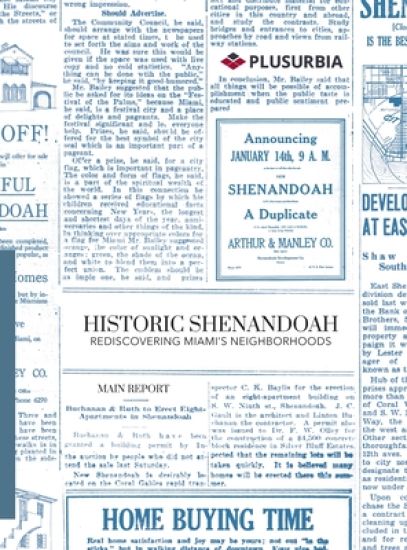
Historic Shenandoah: Rediscovering Miami's NeighborhoodsVolume 1: Main ReportMiami is best known for its beaches, tropical scenery, skyscrapers, and luxury condominiums. Although Miami is one of the nation's youngest metropolises, it has experienced tremendous growth due to land speculation, government policy, and immigration. Despite Miami's significance as an international city, little has been written about how its neighborhoods have evolved and adapted to these changes, slowly changing and sometimes completely reinventing themselves. This series of books are a testament to Miamians' resilience and adaptability through an in-depth look at the City's neighborhoods, residents that lived in them, and the events that shaped them. Shenandoah is a neighborhood at the heart of Miami. It is geographically central and importantly, it is high and dry on a ridge. It is a great example of today's inner-city neighborhoods that began as suburbs of Downtown Miami along the famous SW 8th Street, also known as Tamiami Trail or Calle Ocho. It is a neighborhood with a demographically diverse history, home to many religions, ethnicities, languages, and economic statuses, with a mix of apartment buildings, duplexes, houses, and garage apartments, all arranged together in harmonious streetscapes. Shenandoah's architecture is a great example of early climate adaptation with large porches and windows that allow for cross breezes and natural lighting. It is fanciful with arches, elaborate chimneys, clay tiles roofs, and textured coral rock. For many residents, it reminds them of places they grew up, from old Cuba to the Midwest. It is an amalgamation of memories carefully orchestrated to fit harmoniously in a tropical setting. Shenandoah has recently become more popular as an alternative to high-density living close to the Downtown and Brickell districts, receiving more and more attention and investment. Trees are being planted, pocket parks created, streetscapes are being planned and completed and many homes are being renovated and altered for new families to move in, transforming original bungalows into new homes with modern convenience. This newfound interest and appreciation of all that Shenandoah inherently possesses: walkability, transit access, corner stores, parks, schools, libraries, and churches, is changing the neighborhood once again with new demographics and reinvestment.This book is a memory of Miami's Shenandoah neighborhood: what it was and what it is. Most importantly, it is a tool for property owners, residents, civic associations, City staff, elected officials, and State agencies to understand Shenandoah's history, its character, and what makes it special. As Shenandoah evolves, it is important that changes improve this unique community through the protection of its character and the celebration of its unique heritage. It is our hope that this book will help Miamians learn and appreciate our unique city, our neighborhoods, and our people. Prepared for: Dade Heritage Trust, Inc. and the Florida Department of State, Division of Historical ResourcesThis project was funded in part by the Florida Department of State, Division of Historical Resources, Dade Heritage Trust, and The Villagers, Inc.
Historic Shenandoah

Historic Shenandoah

Megan R McLaughlin

Indy Pub
2021
sidottu
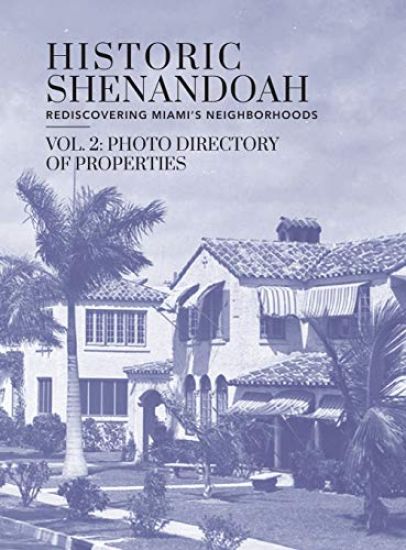
Historic Shenandoah: Rediscovering Miami's NeighborhoodsVolume 2: Photo DirectoryShenandoah is the heart of Miami: Geographically central, and high and dry on a ridge. It is well-connected to Downtown and the larger metropolis by SW 8th Street, also known as Tamiami Trail or Calle Ocho. Shenandoah's population is diverse, and always has been. It is home to families of varying religions, ethnicities, languages, and economic status. Since its inception, Shenandoah has had varied housing options: apartment buildings, duplexes, houses, and garage apartments, all arranged together in harmonious streetscapes of bungalows and Mediterranean Revival architecture. The architecture in Shenandoah matters. It is climate adapted: large porches and windows allow for cross breezes and natural lighting. It is fanciful: there are arches, elaborate chimneys, clay tiles roofs, and textured coral rock. For many residents, it reminds them of places where they grew up, from old Cuba to the mid-west. It makes people happy. There is a newfound appreciation of all of the neighborhood conveniences that Shenandoah inherently possesses. Walkability. Transit access. Proximity to Downtown. Corner stores with Cafecito. Parks, schools, libraries, and churches integrated into the neighborhood. Varied housing options, from apartments to single-family homes. Beautiful historic architecture. As Shenandoah becomes more popular, it is receiving more and more attention and investment. Trees are being planted. Pocket parks created. Streetscape improvements completed. And many, many homes are being renovated for new families to move in. It is important that property owners, residents, civic associations, City staff, elected officials, and State agencies understand Shenandoah's history, so that they can make informed decisions about the future. It is our hope that this book will help all Miamians to learn more about where they live. Prepared for: Dade Heritage Trust, Inc. and the Florida Department of State, Division of Historical ResourcesThis project was funded in part by the Florida Department of State, Division of Historical Resources, Dade Heritage Trust, and The Villagers, Inc.
Historic Shenandoah

Historic Shenandoah

Megan R McLaughlin

Indy Pub
2021
sidottu
Historic Shenandoah: Rediscovering Miami's NeighborhoodsVolume 3: Site FilesShenandoah is the heart of Miami: Geographically central, and high and dry on a ridge. It is well-connected to Downtown and the larger metropolis by SW 8th Street, also known as Tamiami Trail or Calle Ocho. Shenandoah's population is diverse, and always has been. It is home to families of varying religions, ethnicities, languages, and economic status. Since its inception, Shenandoah has had varied housing options: apartment buildings, duplexes, houses, and garage apartments, all arranged together in harmonious streetscapes of bungalows and Mediterranean Revival architecture. The architecture in Shenandoah matters. It is climate adapted: large porches and windows allow for cross breezes and natural lighting. It is fanciful: there are arches, elaborate chimneys, clay tiles roofs, and textured coral rock. For many residents, it reminds them of places where they grew up, from old Cuba to the mid-west. It makes people happy. There is a newfound appreciation of all of the neighborhood conveniences that Shenandoah inherently possesses. Walkability. Transit access. Proximity to Downtown. Corner stores with Cafecito. Parks, schools, libraries, and churches integrated into the neighborhood. Varied housing options, from apartments to single-family homes. Beautiful historic architecture. As Shenandoah becomes more popular, it is receiving more and more attention and investment. Trees are being planted. Pocket parks created. Streetscape improvements completed. And many, many homes are being renovated for new families to move in. It is important that property owners, residents, civic associations, City staff, elected officials, and State agencies understand Shenandoah's history, so that they can make informed decisions about the future. It is our hope that this book will help all Miamians to learn more about where they live. Prepared for: Dade Heritage Trust, Inc. and the Florida Department of State, Division of Historical ResourcesThis project was funded in part by the Florida Department of State, Division of Historical Resources, Dade Heritage Trust, and The Villagers, Inc.

Historic Shenandoah

Historic Shenandoah

Megan R McLaughlin

Indy Pub
2021
sidottu
Historic Shenandoah: Rediscovering Miami's NeighborhoodsVolume 4: Site FilesShenandoah is the heart of Miami: Geographically central, and high and dry on a ridge. It is well-connected to Downtown and the larger metropolis by SW 8th Street, also known as Tamiami Trail or Calle Ocho. Shenandoah's population is diverse, and always has been. It is home to families of varying religions, ethnicities, languages, and economic status. Since its inception, Shenandoah has had varied housing options: apartment buildings, duplexes, houses, and garage apartments, all arranged together in harmonious streetscapes of bungalows and Mediterranean Revival architecture. The architecture in Shenandoah matters. It is climate adapted: large porches and windows allow for cross breezes and natural lighting. It is fanciful: there are arches, elaborate chimneys, clay tiles roofs, and textured coral rock. For many residents, it reminds them of places where they grew up, from old Cuba to the mid-west. It makes people happy. There is a newfound appreciation of all of the neighborhood conveniences that Shenandoah inherently possesses. Walkability. Transit access. Proximity to Downtown. Corner stores with Cafecito. Parks, schools, libraries, and churches integrated into the neighborhood. Varied housing options, from apartments to single-family homes. Beautiful historic architecture. As Shenandoah becomes more popular, it is receiving more and more attention and investment. Trees are being planted. Pocket parks created. Streetscape improvements completed. And many, many homes are being renovated for new families to move in. It is important that property owners, residents, civic associations, City staff, elected officials, and State agencies understand Shenandoah's history, so that they can make informed decisions about the future. It is our hope that this book will help all Miamians to learn more about where they live. Prepared for: Dade Heritage Trust, Inc. and the Florida Department of State, Division of Historical ResourcesThis project was funded in part by the Florida Department of State, Division of Historical Resources, Dade Heritage Trust, and The Villagers, Inc.
Historic Shenandoah

Historic Shenandoah

Megan R McLaughlin

Indy Pub
2021
sidottu
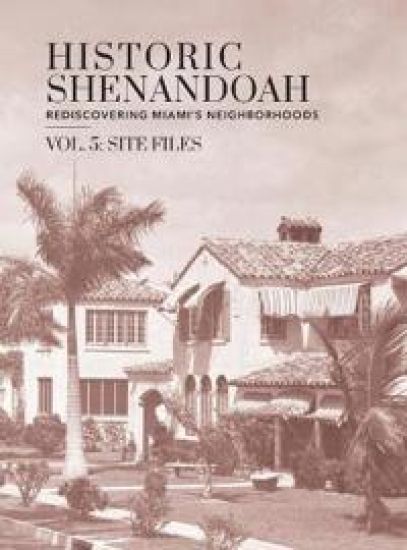
Historic Shenandoah: Rediscovering Miami's NeighborhoodsVolume 5: Site FilesShenandoah is the heart of Miami: Geographically central, and high and dry on a ridge. It is well-connected to Downtown and the larger metropolis by SW 8th Street, also known as Tamiami Trail or Calle Ocho. Shenandoah's population is diverse, and always has been. It is home to families of varying religions, ethnicities, languages, and economic status. Since its inception, Shenandoah has had varied housing options: apartment buildings, duplexes, houses, and garage apartments, all arranged together in harmonious streetscapes of bungalows and Mediterranean Revival architecture. The architecture in Shenandoah matters. It is climate adapted: large porches and windows allow for cross breezes and natural lighting. It is fanciful: there are arches, elaborate chimneys, clay tiles roofs, and textured coral rock. For many residents, it reminds them of places where they grew up, from old Cuba to the mid-west. It makes people happy. There is a newfound appreciation of all of the neighborhood conveniences that Shenandoah inherently possesses. Walkability. Transit access. Proximity to Downtown. Corner stores with Cafecito. Parks, schools, libraries, and churches integrated into the neighborhood. Varied housing options, from apartments to single-family homes. Beautiful historic architecture. As Shenandoah becomes more popular, it is receiving more and more attention and investment. Trees are being planted. Pocket parks created. Streetscape improvements completed. And many, many homes are being renovated for new families to move in. It is important that property owners, residents, civic associations, City staff, elected officials, and State agencies understand Shenandoah's history, so that they can make informed decisions about the future. It is our hope that this book will help all Miamians to learn more about where they live. Prepared for: Dade Heritage Trust, Inc. and the Florida Department of State, Division of Historical ResourcesThis project was funded in part by the Florida Department of State, Division of Historical Resources, Dade Heritage Trust, and The Villagers, Inc.

Historic Shenandoah

Historic Shenandoah

Megan R McLaughlin

Indy Pub
2021
sidottu
Historic Shenandoah: Rediscovering Miami's NeighborhoodsVolume 6: Site FilesShenandoah is the heart of Miami: Geographically central, and high and dry on a ridge. It is well-connected to Downtown and the larger metropolis by SW 8th Street, also known as Tamiami Trail or Calle Ocho. Shenandoah's population is diverse, and always has been. It is home to families of varying religions, ethnicities, languages, and economic status. Since its inception, Shenandoah has had varied housing options: apartment buildings, duplexes, houses, and garage apartments, all arranged together in harmonious streetscapes of bungalows and Mediterranean Revival architecture. The architecture in Shenandoah matters. It is climate adapted: large porches and windows allow for cross breezes and natural lighting. It is fanciful: there are arches, elaborate chimneys, clay tiles roofs, and textured coral rock. For many residents, it reminds them of places where they grew up, from old Cuba to the mid-west. It makes people happy. There is a newfound appreciation of all of the neighborhood conveniences that Shenandoah inherently possesses. Walkability. Transit access. Proximity to Downtown. Corner stores with Cafecito. Parks, schools, libraries, and churches integrated into the neighborhood. Varied housing options, from apartments to single-family homes. Beautiful historic architecture. As Shenandoah becomes more popular, it is receiving more and more attention and investment. Trees are being planted. Pocket parks created. Streetscape improvements completed. And many, many homes are being renovated for new families to move in. It is important that property owners, residents, civic associations, City staff, elected officials, and State agencies understand Shenandoah's history, so that they can make informed decisions about the future. It is our hope that this book will help all Miamians to learn more about where they live. Prepared for: Dade Heritage Trust, Inc. and the Florida Department of State, Division of Historical ResourcesThis project was funded in part by the Florida Department of State, Division of Historical Resources, Dade Heritage Trust, and The Villagers, Inc.
Historic Silver Bluff

Historic Silver Bluff

Megan R McLaughlin

IngramSpark
2022
sidottu
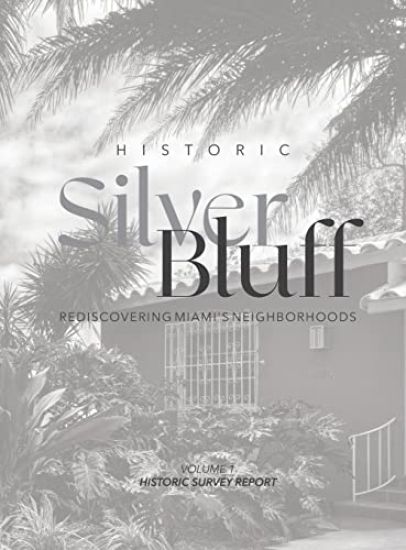
Historic Silver BluffRediscovering Miami's NeighborhoodsThe story of Miami's Silver Bluff neighborhood is defined by the ancient, the ephemeral, and the modern. Silver Bluff's namesake is the ancient geology of Miami's coastline, the oolitic limestone outcroppings that rise above Biscayne Bay and are the highest ground in South Florida. The streets and infrastructure of Silver Bluff were forged by an ephemeral municipality, the Town of Silver Bluff, that existed for a mere four years before being subsumed by the hyper-growth of the City of Miami in 1925. Silver Bluff is perhaps best known today for its abundance of well-built, beautifully designed, 1930s-era small homes. These homes were the product of sweeping housing reform by the Federal Government under the Federal Housing Act of 1934. Silver Bluff benefited from the resulting flood of government-insured mortgages. More than half of its housing stock was built between 1937 and 1939 as single-family homes with a unique architectural expression of Mediterranean and Moderne styles. Silver Bluff is loved for its convenient, urban location near Miami's downtown and Biscayne Bay, while maintaining a stable, predominantly single-family neighborhood with a mature tree canopy, well-maintained homes, and tidy lawns.Prepared for: Dade Heritage Trust, Inc. and the Florida Department of State, Division of Historical ResourcesThis project was funded in part by the Florida Department of State, Division of Historical Resources, Dade Heritage Trust, and The Villagers, Inc.
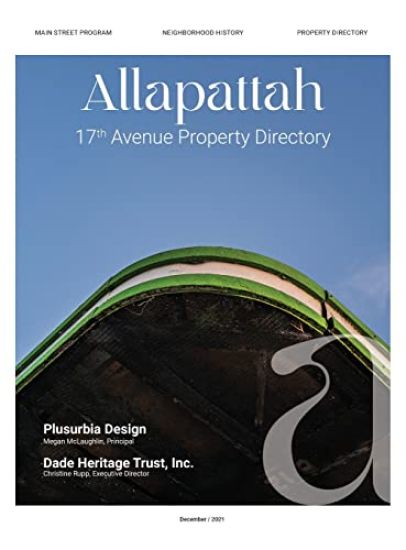
Allapattah

Allapattah

Megan R McLaughlin

IngramSpark
2022
sidottu
Allapattah: 17th Avenue Property DirectoryRediscovering Miami's NeighborhoodsIn 2019, Dade Heritage Trust partnered with The Allapattah Collaborative to bring attention to the unique character of this thriving Dominican neighborhood, and to support the small, locally-owned businesses along 17th Avenue. Along with Mileyka Burgos and Manuel Ochoa, Dade Heritage Trust has supported efforts for 17th Avenue to become part of a nation-wide network of Main Street programs. Established by the National Trust for Historic Preservation, Main Street America is a network of large and small communities who understand that their locally-owned, walkable commercial areas (often the Main Street in small towns) are an important source of community identity and economic resilience. Based on an approach of preservation and supporting community self-sufficiency, "Main Street empowers communities to set their own destinies.Prepared for: Dade Heritage Trust, Inc. and the Florida Department of State, Division of Historical ResourcesThis project was funded in part by the Florida Department of State, Division of Historical Resources, Dade Heritage Trust, and The Villagers, Inc.