
Kirjahaku
Etsi kirjoja tekijän nimen, kirjan nimen tai ISBN:n perusteella.
7 kirjaa tekijältä Melissa Miles
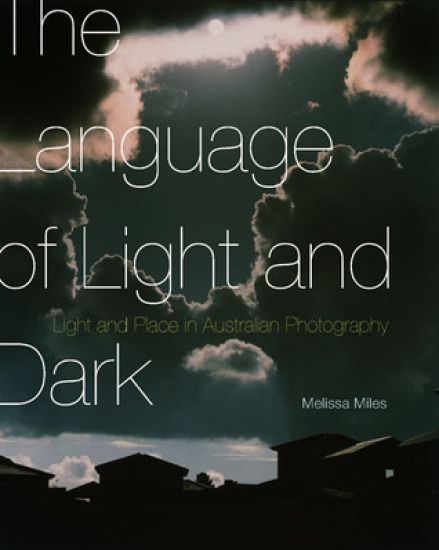
Light features prominently in the work of Australia's artists, writers, and photographers. Myths of a distinctly Australian light have shaped national identity and belonging, and the notion that photography is a language of light has particular significance for the country's photographic works. The Language of Light and Dark recounts this history of light as a medium and a metaphor from 1901 to the present. In this lucid, beautifully illustrated study, Melissa Miles reveals how myths of light and place have been reinvented, renewed, and challenged. She explores how approaches to darkness and light have been affected by debates about colonization, the landscape, urban development, and contemporary patterns of global and environmental change. An extensive selection of pictures from photographers including Norman Deck, Harold Cazneaux, Max Dupain, Olive Cotton, Mark Strizic, John Cato, Jane Burton, and Bill Henson shows the range and diversity of photography in Australia and how it links to - and diverges from - international movements and styles. Addressing topics from indigenous histories to the iconography of national discourse, and from evolving photographic techniques to light therapy, The Language of Light and Dark offers a new approach to the visual history of a nation and a continent.

Jeremiah Justice is like every other kid, except for the tracheostomy tube in his neck that helps him breathe. At least, that's what he thinks, until the day he discovers his superpower--the ability to shoot a tornado blast from his tracheostomy Jeremiah Justice names his power "Super Tornado Blaster", and practices using it in his home and neighborhood. Will he be able to summon up the courage and control the Super Tornado Blaster to defeat the notorious super villain, Mr. Menace?

Being a Superhero is Exhausting Ever since Jeremiah Justice discovered the ability to shoot a tornado blast from his tracheostomy tube, he's been working hard to keep his city safe. A week at Camp Hillcrest should be the perfect place to just be a regular kid, and take a break from being a superhero. But, can he do it.When he first meets Bella Grace, Jeremiah Justice isn't sure what to think. But, when Fiendish Firestarter threatens camp, Jeremiah Justice may have to team up with her to stop him once and for all. It may be the only way to save Camp Hillcrest. Even if it means using his Super Tornado Blaster to do it.

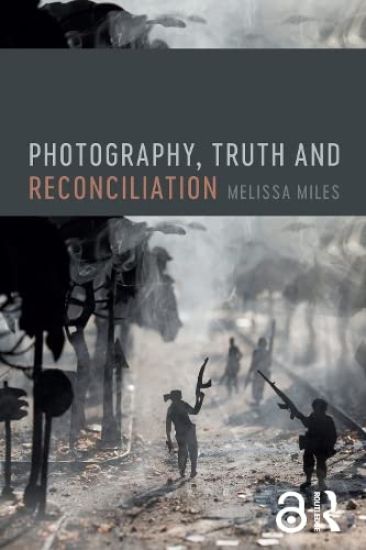
Photography, Truth and Reconciliation charts the connections between photography and a crucial issue in contemporary social history. The book examines the prevalence of photography in cultural responses to processes of truth and reconciliation, and argues that photographs are a valuable means through which stories can be retold and historiography can be rethought. Five compelling case studies from Argentina, Canada, Australia, South Africa and Cambodia underscore the special role that this medium has played in facilitating processes of recovery, and in reconstructing suppressed histories, even when a documentary record of the events does not exist. The diverse practices addressed in this book – including artistic, protest, institutional, archival, legal and personal photography – prompt a new consideration of photography’s links to presence, place, time, spectatorship and justice. Collectively, these practices attest to photography’s key role in transitional justice, and in shaping historical understanding internationally. Important reading for students taking photography, visual culture, history and media studies courses, Photography, Truth and Reconciliation explores key historical and theoretical themes, including photography and testimony, international discourses on human rights and justice, and problematic notions of public and collective memory.The introduction and conclusion of this book are freely available as a downloadable Open Access PDF under a Creative Commons Attribution-Non Commercial-No Derivatives 4.0 license available at http://www.taylorfrancis.com
Photography, Truth and Reconciliation charts the connections between photography and a crucial issue in contemporary social history. The book examines the prevalence of photography in cultural responses to processes of truth and reconciliation, and argues that photographs are a valuable means through which stories can be retold and historiography can be rethought. Five compelling case studies from Argentina, Canada, Australia, South Africa and Cambodia underscore the special role that this medium has played in facilitating processes of recovery, and in reconstructing suppressed histories, even when a documentary record of the events does not exist. The diverse practices addressed in this book – including artistic, protest, institutional, archival, legal and personal photography – prompt a new consideration of photography’s links to presence, place, time, spectatorship and justice. Collectively, these practices attest to photography’s key role in transitional justice, and in shaping historical understanding internationally. Important reading for students taking photography, visual culture, history and media studies courses, Photography, Truth and Reconciliation explores key historical and theoretical themes, including photography and testimony, international discourses on human rights and justice, and problematic notions of public and collective memory.The introduction and conclusion of this book are freely available as a downloadable Open Access PDF under a Creative Commons Attribution-Non Commercial-No Derivatives 4.0 license available at http://www.taylorfrancis.com