Kirjojen hintavertailu. Mukana 11 342 296 kirjaa ja 12 kauppaa.

Kirjahaku

Etsi kirjoja tekijän nimen, kirjan nimen tai ISBN:n perusteella.

4 kirjaa tekijältä Meliz Ergin

Ecocriticism and Turkey

Ecocriticism and Turkey

Meliz Ergin

BLOOMSBURY PUBLISHING PLC
2024
sidottu
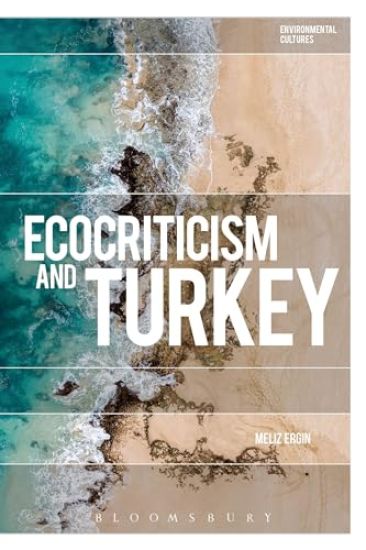
Situated between Europe and Asia, and surrounded by three seas, Turkey comprises a diverse environmental and cultural tapestry. Ecocriticism and Turkey is the first in-depth study to explore Turkish literary and cultural engagements with the environment. Ergin examines a wide range of ecocritical issues across four thematically organized chapters: “Sea,” “Climate,” “Routes,” and “Animals.” Each chapter addresses various dimensions of anthropogenic ecological change and highlights the role of literature in inspiring hope and action.The book takes readers on various journeys from the coasts of the Aegean Sea to the mountains of Eastern Anatolia. Ergin converses with both twentieth-century writers to shed new light on familiar texts and contemporary writers to capture emerging perspectives, including Rum, Laz, Kurdish, and Armenian voices in her discussion. The study is further enriched by an interdisciplinary inquiry that brings literature into dialogue with climate science, political history, underwater photography, folk music, and bio-art.
Ecocriticism and Turkey

Ecocriticism and Turkey

Meliz Ergin

BLOOMSBURY PUBLISHING PLC
2026
nidottu
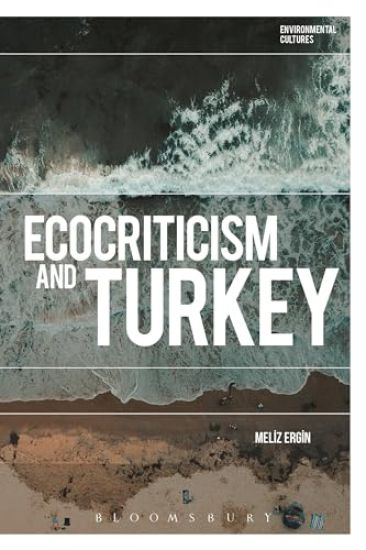
Situated between Europe and Asia, and surrounded by three seas, Turkey comprises a diverse environmental and cultural tapestry. Ecocriticism and Turkey is the first in-depth study to explore Turkish literary and cultural engagements with the environment. Ergin examines a wide range of ecocritical issues across four thematically organized chapters: “Sea,” “Climate,” “Routes,” and “Animals.” Each chapter addresses various dimensions of anthropogenic ecological change and highlights the role of literature in inspiring hope and action.The book takes readers on various journeys from the coasts of the Aegean Sea to the mountains of Eastern Anatolia. Ergin converses with both twentieth-century writers to shed new light on familiar texts and contemporary writers to capture emerging perspectives, including Rum, Laz, Kurdish, and Armenian voices in her discussion. The study is further enriched by an interdisciplinary inquiry that brings literature into dialogue with climate science, political history, underwater photography, folk music, and bio-art.
The Ecopoetics of Entanglement in Contemporary Turkish and American Literatures
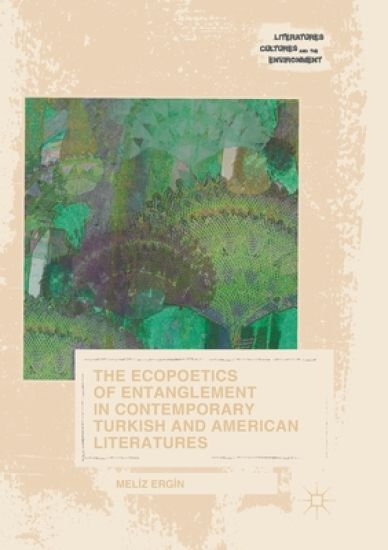
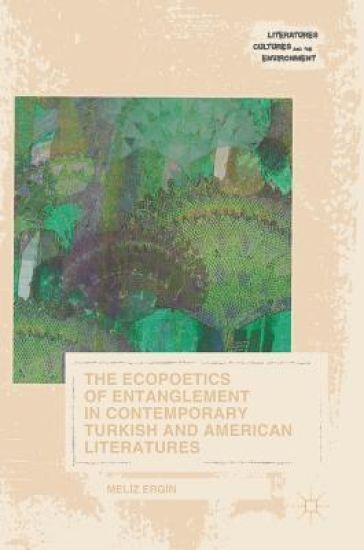
This book foregrounds entanglement as a guiding concept in Derrida’s work and considers its implications and benefits for ecocritical thought. Ergin introduces the notion of "ecological text" to emphasize textuality as a form of entanglement that proves useful in thinking about ecological interdependence and uncertainty. She brings deconstruction into a dialogue with social ecology and new materialism, outlining entanglements in three strands of thought to demonstrate the relevance of this concept in theoretical terms. Ergin then investigates natural-social entanglements through a comparative analysis of the works of the American poet Juliana Spahr and the Turkish writer Latife Tekin. The book enriches our understanding of complicity and accountability by revealing the ecological network of material and discursive forces in which we are deeply embedded. It makes a significant contribution to current debates on ecocritical theory, comparative literature, and ecopoetics.
The Ecopoetics of Entanglement in Contemporary Turkish and American Literatures
This book foregrounds entanglement as a guiding concept in Derrida’s work and considers its implications and benefits for ecocritical thought. Ergin introduces the notion of "ecological text" to emphasize textuality as a form of entanglement that proves useful in thinking about ecological interdependence and uncertainty. She brings deconstruction into a dialogue with social ecology and new materialism, outlining entanglements in three strands of thought to demonstrate the relevance of this concept in theoretical terms. Ergin then investigates natural-social entanglements through a comparative analysis of the works of the American poet Juliana Spahr and the Turkish writer Latife Tekin. The book enriches our understanding of complicity and accountability by revealing the ecological network of material and discursive forces in which we are deeply embedded. It makes a significant contribution to current debates on ecocritical theory, comparative literature, and ecopoetics.