Kirjojen hintavertailu. Mukana 11 342 296 kirjaa ja 12 kauppaa.

Kirjahaku

Etsi kirjoja tekijän nimen, kirjan nimen tai ISBN:n perusteella.

3 kirjaa tekijältä Meredith L. Roman

Opposing Jim Crow

Opposing Jim Crow

Meredith L. Roman

University of Nebraska Press
2012
sidottu
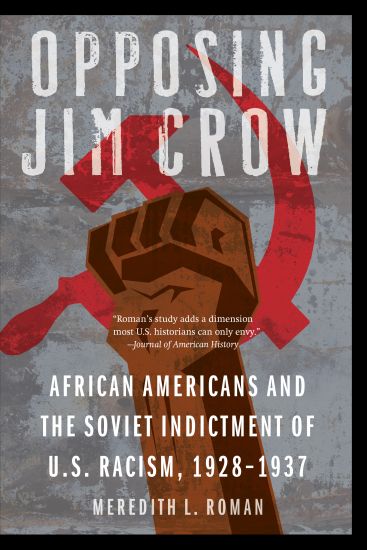
Before the Nazis came to power in Germany, Soviet officials labeled the United States the most racist country in the world. Photographs, children’s stories, films, newspaper articles, political education campaigns, and court proceedings exposed the hypocrisy of America’s racial democracy. In contrast, the Soviets represented the USSR itself as a superior society where racism was absent and identified African Americans as valued allies in resisting an imminent imperialist war against the first workers’ state. Meredith L. Roman’s Opposing Jim Crow examines the period between 1928 and 1937, when the promotion of antiracism by party and trade union officials in Moscow became a priority policy. Soviet leaders stood to gain considerable propagandistic value at home and abroad by drawing attention to U.S. racism, their actions simultaneously directed attention to the routine violation of human rights that African Americans suffered as citizens of the United States. Soviet policy also challenged the prevailing white supremacist notion that blacks were biologically inferior and thus unworthy of equality with whites. African Americans of various political and socioeconomic backgrounds became indispensable contributors to Soviet antiracism and helped officials in Moscow challenge the United States’ claim to be the world’s beacon of democracy and freedom.
The Black Panthers and the Soviets

The Black Panthers and the Soviets

Meredith L. Roman

BLOOMSBURY PUBLISHING PLC
2025
sidottu
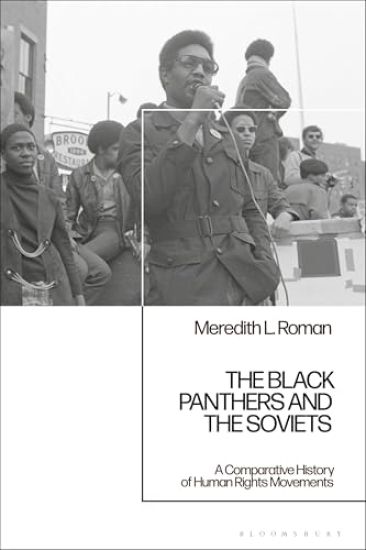
The contemporaneous movements for human rights that Soviet rights defenders and the Black Panthers waged during the 1960s are analysed in a comparative fashion here for the very first time. The book also examines the extra-legal measures that both the KGB and FBI employed to destroy them.The Black Panthers and the Soviets innovatively compares Soviet human rights activists’ exposure of the workings of the Soviet police state with the miniature, city-level surveillance police states that the Black Panthers exposed as operating across the United States. It illuminates the legal tactics of counter-surveillance that Soviet rights defenders and the Black Panthers employed as a means of restraining acts of state-sanctioned violence. The book also highlights how the U.S. production of knowledge about Soviet ‘dissidents’ reified white supremacist, anti-communist notions of dissent, human rights, and state violence that facilitated the repression of the Black Panthers and the mass incarceration of African Americans as criminals.Meredith L. Roman disrupts the enduring Cold War binaries of authoritarianism-democracy and oppression-freedom that obscure our understanding of the complex, overlapping histories of these two superpowers. Roman convincingly argues that the Soviet rights defenders and the Black Panthers’ vast documentation of domestic human rights abuses and the repressive measures that they faced for mobilizing to end them serve as an important societal reminder; they reaffirm that genuine democracy and the safeguarding of human rights are incompatible with authoritarian practices, the conditions of racial capitalism, and the ideology of national security.
Opposing Jim Crow

Opposing Jim Crow

Meredith L. Roman

University of Nebraska Press
2019
pokkari
Before the Nazis came to power in Germany, Soviet officials labeled the United States the most racist country in the world. Photographs, children’s stories, films, newspaper articles, political education campaigns, and court proceedings exposed the hypocrisy of America’s racial democracy. In contrast, the Soviets represented the USSR itself as a superior society where racism was absent and identified African Americans as valued allies in resisting an imminent imperialist war against the first workers’ state. Meredith L. Roman’s Opposing Jim Crow examines the period between 1928 and 1937, when the promotion of antiracism by party and trade union officials in Moscow became a priority policy. Soviet leaders stood to gain considerable propagandistic value at home and abroad by drawing attention to U.S. racism, their actions simultaneously directed attention to the routine violation of human rights that African Americans suffered as citizens of the United States. Soviet policy also challenged the prevailing white supremacist notion that blacks were biologically inferior and thus unworthy of equality with whites. African Americans of various political and socioeconomic backgrounds became indispensable contributors to Soviet antiracism and helped officials in Moscow challenge the United States’ claim to be the world’s beacon of democracy and freedom.