Only those who have an undeniable calling from God will be fit for the challenges and strains of the ministry life. But how do you test a calling and how do you proceed if you are certain its legitimacy? From the theology of being called, to selecting a seminary, to beginning life as a pastor, Michael Milton looks to the Word of God for answers and guidance, as well as drawing on his own experience as a Presbyterian minister.
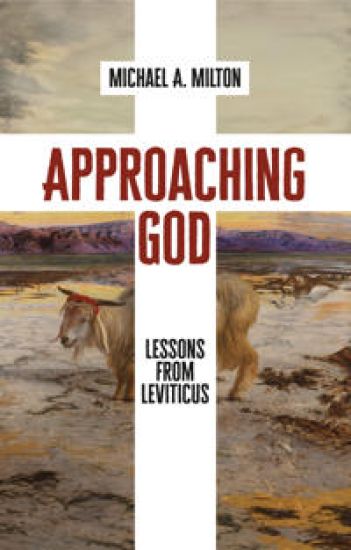
Michael A. Milton uncovers the treasures of one of the Bible’s regularly overlooked books in this pastoral treatment of Leviticus.God’s call changed everything for the Israelites. Amid the vast, severe wilderness landscape of the Sinai region, in sun–scorched sorrow and disappointment over a recent national sin – the creation and worship of an idol of smelted jewelry – life abruptly changes. With the first line of Leviticus, “And the Lord called,” God interrupts time and space, regret and reason, futility and hope. He reveals the pattern of the gospel: the holiness of God, the problem of human sin, God’s plan of salvation, His call to holiness through His gracious provision. He shows a way for sinful humans to live in the presence of a holy God. Leviticus for modern–day ChristiansThis call doesn’t just affect the ancient Israelites – Milton shows how Leviticus still speaks to Christ’s followers today. This book of the law points consistently to Jesus, the fullness and fulfilment of every antitype. It reveals to us in stark terms the abhorrence of sin, and the barrier it creates between mankind and God.Beginning with a helpful overview of Leviticus, and after providing some beneficial information about its title, authorship, time and biblical context, Milton tackles the book in four sections: Called to Worship (chapters 1–7)Called to Ministry (chapters 8–10)Called to Purity (chapters 11–16)Called to Holiness (chapters 17–27)Throughout, we see how this call applies not only to the ancient Israelites, but also to us. Get into this fascinating bookApproaching God will be excellent for personal bible study, or for a pastor or small group leader working through the book.
Drawing from his Master of Public Administration (MPA) portfolio at the University of North Carolina at Chapel Hill, Dr. Michael A. Milton offers a concise yet profound exploration of five core areas of public administration: ethics, organizational theory, human resources, budgeting, and policy analysis. With a unique perspective shaped by his experience in government, ministry, and academia, Milton frames public service as a noble vocation-calling for reform grounded in moral purpose and public trust. Ideal for students, professionals, and thoughtful citizens seeking meaning in modern governance.