Kirjojen hintavertailu. Mukana 12 390 323 kirjaa ja 12 kauppaa.

Kirjahaku

Etsi kirjoja tekijän nimen, kirjan nimen tai ISBN:n perusteella.

13 kirjaa tekijältä Michael Broers

Politics and Religion in Napoleonic Italy
The Politics of Religion in Napoleonic Italy explores the intense cultural conflict created by French rule in Italy at the start of the nineteenth century. Napoleon's desire for cultural conformity struck at the heart of Italian religious life. Yet the reforms imposed by French rule created resentment and resistance across Italy, finally leading to Napoleon's famous quarrel with Pope Pius VII.In this fascinating study, Mike Broers traces the events leading up to the ex-communication of Napoleon and the Pope's arrest and exile from Rome. Using previously neglected French and Italian archival sources, this book reveals how the alliance between Church and people grew in the face of alien, imperial rule. It exposes the vital role this union played in preventing Italy from being totally assimilated into the French empire.
Politics and Religion in Napoleonic Italy
The Politics of Religion in Napoleonic Italy explores the intense cultural conflict created by French rule in Italy at the start of the nineteenth century. Napoleon's desire for cultural conformity struck at the heart of Italian religious life. Yet the reforms imposed by French rule created resentment and resistance across Italy, finally leading to Napoleon's famous quarrel with Pope Pius VII. In this fascinating study, Mike Broers traces the events leading up to the ex-communication of Napoleon and the Pope's arrest and exile from Rome. Using previously neglected French and Italian archival sources, this book reveals how the alliance between Church and people grew in the face of alien, imperial rule. It exposes the vital role this union played in preventing Italy from being totally assimilated into the French empire.
Napoleon

Napoleon

Michael Broers

Faber Faber
2015
nidottu
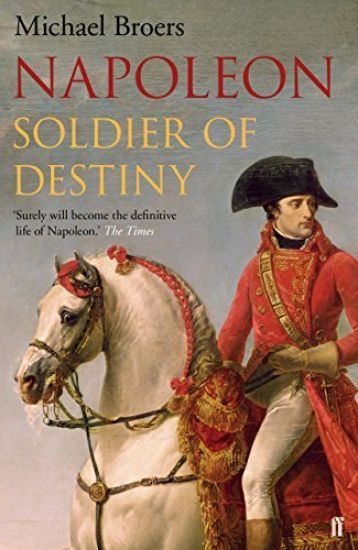
Napoleon Bonaparte: a man of intense emotion, iron self-discipline, acute intelligence and immeasurable energy. Michael Broers brings this remarkable man to life, from his dangerous Corsican roots to the epic battles of Austerlitz, Jena and Friedland. Here is the incredible story of how one man's sheer determination, ruthlessness and careful calculation drove France to conquer Europe. This is the first volume of a revelatory new biography of the great ruler told with energy, style and brand new research. Here is the first life in which Napoleon speaks in his own uncensored voice - but not always as he wanted the world to hear him.
Napoleon Volume 2

Napoleon Volume 2

Michael Broers

Faber Faber
2020
nidottu
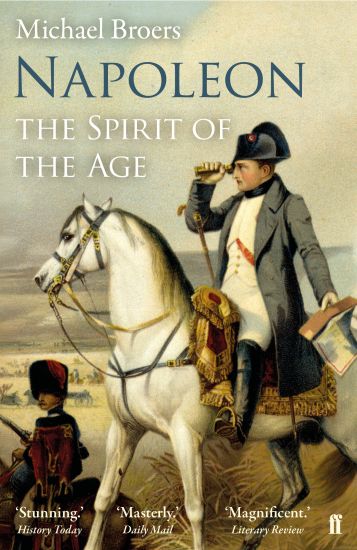
'Masterly.' Daily Mail 'Stunning.' History Today'Magnificent.' Literary ReviewNapoleon's life reached its most extraordinary stage between 1805 and 1810. At war with Britain, Russia, and Austria, he unleashed his magnificent Grande Armée. The first resounding victory at Austerlitz was followed by a whirlwind of campaigns, and by 1810 he had divorced Josephine in order to marry the daughter of the Austrian Emperor. The Spirit of the Age illustrates in vivid detail the five years in which Napoleon appeared to be invincible.
Europe Under Napoleon

Europe Under Napoleon

Michael Broers

Bloomsbury Academic
2021
nidottu
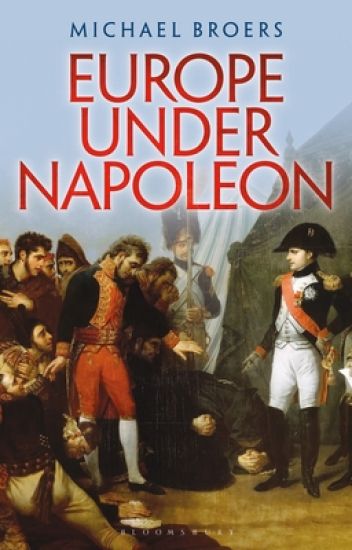
Napoleon Bonaparte dominated the public life of Europe like no other individual before him. Not surprisingly, the story of the man himself has usually swamped the stories of his subjects. This book looks at the history of the Napoleonic Empire from an entirely new perspective- that of the ruled rather than the ruler. Michael Broers concentrates on the experience of the people of Europe- particularly the vast majority of Napoleon's subjects who were neither French, nor willing participants in the great events of the period- during the dynamic but short-lived career of Napoleon, when half the European continent fell under his rule. In a new edition of a highly acclaimed book, Broers weaves together a myriad of regional experiences to produce a social history of the Napoleonic Empire with a truly panoramic scope.
The Napoleonic Mediterranean

The Napoleonic Mediterranean

Michael Broers

Bloomsbury Academic
2021
nidottu
The Mediterranean was one of Napoleon's greatest spheres of influence. With territory in Spain, Italy and, of course, France, Napoleon's regime dominated the Great Sea for much of the early nineteenth century. The 'Napoleonic Mediterranean' was composed of almost the entirety of the western, European lands bordering its northern shores, however tenuously many of those shores were held. The disastrous attempt to conquer Egypt in 1798-99, and the rapid loss of Malta to the British, sealed its eastward and southern limits. None of Napoleon's Mediterranean possessions were easily held; they were volatile societies which showed determined resistance to the new state forged by the French Revolution. In this book, acclaimed historian and biographer of Napoleon, Michael Broers looks at the similarities and differences between Napoleon's Mediterranean imperial possessions. He considers the process of political, military and legal administration as well as the challenges faced by Napoleon's Prefects in overcoming hostility in the local population.With chapters covering a range of imperial territories, this book is a unique and valuable addition to the historical literature on Napoleonic Europe and the process and practice of imperialism.
Napoleon: Soldier of Destiny

Napoleon: Soldier of Destiny

Michael Broers

Pegasus Books
2015
sidottu
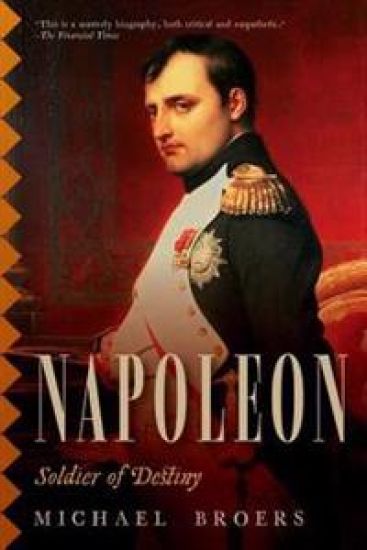
Written with great energy and authority?and using the newly available personal archives of Napoleon himself?the first volume of a majestic two-part biography of the great French emperor and conqueror. All previous lives of Napoleon have relied more on the memoirs of others than on his own uncensored words. This is the first life of Napoleon, in any language, that makes full use of his newly released personal correspondence compiled by the Napol on Foundation in Paris. All previous lives of Napoleon have relied more on the memoirs of others than on his own uncensored words.Michael Broers' biography draws on the thoughts of Napoleon himself as his incomparable life unfolded. It reveals a man of intense emotion, but also of iron self-discipline; of acute intelligence and immeasurable energy. Tracing his life from its dangerous Corsican roots, through his rejection of his early identity, and the dangerous military encounters of his early career, it tells the story of the sheer determination, ruthlessness, and careful calculation that won him the precarious mastery of Europe by 1807. After the epic battles of Austerlitz, Jena and Friedland, France was the dominant land power on the continent.Here is the first biography of Napoleon in which this brilliant, violent leader is evoked to give the reader a full, dramatic, and all-encompassing portrait.
Napoleon

Napoleon

Michael Broers

Pegasus Books
2022
sidottu
*A KIRKUS BEST BIOGRAPHY OF 2022* An accomplished Oxford scholar delivers a dynamic new history covering the last chapter of the emperor's life—from his defeat in Russia and the drama of Waterloo to his final exile—as the world Napoleon has created begins to crumble around him. In 1811, Napoleon stood at his zenith. He had defeated all his continental rivals, come to an entente with Russia, and his blockade of Britain seemed, at long last, to be a success. The emperor had an heir on the way with his new wife, Marie-Louise, the young daughter of the Emperor of Austria. His personal life, too, was calm and secure for the first time in many years. It was a moment of unprecedented peace and hope, built on the foundations of emphatic military victories. But in less than two years, all of this was in peril. In four years, it was gone, swept away by the tides of war against the most powerful alliance in European history. The rest of his life was passed on a barren island. This is not a story any novelist could create; it is reality as epic. Napoleon: The Decline and Fall of an Empire traces this story through the dramatic narrative of the years 1811-1821 and explores the ever-bloodier conflicts, the disintegration and reforging of the bonds among the Bonaparte family, and the serpentine diplomacy that shaped the fate of Europe. At the heart of the story is Napoleon’s own sense of history, the tensions in his own character, and the shared vision of a family dynasty to rule Europe. Drawing on the remarkable resource of the new edition of Napoleon’s personal correspondence produced by the Fondation Napoleon in Paris, Michael Broers dynamic new history follows Napoleon’s thoughts and feelings, his hopes and ambitions, as he fought to preserve the world he had created. Much of this turns on his relationship with Tsar Alexander of Russia, in so many respects his alter ego, and eventual nemesis. His inability to understand this complex man, the only person with the power to destroy him, is key to tracing the roots of his disastrous decision to invade Russia—and his inability to face diplomatic and military reality thereafter. Even his defeat in Russia was not the end. The last years of the Napoleonic Empire reveal its innate strength, but it now faced hopeless odds. The last phase of the Napoleonic Wars saw the convergence of the most powerful of forces in European history to date: Russian manpower and British money. The sheer determination of Tsar Alexander and the British to bring Napoleon down is a story of compromise and sacrifice. The horrors and heroism of war are omnipresent in these years, from Lisbon to Moscow, in the life of the common solider. The core of this new book reveals how these men pushed Napoleon back from Moscow to St Helena. Among this generation, there was no more remarkable persona than Napoleon. His defeat forged his myth—as well as his living tomb on St Helena. The audacious enterprise of the 100 Days, reaching its crescendo at the Battle of Waterloo, marked the spectacular end of an unprecedented public life. From the ruins of a life—and an empire—came a new continent and a legend that haunts Europe still.
Napoleon

Napoleon

Michael Broers

Pegasus Books
2023
pokkari
An accomplished Oxford scholar delivers a dynamic new history covering the last chapter of the emperor's life—from his defeat in Russia and the drama of Waterloo to his final exile—as the world Napoleon has created begins to crumble around him. In 1811, Napoleon stood at his zenith. He had defeated all his continental rivals, come to an entente with Russia, and his blockade of Britain seemed, at long last, to be a success. The emperor had an heir on the way with his new wife, Marie-Louise, the young daughter of the Emperor of Austria. His personal life, too, was calm and secure for the first time in many years. It was a moment of unprecedented peace and hope, built on the foundations of emphatic military victories. But in less than two years, all of this was in peril. In four years, it was gone, swept away by the tides of war against the most powerful alliance in European history. The rest of his life was passed on a barren island. This is not a story any novelist could create; it is reality as epic. Napoleon: The Decline and Fall of an Empire traces this story through the dramatic narrative of the years 1811-1821 and explores the ever-bloodier conflicts, the disintegration and reforging of the bonds among the Bonaparte family, and the serpentine diplomacy that shaped the fate of Europe. At the heart of the story is Napoleon’s own sense of history, the tensions in his own character, and the shared vision of a family dynasty to rule Europe. Drawing on the remarkable resource of the new edition of Napoleon’s personal correspondence produced by the Fondation Napoleon in Paris, Michael Broers dynamic new history follows Napoleon’s thoughts and feelings, his hopes and ambitions, as he fought to preserve the world he had created. Much of this turns on his relationship with Tsar Alexander of Russia, in so many respects his alter ego, and eventual nemesis. His inability to understand this complex man, the only person with the power to destroy him, is key to tracing the roots of his disastrous decision to invade Russia—and his inability to face diplomatic and military reality thereafter. Even his defeat in Russia was not the end. The last years of the Napoleonic Empire reveal its innate strength, but it now faced hopeless odds. The last phase of the Napoleonic Wars saw the convergence of the most powerful of forces in European history to date: Russian manpower and British money. The sheer determination of Tsar Alexander and the British to bring Napoleon down is a story of compromise and sacrifice. The horrors and heroism of war are omnipresent in these years, from Lisbon to Moscow, in the life of the common solider. The core of this new book reveals how these men pushed Napoleon back from Moscow to St. Helena. Among this generation, there was no more remarkable persona than Napoleon. His defeat forged his myth—as well as his living tomb on St. Helena. The audacious enterprise of the 100 Days, reaching its crescendo at the Battle of Waterloo, marked the spectacular end of an unprecedented public life. From the ruins of a life—and an empire—came a new continent and a legend that haunts Europe still.
The Napoleonic Mediterranean

The Napoleonic Mediterranean

Michael Broers

I.B. Tauris
2016
sidottu
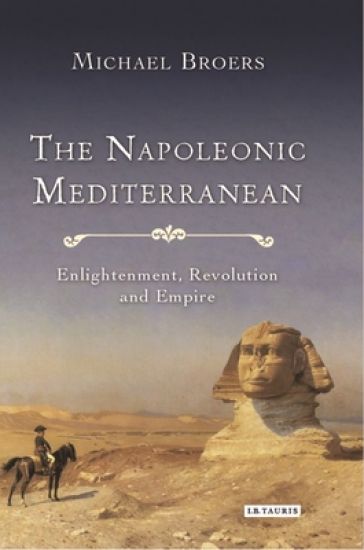
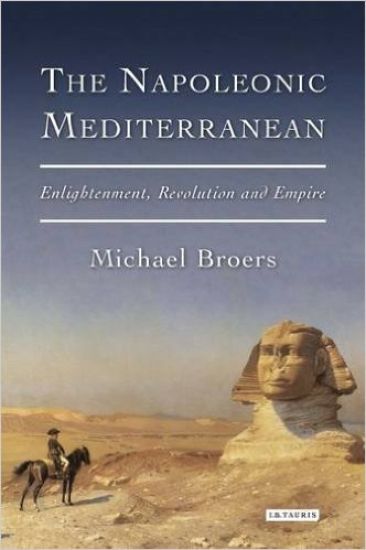
The Mediterranean was one of Napoleon's greatest spheres of influence. With territory in Spain, Italy and, of course, France, Napoleon's regime dominated the Great Sea for much of the early nineteenth century. The 'Napoleonic Mediterranean' was composed of almost the entirety of the western, European lands bordering its northern shores, however tenuously many of those shores were held. The disastrous attempt to conquer Egypt in 1798-99, and the rapid loss of Malta to the British, sealed its eastward and southern limits. None of Napoleon's Mediterranean possessions were easily held; they were volatile societies which showed determined resistance to the new state forged by the French Revolution. In this book, acclaimed historian and biographer of Napoleon, Michael Broers looks at the similarities and differences between Napoleon's Mediterranean imperial possessions. He considers the process of political, military and legal administration as well as the challenges faced by Napoleon's Prefects in overcoming hostility in the local population. With chapters covering a range of imperial territories, this book is a unique and valuable addition to the historical literature on Napoleonic Europe and the process and practice of imperialism.
Napoleon's Other War

Napoleon's Other War

Michael Broers

Peter Lang Ltd
2010
sidottu
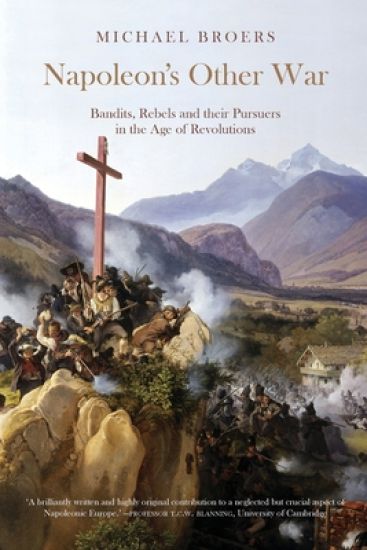
The wars of Napoleon are among the best-known and most exciting episodes in world history. Less known is the uproar the armies stirred up in their path, and even more, the chaos they left in their wake. The 'knock-on effect' of Napoleon's sweep across Europe went further than is often remembered: his invasion of Spain triggered the collapse of the Spanish Empire in Latin America, and his meddling in the Balkans destabilised the Ottomans. Many places had been riven with banditry and popular tumult from time immemorial, characteristics which worsened in the havoc wrought by the wars. Other areas had known relative calm before the arrival of the French in 1792, but even the most pacific societies were disrupted by these conflagrations. Behind the battle fronts raged other conflicts, 'little wars' - the guerrilla (the term was born in these years) - and bigger ones, where whole provinces rose up in arms. Bandits often stood at the centre of these 'dirty wars' of ambushes, night raids, living hard in tough terrain, of plunder, rapine and early, violent death, which spread across the whole western world from Constantinople to Chile.Everywhere, they threw up unlikely characters - ordinary men who emerged as leaders, bandits who became presidents, priests who became warriors, lawyers who became murdering criminals. In studying these varying fortunes, Michael Broers provides an insight into a lost world of peasant life, a world Napoleon did so much to sweep away.
Geopolitikens återkomst : striden om framtidens historia

Geopolitikens återkomst : striden om framtidens historia

Jeremy Black; Philip Bobbitt; Michael Broers; Roger Crowley; Gregory Feifer; Noah Feldman; Jonathan Fenby; David Frum; Gabriel Gorodetsky; Peter Heather; Josef Joffe; Anna-Lena Laurén; John H. Maurer; Sean McMeekin; Walter Russell Mead; Richard Miles; Fraser Nelson; Richard Overy; Lincoln Paine; Andrew Preston; Morris Rossabi; Charly Salonius-Pasternak; Norman Stone; Barry Strauss; Mikael Wigell

Bokförlaget Stolpe
2021
sidottu
Det var inte länge sedan idén om att vi nått historiens slut vann kraft och spridning: tanken att människans sociokulturella evolution nått fram till en punkt där den knappast kunde nå längre. Ett kvartssekel senare verkar denna optimism ha försvunnit. I stället bevittnar vi nu geopolitikens återkomst. Ett tjugotal experter utforskar i denna antologi hur vi hamnade där vi är idag men också vart vi kan tänkas vara på väg. Huvudredaktörer är Kurt Almqvist och Alexander Linklater.