
Kirjojen hintavertailu. Mukana 12 390 323 kirjaa ja 12 kauppaa.

Kirjahaku

Etsi kirjoja tekijän nimen, kirjan nimen tai ISBN:n perusteella.

3 kirjaa tekijältä Michael D. Wise

Producing Predators

Producing Predators

Michael D. Wise

University of Nebraska Press
2016
sidottu
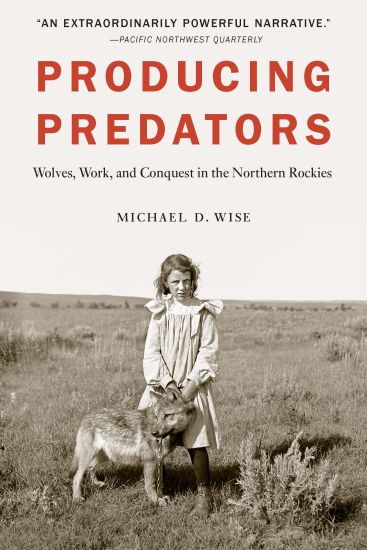
In Producing Predators Michael D. Wise argues that contestations between Native and non-Native people over hunting, labor, and the livestock industry drove the development of predator eradication programs in Montana and Alberta from the 1880s onward. The history of these antipredator programs was significant not only for their ecological effects but also for their enduring cultural legacies of colonialism in the Northern Rockies. By targeting wolves and other wild carnivores for extermination, cattle ranchers disavowed the predatory labor of raising domestic animals for slaughter, representing it instead as productive work. Meanwhile, federal agencies sought to purge the Blackfoot, Salish-Kootenai, and other indigenous peoples of their so-called predatory behaviors through campaigns of assimilation and citizenship that forcefully privatized tribal land and criminalized hunting and its related ritual practices. Despite these colonial pressures, Native communities resisted and negotiated the terms of their dispossession by representing their own patterns of work, food, and livelihood as productive. By exploring predation and production as fluid cultural logics for valuing labor rather than just a set of biological processes, Producing Predators offers a new perspective on the history of the American West and the modern history of colonialism more broadly.
Producing Predators

Producing Predators

Michael D. Wise

University of Nebraska Press
2020
pokkari
In Producing Predators Michael D. Wise argues that contestations between Native and non-Native people over hunting, labor, and the livestock industry drove the development of predator eradication programs in Montana and Alberta from the 1880s onward. The history of these antipredator programs was significant not only for their ecological effects but also for their enduring cultural legacies of colonialism in the Northern Rockies. By targeting wolves and other wild carnivores for extermination, cattle ranchers disavowed the predatory labor of raising domestic animals for slaughter, representing it instead as productive work. Meanwhile, federal agencies sought to purge the Blackfoot, Salish-Kootenai, and other indigenous peoples of their so-called predatory behaviors through campaigns of assimilation and citizenship that forcefully privatized tribal land and criminalized hunting and its related ritual practices. Despite these colonial pressures, Native communities resisted and negotiated the terms of their dispossession by representing their own patterns of work, food, and livelihood as productive. By exploring predation and production as fluid cultural logics for valuing labor rather than just a set of biological processes, Producing Predators offers a new perspective on the history of the American West and the modern history of colonialism more broadly.
Native Foods

Native Foods

Michael D. Wise

University of Arkansas Press
2023
nidottu
In Native Foods: Agriculture, Indigeneity, and Settler Colonialism in American History, Michael D. Wise confronts four common myths about Indigenous food history: that most Native communities did not practice agriculture; that Native people were primarily hunters; that Native people were usually hungry; and that Native people never developed taste or cuisine. Wise argues that colonial expectations of food and agriculture have long structured ways of seeing (and of not seeing) Native land and labor. Combining original historical research with interdisciplinary perspectives and informed by the work of Indigenous food sovereignty advocates and activists, this study sheds new light on the historical roles of Native American cuisine in American history and the significance of ongoing colonial processes in present-day discussions about the place of Native foods and Native history in our evolving worlds of taste, justice, and politics.