Kirjojen hintavertailu. Mukana 11 717 486 kirjaa ja 12 kauppaa.

Kirjahaku

Etsi kirjoja tekijän nimen, kirjan nimen tai ISBN:n perusteella.

11 kirjaa tekijältä Michael Ewans

Wagner and Aeschylus: The Ring and the Oresteia

Wagner and Aeschylus: The Ring and the Oresteia

Michael Ewans

Cambridge University Press
2009
nidottu
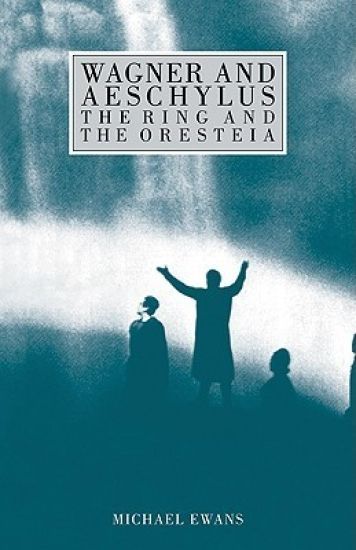
In 1847 Wagner read the Oresteian trilogy, the finest surviving work by Aeschylus. The impact on him of Aeschylus' work, at this crucial time in his development, changed Wagner's entire vision of his own role as an artist. As he wrote in his autobiography: 'I could actually see the Oresteia with my mind's eye, as though it were actually being performed and its effect on me was indescribable. ... My ideas about the significance of drama and of the theatre were, without a doubt, moulded by these impressions ...' Wagner and Aeschylus examines the role that the Oresteia played in the shaping of the Ring, showing how Aeschylus' masterpiece influenced Wagner's at many levels, from the basic idea of using mythical material for a cycle of 'stage festival dramas' right through to profound aspects of subject matter and form and Wagner's conception of the role of music in opera. Two introductory chapters look at the overall relationship between Wagner and Aeschylus; there follows an analysis of the four dramas of the Ring: the points of affinity and the differences, between Wagner's cycle and Aeschylus' are discussed in detail, an approach which throws fresh light on the form and meaning of the Ring.
Opera From the Greek

Opera From the Greek

Michael Ewans

Ashgate Publishing Limited
2007
sidottu
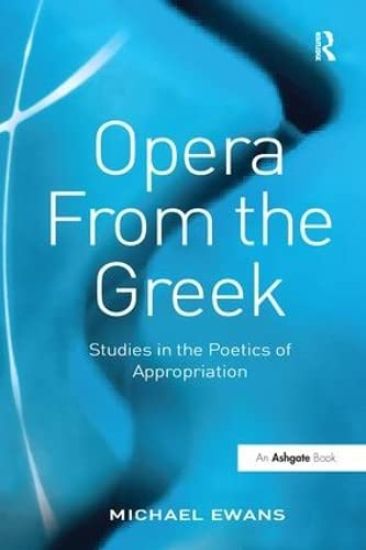
Michael Ewans explores how classical Greek tragedy and epic poetry have been appropriated in opera, through eight selected case studies. These range from Monteverdi's Il ritorno d'Ulisse in patria, drawn from Homer's Odyssey, to Mark-Antony Turnage's Greek, based on Sophocles's Oedipus the King. Choices have been based on an understanding that the relationship between each of the operas and their Greek source texts raise significant issues, involving an examination of the process by which the librettist creates a new text for the opera, and the crucial insights into the nature of the drama that are bestowed by the composer's musical setting. Ewans examines the issues through a comparative analysis of significant divergences of plot, character and dramatic strategy between source text, libretto and opera.
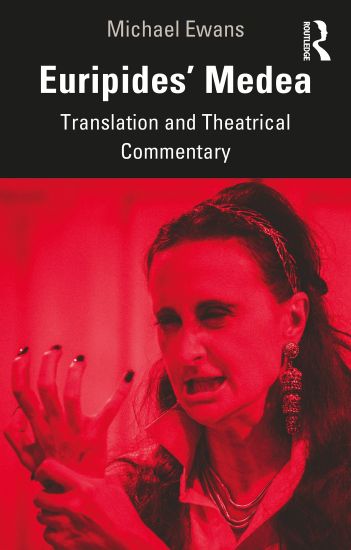
Euripides' Medea

Euripides' Medea

Michael Ewans

TAYLOR FRANCIS LTD
2022
nidottu
This book offers a new, accurate and actable translation of one of Euripides’ most popular plays, together with a commentary which provides insight into the challenges it sets for production and suggestions for how to solve them.The introduction discusses the social and cultural context of the play and its likely impact on the original audience, the way in which it was originally performed, the challenges which the lead roles present today and Medea’s implications for the modern audience. The text of the translation is followed by the 'Theatrical Commentary' section on the issues involved in staging each scene and chorus today, embodying insights gained from a professional production. Notes on the translation, a glossary of names, suggestions for further reading and a chronology of Euripides’ life and times round out the volume.The book is intended for use by theatre practitioners who wish to stage or workshop Medea and by students both of drama, theatre and performance and of classical studies.
Euripides' Medea

Euripides' Medea

Michael Ewans

TAYLOR FRANCIS LTD
2022
sidottu
This book offers a new, accurate and actable translation of one of Euripides’ most popular plays, together with a commentary which provides insight into the challenges it sets for production and suggestions for how to solve them.The introduction discusses the social and cultural context of the play and its likely impact on the original audience, the way in which it was originally performed, the challenges which the lead roles present today and Medea’s implications for the modern audience. The text of the translation is followed by the 'Theatrical Commentary' section on the issues involved in staging each scene and chorus today, embodying insights gained from a professional production. Notes on the translation, a glossary of names, suggestions for further reading and a chronology of Euripides’ life and times round out the volume.The book is intended for use by theatre practitioners who wish to stage or workshop Medea and by students both of drama, theatre and performance and of classical studies.
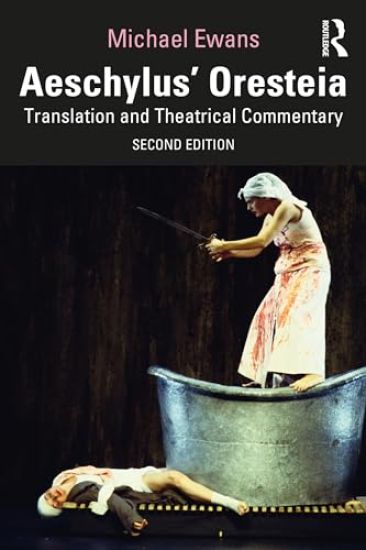
Aeschylus' Oresteia

Aeschylus' Oresteia

Michael Ewans

TAYLOR FRANCIS LTD
2024
nidottu
This is a fully revised new edition of Michael Ewans’ 1995 English translation of the Oresteia, taking into account the extensive work published on the trilogy in recent years.Accompanying this lucid, accurate and actable translation is a substantial introduction, outlining the festival setting of the plays, the original performance conditions and performance style, the form and meaning of the trilogy, the issues surrounding the act of translation, and finally a survey of some major productions since 1980. The text itself is a thoroughly competitive translation into modern English verse, now significantly revised in the light of recent scholarship on the text. It is followed by a theatrical commentary on each scene and chorus, providing unique insights into how the plays might have been staged in ancient Athens and how they can be staged today. The book also includes notes on the translation, two glossaries of names and Greek terms, selected further reading, and a chronology of Aeschylus’ life and times.Aeschylus’ Oresteia: Translation and Theatrical Commentary is the most comprehensive English edition of Aeschylus’ masterpiece, and this new edition fully meets the needs of teachers, students and practitioners working on the trilogy as well as those interested in ancient Greek drama and literature more broadly.
Aeschylus' Oresteia

Aeschylus' Oresteia

Michael Ewans

TAYLOR FRANCIS LTD
2024
sidottu
This is a fully revised new edition of Michael Ewans’ 1995 English translation of the Oresteia, taking into account the extensive work published on the trilogy in recent years.Accompanying this lucid, accurate and actable translation is a substantial introduction, outlining the festival setting of the plays, the original performance conditions and performance style, the form and meaning of the trilogy, the issues surrounding the act of translation, and finally a survey of some major productions since 1980. The text itself is a thoroughly competitive translation into modern English verse, now significantly revised in the light of recent scholarship on the text. It is followed by a theatrical commentary on each scene and chorus, providing unique insights into how the plays might have been staged in ancient Athens and how they can be staged today. The book also includes notes on the translation, two glossaries of names and Greek terms, selected further reading, and a chronology of Aeschylus’ life and times.Aeschylus’ Oresteia: Translation and Theatrical Commentary is the most comprehensive English edition of Aeschylus’ masterpiece, and this new edition fully meets the needs of teachers, students and practitioners working on the trilogy as well as those interested in ancient Greek drama and literature more broadly.
Opera From the Greek

Opera From the Greek

Michael Ewans

Routledge
2016
nidottu
Michael Ewans explores how classical Greek tragedy and epic poetry have been appropriated in opera, through eight selected case studies. These range from Monteverdi's Il ritorno d'Ulisse in patria, drawn from Homer's Odyssey, to Mark-Antony Turnage's Greek, based on Sophocles's Oedipus the King. Choices have been based on an understanding that the relationship between each of the operas and their Greek source texts raise significant issues, involving an examination of the process by which the librettist creates a new text for the opera, and the crucial insights into the nature of the drama that are bestowed by the composer's musical setting. Ewans examines the issues through a comparative analysis of significant divergences of plot, character and dramatic strategy between source text, libretto and opera.
Staging Ancient Greek Plays

Staging Ancient Greek Plays

Michael Ewans

BLOOMSBURY PUBLISHING PLC
2023
nidottu
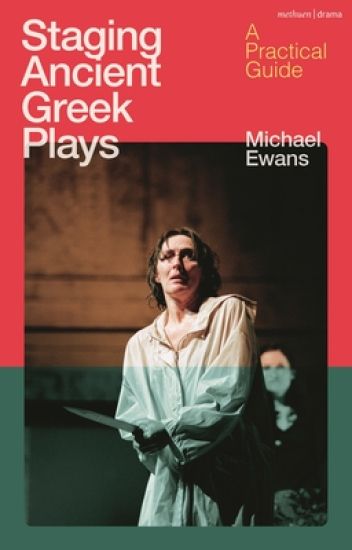
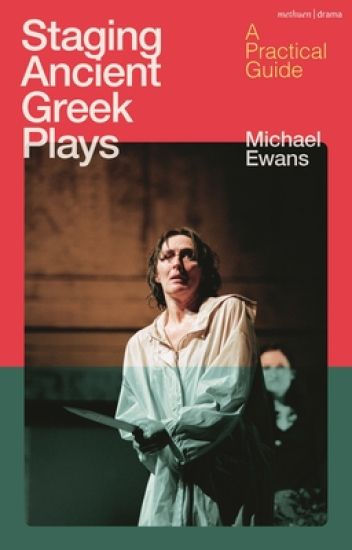
Merging the theoretical framework with the practical elements of staging an ancient Greek play, this indispensable guide offers directors and actors an excellent starting point for mounting their production. Considering the conditions of ancient Greek performance and the conventions of the Greek theatre, the book examines large questions, including those related to ancient Greek values, myth and the individual (‘characterization’), and the gods and fate – all of which must be taken into consideration when approaching a contemporary production.This practical guide also explores with analysed examples, the issues that today's theatre-makers should consider in order to successfully stage ancient Greek drama. These topics include: - choice of translation - setting - costumes - masks - mode of delivery - acting style for both tragedy and comedy - handling of the chorus - solutions to staging Greek drama
Staging Ancient Greek Plays

Staging Ancient Greek Plays

Michael Ewans

BLOOMSBURY PUBLISHING PLC
2023
sidottu
Merging the theoretical framework with the practical elements of staging an ancient Greek play, this indispensable guide offers directors and actors an excellent starting point for mounting their production. Considering the conditions of ancient Greek performance and the conventions of the Greek theatre, the book examines large questions, including those related to ancient Greek values, myth and the individual (‘characterization’), and the gods and fate – all of which must be taken into consideration when approaching a contemporary production.This practical guide also explores with analysed examples, the issues that today's theatre-makers should consider in order to successfully stage ancient Greek drama. These topics include: - choice of translation - setting - costumes - masks - mode of delivery - acting style for both tragedy and comedy - handling of the chorus - solutions to staging Greek drama
Performing Opera

Performing Opera

Michael Ewans

Methuen Drama
2016
nidottu
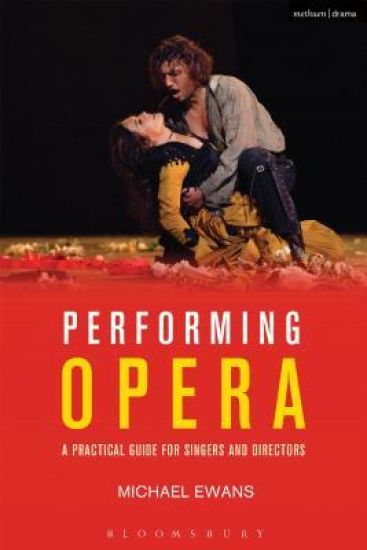
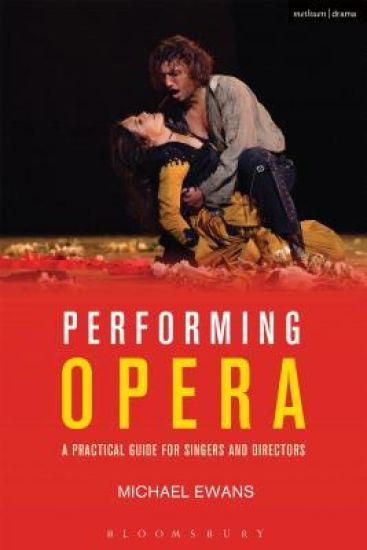
In Performing Opera: A Practical Guide for Singers and Directors Michael Ewans provides a detailed and practical workbook to performing many of the most commonly produced operas. Drawing on examples from twenty-four operas ranging in period from Gluck and Mozart to Britten and Tippett, it illustrates exactly how opera functions as dramatic form. Grounded in close analyses of performances of thirty scenes and five whole operas by first-rate singers and celebrated directors, Performing Opera provides readers with an appreciation of the unique challenges and skills required by performers and directors. It will assist them in their own performance and equip them with detailed knowledge of works most commonly featured in the repertoire. In the first part of the book the analysis progresses from scenes in which the singers are silent, via arias and monologues, duets and confrontations, up to ensembles. Wider issues are subsequently addressed: encounters with offstage events, encounters with the numinous, characterization, and the sense of inevitability in tragic opera.
Performing Opera

Performing Opera

Michael Ewans

Methuen Drama
2016
sidottu
In Performing Opera: A Practical Guide for Singers and Directors Michael Ewans provides a detailed and practical workbook to performing many of the most commonly produced operas. Drawing on examples from twenty-four operas ranging in period from Gluck and Mozart to Britten and Tippett, it illustrates exactly how opera functions as dramatic form. Grounded in close analyses of performances of thirty scenes and five whole operas by first-rate singers and celebrated directors, Performing Opera provides readers with an appreciation of the unique challenges and skills required by performers and directors. It will assist them in their own performance and equip them with detailed knowledge of works most commonly featured in the repertoire. In the first part of the book the analysis progresses from scenes in which the singers are silent, via arias and monologues, duets and confrontations, up to ensembles. Wider issues are subsequently addressed: encounters with offstage events, encounters with the numinous, characterization, and the sense of inevitability in tragic opera.