Kirjojen hintavertailu. Mukana 11 435 651 kirjaa ja 12 kauppaa.

Kirjahaku

Etsi kirjoja tekijän nimen, kirjan nimen tai ISBN:n perusteella.

56 kirjaa tekijältä Michael Farrell

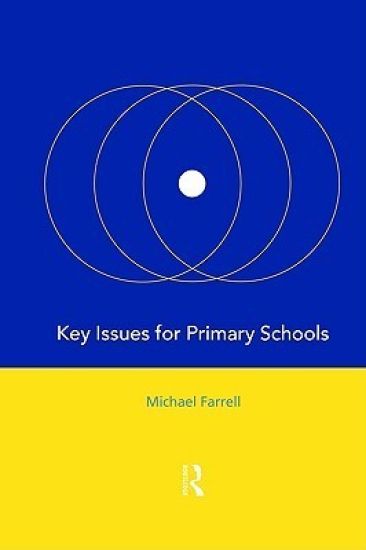
Key Issues for Primary Schools

Key Issues for Primary Schools

Michael Farrell

Routledge
1999
nidottu
Key Issues for Primary Schools is a concise comprehensive guide to the main issues in primary education and the implications for schools. Presented in a convenient A-Z format, the book includes coverage of:* special educational needs* attendance, truancy and exclusion* bullying and behavioural problems* management and administration* safety and security.There is also a review of up-to-date DfEE requirements and suggestions for further action and reading. The addresses of useful contacts help to make it a reference book no primary school should be without.
Key Issues for Secondary Schools

Key Issues for Secondary Schools

Michael Farrell

Routledge
2001
nidottu
Michael Farrell presents an examination of the main issues affecting secondary schools and the implications for secondary education. The resource includes information on accreditation of pupils, careers education and guidance, discipline, leadership and management and transition from primary to secondary school. By using the A-Z format, he tackles the issues in an easy to follow way. Each section ends with a series of points for action, selective suggestions for further reading and addresses of useful contacts. Michael Farrell's book is intended for a wide range of people professionally concerned with education, from Headteachers and governors to BEd and PGCE students. It is a reference book that no secondary school should be without.
Understanding Special Educational Needs
Teachers need to be fully equipped to respond to diversity in today's classrooms now more than ever before. The Professional Standards for Qualified Teacher Status and Induction Standards are now the driving force behind initial teacher education, and students will need to demonstrate their competence against these, and in particular, their understanding of Special Educational Needs in today's inclusive classrooms. Each chapter of this indispensable text explores an important topic within SEN and directly relates it to the competencies, making it an essential course companion. Chapters on topics relating to the code of practice, school policy, literacy and numeracy, ICT, emotional and behavioural difficulties and dealing with parents all follow a similar template, which includes:a commentary on the relevant professional standardscontextualising of the standardswhat teachers can do to promote effective practice.Detailed referencing will lead students to pursue more detailed individual texts, which address many of the issues in greater depth. This is an ideal, highly accessible text for student and new qualified teachers who need a reliable introduction to today's vital issues within Special Educational Needs.
Understanding Special Educational Needs
Teachers need to be fully equipped to respond to diversity in today's classrooms now more than ever before. The Professional Standards for Qualified Teacher Status and Induction Standards are now the driving force behind initial teacher education, and students will need to demonstrate their competence against these, and in particular, their understanding of Special Educational Needs in today's inclusive classrooms. Each chapter of this indispensable text explores an important topic within SEN and directly relates it to the competencies, making it an essential course companion. Chapters on topics relating to the code of practice, school policy, literacy and numeracy, ICT, emotional and behavioural difficulties and dealing with parents all follow a similar template, which includes:a commentary on the relevant professional standardscontextualising of the standardswhat teachers can do to promote effective practice.Detailed referencing will lead students to pursue more detailed individual texts, which address many of the issues in greater depth. This is an ideal, highly accessible text for student and new qualified teachers who need a reliable introduction to today's vital issues within Special Educational Needs.
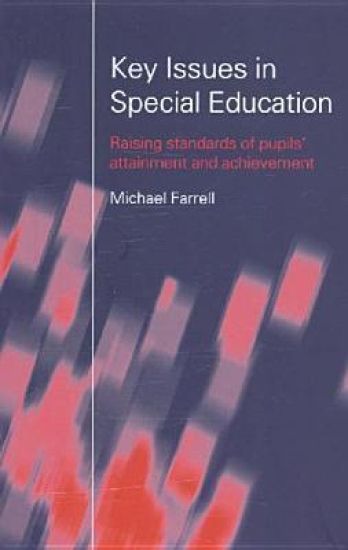
Key Issues In Special Education

Key Issues In Special Education

Michael Farrell

Routledge
2005
nidottu
Considerable challenges can face all those involved in teaching children with special educational needs. Complex policy and legislation, bureaucracy, inspection and limited resources can all appear difficult obstacles to those seeking to provide effective tuition. In this highly practical book, Michael Farrell unpicks and clarifies the role of educational standards in today's schools. Drawing extensively on detailed, real-life case studies, he closely explores such issues as: the definition of standards, identifying and providing for special educational needs, assessment and benchmarking, curriculum provision and target-setting, the role of the Code of Practice. Special educational needs coordinators, senior managers in schools and students completing initial training courses will find this an invaluable resource, which effortlessly simplifies an often complicated process.
The Special School's Handbook

The Special School's Handbook

Michael Farrell

Routledge
2007
sidottu
Giving an up-to-date picture of the work of special schools, this practical and informative book provides an invaluable and timely companion for anyone teaching or planning to teach in special schools in the United Kingdom.Using case studies of good practice to provide clear suggestions on how special schools may be further developed, the wide-ranging chapters address topics such as:adapting the curriculum to give special schools more flexibilityimplications of Every Child Matters and multi-professional workingorganisational changes in special schoolsthe changing roles of staff in the modern special schoolways of assessing the progress and achievement of pupilsworking with parents.With a no-nonsense, non-academic approach, and with each chapter featuring think points and suggestion for further study, The Special School's Handbook contains a wealth of invaluable information, resources and advice and is a handy reference book which staff can dip in and out of at their leisure.
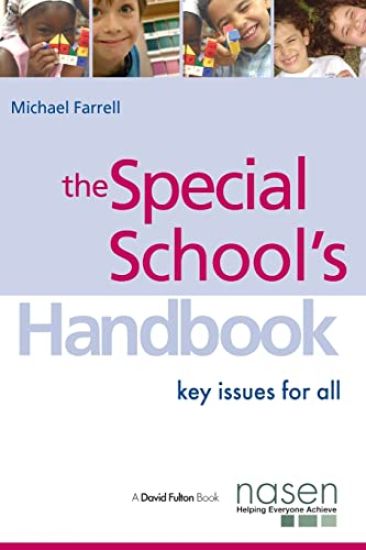
The Special School's Handbook

The Special School's Handbook

Michael Farrell

Routledge
2007
nidottu
Giving an up-to-date picture of the work of special schools, this practical and informative book provides an invaluable and timely companion for anyone teaching or planning to teach in special schools in the United Kingdom.Using case studies of good practice to provide clear suggestions on how special schools may be further developed, the wide-ranging chapters address topics such as:adapting the curriculum to give special schools more flexibilityimplications of Every Child Matters and multi-professional workingorganisational changes in special schoolsthe changing roles of staff in the modern special schoolways of assessing the progress and achievement of pupilsworking with parents.With a no-nonsense, non-academic approach, and with each chapter featuring think points and suggestion for further study, The Special School's Handbook contains a wealth of invaluable information, resources and advice and is a handy reference book which staff can dip in and out of at their leisure.
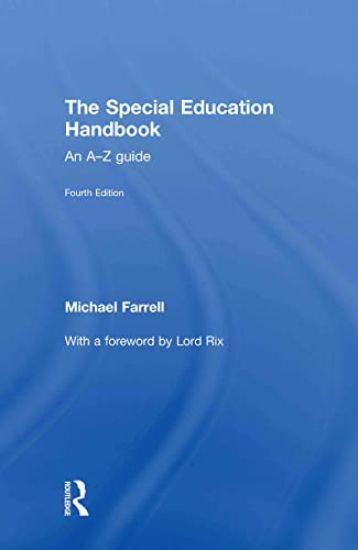
The Special Education Handbook

The Special Education Handbook

Michael Farrell

Focal Press
2009
sidottu
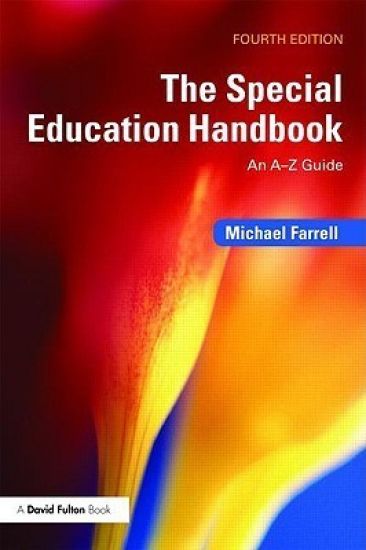
'What a terrific resource: comprehensive and current, this Handbook is a vital acquisition for all involved in special education programs. Dr Farrell writes clearly and with a practical flair ... Highly recommended.' – Michael Arthur-Kelly PhD, Associate Professor and Director, Special Education Centre, University of Newcastle, AustraliaThis acclaimed, bestselling and comprehensive guide, now in a fully updated fourth edition, is an essential reference book for anyone involved with special education. All entries have been reviewed to reflect current practice and the book is enriched with extra resources, including references to useful Internet sites. Focusing on current educational frameworks in the United Kingdom and the United States of America, the author has gathered into one A to Z volume a wide range of information essential to good practice in mainstream and special schools. A thematic index helps the reader plot a course through topics of interest. The broad themes and areas covered are: basic terms, ideas and valuesvenues relating to special education, and school organisationroles and responsibilitiesindividual differences among learners with disabilities and disorderscurriculum and assessment, resources and technologypedagogy and classroom organisationtherapy and care.Presented in a handy quick reference format The Special Education Handbook also provides a coherent account of the complexities of special education, combining a wealth of practical guidance with the latest research findings.This clear and concise Handbook is indispensable for all those involved in special education, including teachers, teaching assistants, parents, administrators and others.
The Special Education Handbook

The Special Education Handbook

Michael Farrell

Focal Press
2009
nidottu
'What a terrific resource: comprehensive and current, this Handbook is a vital acquisition for all involved in special education programs. Dr Farrell writes clearly and with a practical flair ... Highly recommended.' – Michael Arthur-Kelly PhD, Associate Professor and Director, Special Education Centre, University of Newcastle, AustraliaThis acclaimed, bestselling and comprehensive guide, now in a fully updated fourth edition, is an essential reference book for anyone involved with special education. All entries have been reviewed to reflect current practice and the book is enriched with extra resources, including references to useful Internet sites. Focusing on current educational frameworks in the United Kingdom and the United States of America, the author has gathered into one A to Z volume a wide range of information essential to good practice in mainstream and special schools. A thematic index helps the reader plot a course through topics of interest. The broad themes and areas covered are: basic terms, ideas and valuesvenues relating to special education, and school organisationroles and responsibilitiesindividual differences among learners with disabilities and disorderscurriculum and assessment, resources and technologypedagogy and classroom organisationtherapy and care.Presented in a handy quick reference format The Special Education Handbook also provides a coherent account of the complexities of special education, combining a wealth of practical guidance with the latest research findings.This clear and concise Handbook is indispensable for all those involved in special education, including teachers, teaching assistants, parents, administrators and others.
New Perspectives in Special Education

New Perspectives in Special Education

Michael Farrell

Routledge
2012
sidottu
This book should be read by everyone who wants to understand special education today. New Perspectives in Special Education opens the door to the fascinating and vitally important world of theory that informs contemporary special education. It examines theoretical and philosophical orientations such as ‘positivism’, ‘poststructuralism’ and ‘hermeneutics’, relating these to contemporary global views of special education. Offering a refreshingly balanced view across a broad range of debates, this topical text guides the reader through the main theoretical and philosophical positions that may be held with regard to special education, and critically examines positions that often go unrecognised and unquestioned by practitioners and academics alike. It helps the reader to engage with and question the positions taken by themselves and others, by providing thinking points and suggestions for further reading at the end of each chapter. Perspectives covered include: Positivism and empiricism Phenomenology and hermeneutics Historical materialism and critical theory Holism and constructivism Structuralism and post structuralism Pragmatism and symbolic interactionism Psychoanalysis Postmodernism and historical epistemologyAnyone wishing to gain a fuller understanding of special education should not be without this stimulating and much needed text.
New Perspectives in Special Education

New Perspectives in Special Education

Michael Farrell

Routledge
2012
nidottu
This book should be read by everyone who wants to understand special education today. New Perspectives in Special Education opens the door to the fascinating and vitally important world of theory that informs contemporary special education. It examines theoretical and philosophical orientations such as ‘positivism’, ‘poststructuralism’ and ‘hermeneutics’, relating these to contemporary global views of special education. Offering a refreshingly balanced view across a broad range of debates, this topical text guides the reader through the main theoretical and philosophical positions that may be held with regard to special education, and critically examines positions that often go unrecognised and unquestioned by practitioners and academics alike. It helps the reader to engage with and question the positions taken by themselves and others, by providing thinking points and suggestions for further reading at the end of each chapter. Perspectives covered include: Positivism and empiricism Phenomenology and hermeneutics Historical materialism and critical theory Holism and constructivism Structuralism and post structuralism Pragmatism and symbolic interactionism Psychoanalysis Postmodernism and historical epistemologyAnyone wishing to gain a fuller understanding of special education should not be without this stimulating and much needed text.
The Effective Teacher's Guide to Sensory and Physical Impairments
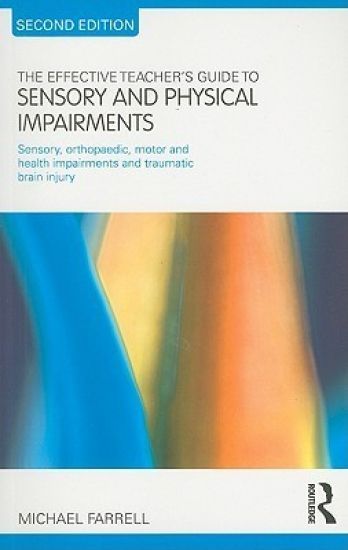
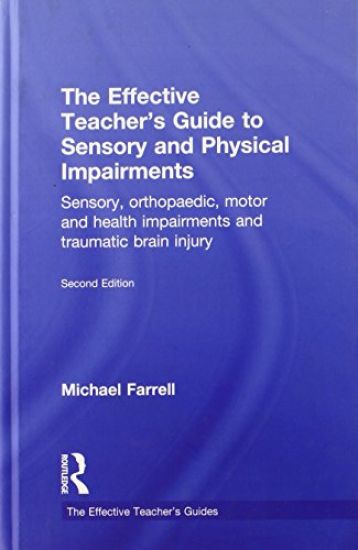
'Michael Farrell offers well sourced overviews of the conflicting and contradictory advice that is available to schools, suggests a variety of solutions to challenges, empowering the reader to make their own choices.' - Carol Smart, Special Needs Information PressFully updated with the latest research and advice on best practice, this new edition of The Effective Teacher’s Guide to Sensory and Physical Impairments covers a range of conditions that cause learning difficulties for children, including visual impairment, hearing impairment, deafblindness, orthopaedic impairment, motor disorders and health impairments, as well as a brand new chapter on traumatic brain injury. Teachers are likely to meet children with varying types and degrees of sensory and physical impairments. This comprehensive guide equips you with informed and practical strategies to ensure that all pupils are included and provided for in the best possible way. The new edition has also been adapted to be more widely relevant to readers in different countries, focusing more on the strategies that work regardless of national context. Writing in his popular accessible style, Michael Farrell suggests the best ways of dealing with a variety of conditions, always with practical classroom situations in mind. In each section, the book:explains the legal contextslooks at the range of provisionsuggests intervention and support strategiesgives points for reflection and suggested further reading. Highly accessible and authoritative, this book provides teachers with an invaluable resource to help you create a truly inclusive classroom.
The Effective Teacher's Guide to Sensory and Physical Impairments
'Michael Farrell offers well sourced overviews of the conflicting and contradictory advice that is available to schools, suggests a variety of solutions to challenges, empowering the reader to make their own choices.' - Carol Smart, Special Needs Information PressFully updated with the latest research and advice on best practice, this new edition of The Effective Teacher’s Guide to Sensory and Physical Impairments covers a range of conditions that cause learning difficulties for children, including visual impairment, hearing impairment, deafblindness, orthopaedic impairment, motor disorders and health impairments, as well as a brand new chapter on traumatic brain injury. Teachers are likely to meet children with varying types and degrees of sensory and physical impairments. This comprehensive guide equips you with informed and practical strategies to ensure that all pupils are included and provided for in the best possible way. The new edition has also been adapted to be more widely relevant to readers in different countries, focusing more on the strategies that work regardless of national context. Writing in his popular accessible style, Michael Farrell suggests the best ways of dealing with a variety of conditions, always with practical classroom situations in mind. In each section, the book:explains the legal contextslooks at the range of provisionsuggests intervention and support strategiesgives points for reflection and suggested further reading. Highly accessible and authoritative, this book provides teachers with an invaluable resource to help you create a truly inclusive classroom.
The Effective Teacher's Guide to Behavioural and Emotional Disorders
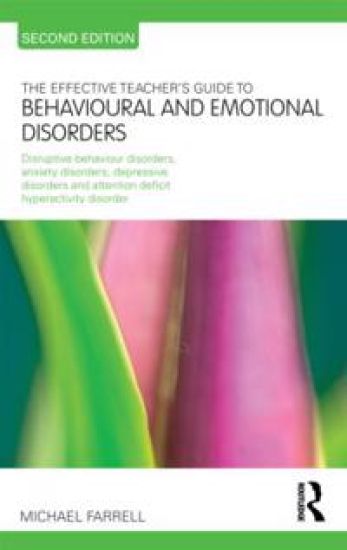
'Michael Farrell offers well sourced overviews of the conflicting and contradictory advice that is available to schools, suggests a variety of solutions to challenges, empowering the reader to make their own choices.' - Carol Smart, Special Needs Information PressFully updated with the latest research and advice on best practice, this new edition of The Effective Teacher’s Guide to Behavioural and Emotional Disorders covers a range of conditions that cause learning difficulties for children, including disruptive behaviour, attention deficit hyperactivity disorder, anxiety and depressive disorders. The theoretical underpinning is fully updated but also condensed in this edition to make way for more practical strategies for teachers.Teachers are likely to meet children with varying types and degrees of emotional behavioural disorders. This comprehensive guide equips you with informed and practical strategies to ensure that all pupils are included and provided for in the best possible way. The new edition has also been adapted to be more widely relevant to readers in different countries, focusing more on the strategies that work regardless of national context. Writing in his popular accessible style, Michael Farrell suggests the best ways of dealing with a variety of conditions, always with practical classroom situations in mind. In each section, the book:sets out the definitions of the conditionlooks at the range of provisionsuggests intervention and support strategiesgives points for reflection and suggested further reading. Highly accessible and authoritative, this book provides teachers with an invaluable resource to help you create a truly inclusive classroom.
The Effective Teacher's Guide to Behavioural and Emotional Disorders
'Michael Farrell offers well sourced overviews of the conflicting and contradictory advice that is available to schools, suggests a variety of solutions to challenges, empowering the reader to make their own choices.' - Carol Smart, Special Needs Information PressFully updated with the latest research and advice on best practice, this new edition of The Effective Teacher’s Guide to Behavioural and Emotional Disorders covers a range of conditions that cause learning difficulties for children, including disruptive behaviour, attention deficit hyperactivity disorder, anxiety and depressive disorders. The theoretical underpinning is fully updated but also condensed in this edition to make way for more practical strategies for teachers.Teachers are likely to meet children with varying types and degrees of emotional behavioural disorders. This comprehensive guide equips you with informed and practical strategies to ensure that all pupils are included and provided for in the best possible way. The new edition has also been adapted to be more widely relevant to readers in different countries, focusing more on the strategies that work regardless of national context. Writing in his popular accessible style, Michael Farrell suggests the best ways of dealing with a variety of conditions, always with practical classroom situations in mind. In each section, the book:sets out the definitions of the conditionlooks at the range of provisionsuggests intervention and support strategiesgives points for reflection and suggested further reading. Highly accessible and authoritative, this book provides teachers with an invaluable resource to help you create a truly inclusive classroom.
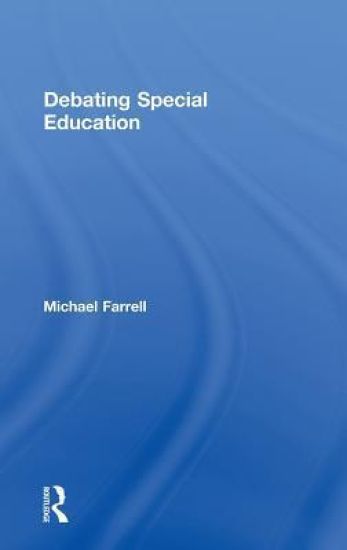
Debating Special Education

Debating Special Education

Michael Farrell

Routledge
2010
nidottu
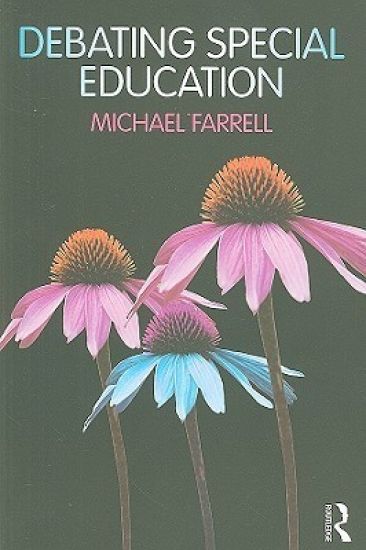
Debating Special Education is a provocative yet timely book examining a range of criticisms made of special education in recent years. Michael Farrell analyses several key debates in special education giving balanced critical responses to inform policy and practice for the future of special education.The book identifies possible limitations to the current special education knowledge base and provision. Michael Farrell examines the value of labelling and classification, and asks if intelligence testing may have detrimental effects; and addresses a number of complex issues such as:how practitioners work within special education; and if, sometimes, professionals may be self-serving whether there is distinctive provision for different types of disabilities and disorders inclusion as mainstreaming offered as an alternative to special education, and the challenges this presents. The author's conclusion is that in responding to these challenges, special education demonstrates its continuing relevance and strength. Presenting a range of international, cross-disciplinary perspectives and debates – which are vital to an understanding of special education today, and written in Farrell's typically accessible style – this book will be relevant for teachers of special children in ordinary and special schools; those on teacher training courses and anyone whose work relates to special education.
Debating Special Education

Debating Special Education

Michael Farrell

Routledge
2010
sidottu
Debating Special Education is a provocative yet timely book examining a range of criticisms made of special education in recent years. Michael Farrell analyses several key debates in special education giving balanced critical responses to inform policy and practice for the future of special education.The book identifies possible limitations to the current special education knowledge base and provision. Michael Farrell examines the value of labelling and classification, and asks if intelligence testing may have detrimental effects; and addresses a number of complex issues such as:how practitioners work within special education; and if, sometimes, professionals may be self-serving whether there is distinctive provision for different types of disabilities and disorders inclusion as mainstreaming offered as an alternative to special education, and the challenges this presents. The author's conclusion is that in responding to these challenges, special education demonstrates its continuing relevance and strength. Presenting a range of international, cross-disciplinary perspectives and debates – which are vital to an understanding of special education today, and written in Farrell's typically accessible style – this book will be relevant for teachers of special children in ordinary and special schools; those on teacher training courses and anyone whose work relates to special education.
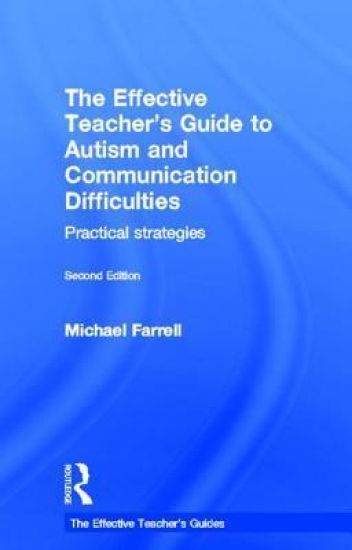
The Effective Teacher's Guide to Autism and Communication Difficulties
In this welcome second edition of The Effective Teacher’s Guide to Autism and Communication Difficulties, best-selling author Michael Farrell addresses how teachers and others can develop provision for students with autism and students that have difficulties with speech, grammar, meaning, use of language and comprehension. Updated and expanded, this book allows the teacher to be self-critical in developing classroom approaches and offers up-to-date research combined with professional experience on how to best achieve good practice in the classroom. This accessible book offers down-to-earth information on: Terms and definitions Legal considerations Classroom strategies Useful resources Pedagogical issues.This new edition will be a useful source of ideas and guidance for teachers and others working with children with autism or other communication disorders. It will also be useful for all new teachers, for those continuing professional development, school mamagers and administrators.
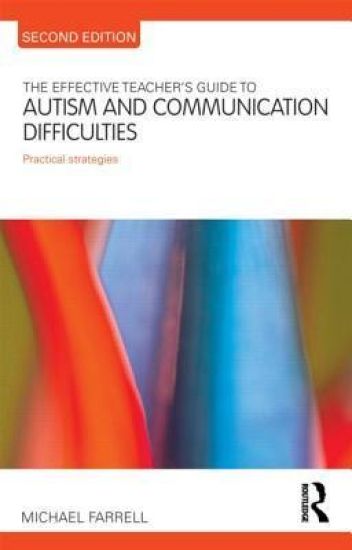
The Effective Teacher's Guide to Autism and Communication Difficulties
In this welcome second edition of The Effective Teacher’s Guide to Autism and Communication Difficulties, best-selling author Michael Farrell addresses how teachers and others can develop provision for students with autism and students that have difficulties with speech, grammar, meaning, use of language and comprehension. Updated and expanded, this book allows the teacher to be self-critical in developing classroom approaches and offers up-to-date research combined with professional experience on how to best achieve good practice in the classroom. This accessible book offers down-to-earth information on: Terms and definitions Legal considerations Classroom strategies Useful resources Pedagogical issues.This new edition will be a useful source of ideas and guidance for teachers and others working with children with autism or other communication disorders. It will also be useful for all new teachers, for those continuing professional development, school mamagers and administrators.