

Kirjahaku
Etsi kirjoja tekijän nimen, kirjan nimen tai ISBN:n perusteella.
10 kirjaa tekijältä Michael Paraskos
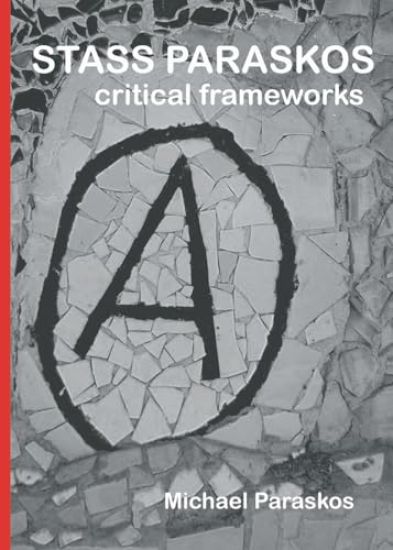
Stass Paraskos: Critical Frameworks re-examines one of Cyprus's most significant modern artists through a fresh theoretical lens. Drawing on Hayden White's theory of emplotment and post-colonial theory, including the writings of Rasheed Araeen, Homi K. Bhabha, Stuart Hall and Edward Said, this book challenges long-standing assumptions about Paraskos as a 'peasant painter' or naive modernist. Instead, it presents him as an intellectually self-aware artist whose practice was both rooted in Cyprus and in a dialogue with international modernism. Through close readings of Paraskos's paintings, writings and his founding of the Cyprus College of Art, Stass Paraskos: Critical Frameworks explores questions of artistic identity, migration, colonial inheritance and cultural resistance. It also situates his work within wider debates on hybridity, marginality and the politics of interpretation that affect artists working beyond the traditional centres of the Western art world. Far from being a regional study, this is a book about how we interpret art itself, how critical narratives are formed and how they might be challenged. In rethinking the conceptual framework through which we view Paraskos and his work, we are invited to consider new and more pluralistic ways of writing art history, not only for Cyprus, but for the global condition of art today.


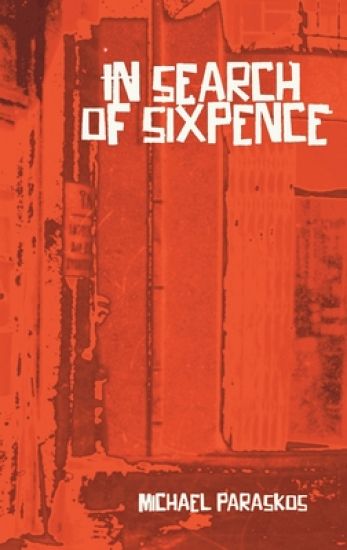

Accidentally locked in a church cupboard for twenty years, it's hardly surprising the 'poor devil', Titivillus, had missed a few things. But was he really to blame for screwing up payment on a contract for a human soul?His intended victim seems to think so, but does the Sale of Goods Act even apply to contracts with the Lord of Darkness?And is making the victim into an eminent art historian ever going to be an adequate good-will gesture for the mistake?And, what has any of this to do with Barfrestone church in Kent?

Accidentally locked in a church cupboard for twenty years, it's hardly surprising the 'poor devil', Titivillus, had missed a few things. But was he really to blame for screwing up payment on a contract for a human soul?His intended victim seems to think so, but does the Sale of Goods Act even apply to contracts with the Lord of Darkness?And is making the victim into an eminent art historian ever going to be an adequate good-will gesture for the mistake?More to the point, what has any of this to do with Barfrestone church in Kent and is this still art history?This edition includes the Art-Art History Manifesto.