Kirjojen hintavertailu. Mukana 11 944 791 kirjaa ja 12 kauppaa.

Kirjahaku

Etsi kirjoja tekijän nimen, kirjan nimen tai ISBN:n perusteella.

47 kirjaa tekijältä Michael Pollan

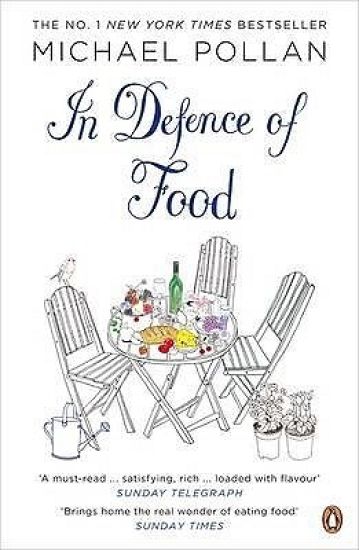
In Defence of Food

In Defence of Food

Michael Pollan

Penguin Books Ltd
2009
pokkari
Michael Pollan's In Defence of Food is a simple invitation to junk the science, ditch the diet and instead rediscover the joys of eating well. This book is a celebration of food. By food, Michael Pollan means real, proper, simple food - not the kind that comes in a packet, or has lists of unpronounceable ingredients, or that makes nutritional claims about how healthy it is. More like the kind of food your great-grandmother would recognize. By following a few pieces of advice (Eat at a table - a desk doesn't count. Don't buy food where you'd buy your petrol!), you will enrich your life and your palate, and enlarge your sense of what it means to be healthy and happy. It's time to fall in love with food again. 'Brings home the real wonder of eating food' Sunday Times 'Instantly makes redundant all diet books and 99 per cent of discussions around healthy eating ... Sense, at last' Daily Mail 'Pollan invites us to grab our pots and pans and cook some real food for dinner' Time Out 'Read this witty book for a healthier life and diet' The Times 'Eminently sensible' Fay Maschler, Keynote 'A must-read ... satisfying, rich ... loaded with flavour' Sunday Telegraph For the past twenty years, Michael Pollan has been writing about the places where the human and natural worlds intersect: food, agriculture, gardens, drugs, and architecture. His most recent book, about the ethics and ecology of eating, is The Omnivore's Dilemma, named one of the ten best books of 2006 by the New York Times and the Washington Post. He is also the author of The Botany of Desire, A Place of My Own and Second Nature.
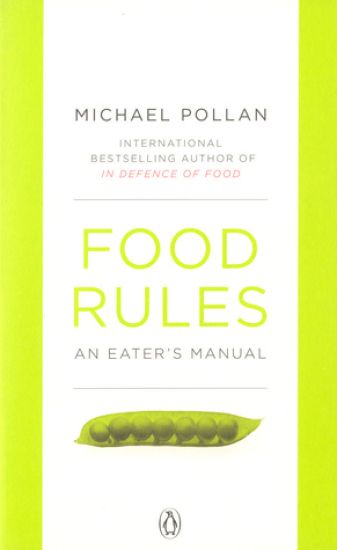
Food Rules

Food Rules

Michael Pollan

Penguin Books Ltd
2010
nidottu
In sixty-four bite-sized pieces of advice, Michael Pollan's Food Rules tells you everything you need to know to eat healthily, dine happily and live well. Eat food. Mostly plants. Not too much. Using those seven simple words as his guide, internationally-acclaimed food journalist Michael Pollan offers this indispensable handbook for anyone concerned about health and food. Sensible, easy to use and written in plain English, Food Rules is a set of memorable adages or designed to help you eat real food in reasonable amounts, gathered from a wide variety of sources: nutritionists, anthropologists, ancient cultures - and grandmothers. Whether at the supermarket, a restaurant or an all-you-can-eat buffet, this handy, pocket-size resource is the perfect manual for anyone who would like to become more mindful of the food we eat. 'In more than four decades I have come across nothing more intelligent, sensible and simple to follow than these principles' The New York Times 'Instantly makes redundant all diet books and 99 per cent of discussions around healthy eating ... Sense, at last' Daily Mail, praise for In Defence of Food 'Pollan invites us to grab our pots and pans and cook some real food for dinner' Time Out, praise for In Defence of Food 'Read this witty book for a healthier life and diet' The Times, praise for In Defence of Food Michael Pollan has been writing for over twenty years about the places where the human and natural worlds intersect: food, agriculture, gardens, drugs, and architecture. The Omnivore's Dilemma, about the ethics and ecology of eating, was named one of the ten best books of 2006 by the New York Times and the Washington Post. He is also the author of The Botany of Desire, A Place of My Own and Second Nature and, most recently, In Defence of Food.
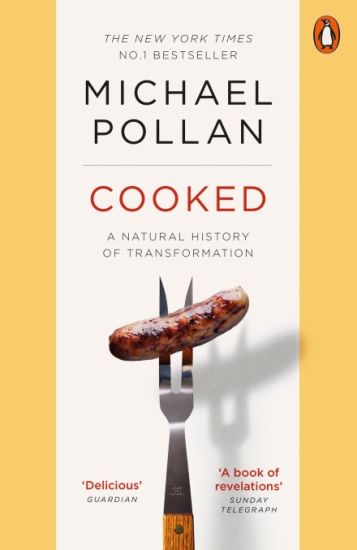
Cooked

Cooked

Michael Pollan

Penguin Books Ltd
2014
pokkari
THE INSPIRATION FOR THE NEW NETFLIX SERIES 'It's not often that a life-changing book falls into one's lap ... Yet Michael Pollan's Cooked is one of them.' SundayTelegraph'This is a love song to old, slow kitchen skills at their delicious best' Kathryn Huges, GUARDIAN BOOKS OF THE YEARThe New York Times Top Five Bestseller - Michael Pollan's uniquely enjoyable quest to understand the transformative magic of cookingMichael Pollan's Cooked takes us back to basics and first principles: cooking with fire, with water, with air and with earth.Meeting cooks from all over the world, who share their wisdom and stories, Pollan shows how cooking is at the heart of our culture and that when it gets down to it, it also fundamentally shapes our lives.Filled with fascinating facts and curious, mouthwatering tales from cast of eccentrics, Cooked explores the deepest mysteries of how and why we cook.
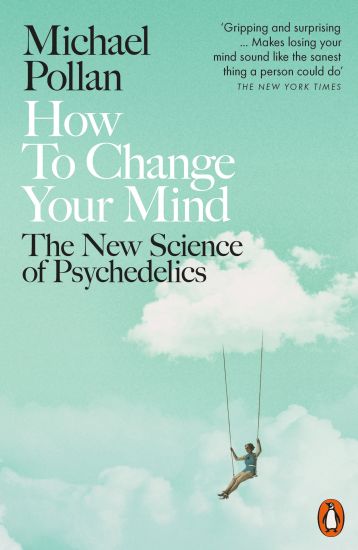
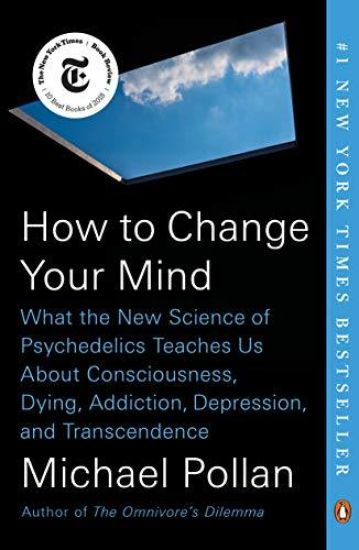
How to Change Your Mind

How to Change Your Mind

Michael Pollan

Penguin Books Ltd.
2019
pokkari
Diving deep into an extraordinary world - from shamans and magic mushroom hunts to the pioneering labs mapping our brains - and putting himself forward as a guinea-pig, Michael Pollan has written a remarkable history of psychedelics and a compelling portrait of the new generation of scientists fascinated by the implications of these drugs. How to Change Your Mind is a report from what could very well be the future of consciousness.'A sweeping and often thrilling chronicle of the history of psychedelics, all interwoven with Pollan's adventures as a psychedelic novice. This is a serious work of history and science, but also one in which the author, under the influence of toad venom, becomes convinced he's giving birth to himself' Oliver Burkeman, Guardian.'A mind-altering book ... full of transformations' Richard Godwin, Evening Standard.
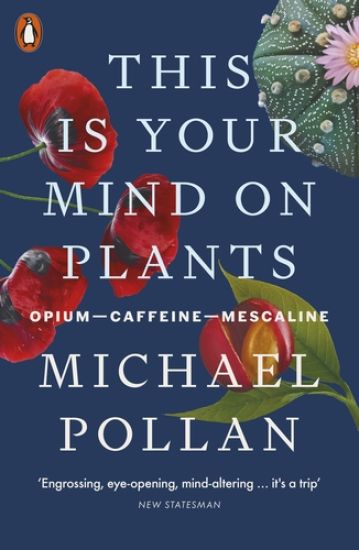
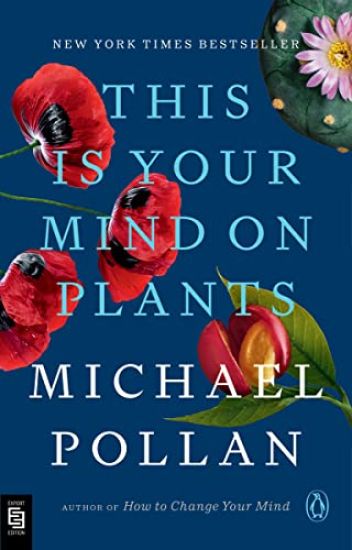
This Is Your Mind On Plants

This Is Your Mind On Plants

Michael Pollan

PENGUIN BOOKS LTD
2022
pokkari
THE INSPIRATION FOR THE MAJOR NEW NETFLIX SERIES, HOW TO CHANGE YOUR MIND 'It's a trip - engrossing, eye-opening, mind altering' New Statesman 'Fascinating. Pollan is the perfect guide ... curious, careful, open minded' The Guardian Of all the many things humans rely on plants for, surely the most curious is our use of them to change consciousness: to stimulate, calm, or completely alter the qualities of our mental experience. In This Is Your Mind On Plants, Michael Pollan explores three very different drugs - opium, caffeine and mescaline - and throws the fundamental strangeness of our thinking about them into sharp relief. Exploring and participating in the cultures that have grown up around these drugs, while consuming (or in the case of caffeine, trying not to consume) them, Pollan reckons with the powerful human attraction to psychoactive plants, and the equally powerful taboos. In a unique blend of history, science, memoir and reportage, Pollan shines a fresh light on a subject that is all too often treated reductively. In doing so, he proves that there is much more to say about these plants than simply debating their regulation, for when we take them into our bodies and let them change our minds, we are engaging with nature in one of the most profound ways we can. This ground-breaking and singular book holds up a mirror to our fundamental human needs and aspirations, the operations of our minds and our entanglement with the natural world.
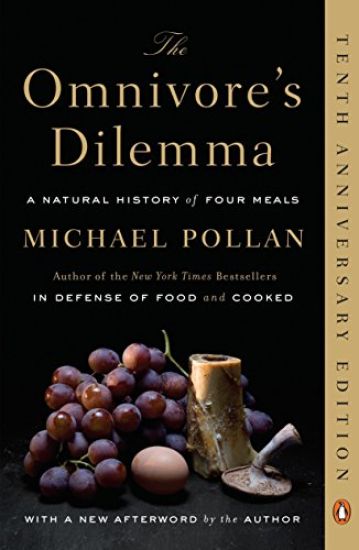
The Omnivore's Dilemma: A Natural History of Four Meals
"Outstanding . . . a wide-ranging invitation to think through the moral ramifications of our eating habits." --The New Yorker One of the New York Times Book Review's Ten Best Books of the Year and Winner of the James Beard Award Author of This is Your Mind on Plants, How to Change Your Mind and the #1 New York Times Bestseller In Defense of Food and Food Rules What should we have for dinner? Ten years ago, Michael Pollan confronted us with this seemingly simple question and, with The Omnivore's Dilemma, his brilliant and eye-opening exploration of our food choices, demonstrated that how we answer it today may determine not only our health but our survival as a species. In the years since, Pollan's revolutionary examination has changed the way Americans think about food. Bringing wide attention to the little-known but vitally important dimensions of food and agriculture in America, Pollan launched a national conversation about what we eat and the profound consequences that even the simplest everyday food choices have on both ourselves and the natural world. Ten years later, The Omnivore's Dilemma continues to transform the way Americans think about the politics, perils, and pleasures of eating.
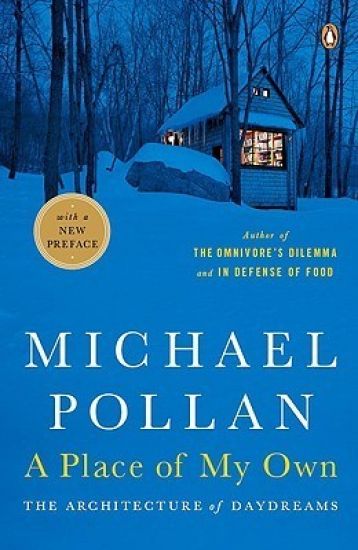
A Place of My Own: The Architecture of Daydreams
"A glorious piece of prose . . . Pollan leads readers on his adventure with humor and grace." --Chicago Tribune A captivating personal inquiry into the art of architecture, the craft of building, and the meaning of modern work "A room of one's own: Is there anybody who hasn't at one time or another wished for such a place, hasn't turned those soft words over until they'd assumed a habitable shape?" When Michael Pollan decided to plant a garden, the result was the acclaimed bestseller Second Nature. In A Place of My Own, he turns his sharp insight to the craft of building, as he recounts the process of designing and constructing a small one-room structure on his rural Connecticut property--a place in which he hoped to read, write, and daydream, built with his own two unhandy hands. Michael Pollan's unmatched ability to draw lines of connection between our everyday experiences--whether eating, gardening, or building--and the natural world has been the basis for the popular success of his many works of nonfiction, including the genre-defining bestsellers The Omnivore's Dilemma and In Defense of Food. With this updated edition of his earlier book A Place of My Own, readers can revisit the inspired, intelligent, and often hilarious story of Pollan's realization of a room of his own--a small, wooden hut, his "shelter for daydreams"--built with his admittedly unhandy hands. Inspired by both Thoreau and Mr. Blandings, A Place of My Own not only works to convey the history and meaning of all human building, it also marks the connections between our bodies, our minds, and the natural world.
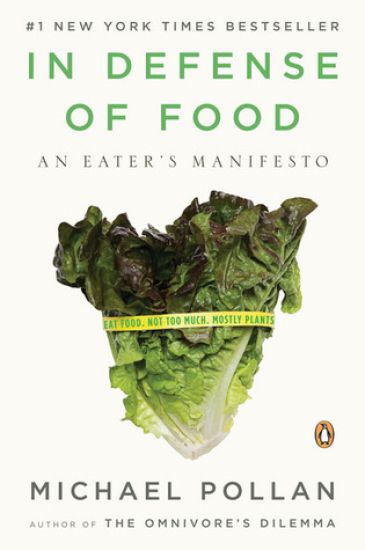
In Defense of Food: An Eater's Manifesto

In Defense of Food: An Eater's Manifesto

Michael Pollan

PENGUIN BOOKS
2009
nidottu
#1 New York Times Bestseller from the author of This is Your Mind on Plants, How to Change Your Mind, The Omnivore's Dilemma, and Food Rules Food. There's plenty of it around, and we all love to eat it. So why should anyone need to defend it? Because in the so-called Western diet, food has been replaced by nutrients, and common sense by confusion--most of what we're consuming today is longer the product of nature but of food science. The result is what Michael Pollan calls the American Paradox: The more we worry about nutrition, the less healthy we see to become. With In Defense of Food, Pollan proposes a new (and very old) answer to the question of what we should eat that comes down to seven simple but liberating words: "Eat food. Not too much. Mostly plants." Pollan's bracing and eloquent manifesto shows us how we can start making thoughtful food choices that will enrich our lives, enlarge our sense of what it means to be healthy, and bring pleasure back to eating.
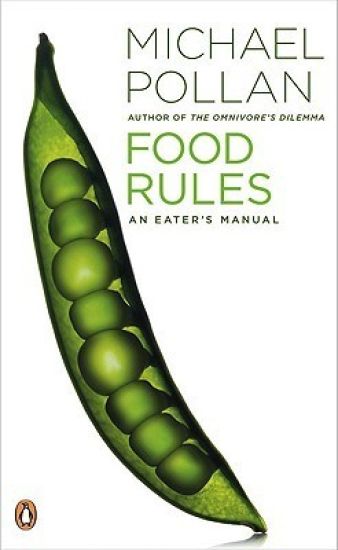
Food Rules: An Eater's Manual

Food Rules: An Eater's Manual

Michael Pollan

PENGUIN BOOKS
2010
nidottu
#1 New York Times Bestseller A useful and funny purse-sized manual that could easily replace all the diet books on your bookshelf. --Tara Parker-Pope, The New York Times A definitive compendium of food wisdom Eating doesn't have to be so complicated. In this age of ever-more elaborate diets and conflicting health advice, Food Rules brings welcome simplicity to our daily decisions about food. Written with clarity, concision, and wit that has become bestselling author Michael Pollan's trademark, this indispensable handbook lays out a set of straightforward, memorable rules for eating wisely, one per page, accompanied by a concise explanation. It's an easy-to-use guide that draws from a variety of traditions, suggesting how different cultures through the ages have arrived at the same enduring wisdom about food. Whether at the supermarket or an all-you-can-eat buffet, this is the perfect guide for anyone who ever wondered, "What should I eat?" In the more than four decades that I have been reading and writing about the findings of nutritional science, I have come across nothing more intelligent, sensible and simple to follow than the 64 principles outlined in a slender, easy-to-digest new book called Food Rules: An Eater's Manual, by Michael Pollan. --Jane Brody, The New York Times It doesn't get much easier than this. Each page has a simple rule, sometimes with a short explanation, sometimes without, that promotes Pollan's back-to-the-basics-of-food (and-food-enjoyment) philosophy. --The Los Angeles Times
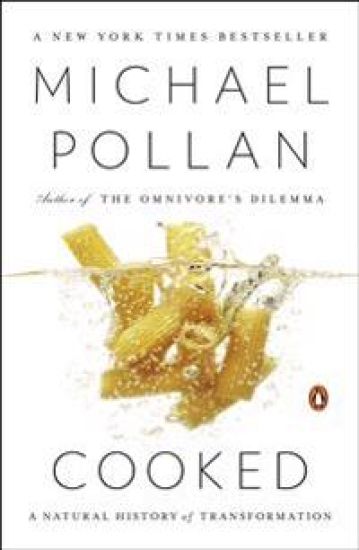
Cooked: A Natural History of Transformation
Michael Pollan, the bestselling author of The Omnivore's Dilemma, Food Rules, How to Change Your Mind, and This is Your Mind on Plants explores the previously uncharted territory of his own kitchen in Cooked. "Having described what's wrong with American food in his best-selling The Omnivore's Dilemma (2006), New York Times contributor Pollan delivers a more optimistic but equally fascinating account of how to do it right. . . . A delightful chronicle of the education of a cook who steps back frequently to extol the scientific and philosophical basis of this deeply satisfying human activity." --Kirkus (starred review) Cooked is now a Netflix docuseries based on the book that focuses on the four kinds of "transformations" that occur in cooking. Directed by Oscar-winning filmmaker Alex Gibney and starring Michael Pollan, Cooked teases out the links between science, culture and the flavors we love. In Cooked, Pollan discovers the enduring power of the four classical elements--fire, water, air, and earth--to transform the stuff of nature into delicious things to eat and drink. Apprenticing himself to a succession of culinary masters, Pollan learns how to grill with fire, cook with liquid, bake bread, and ferment everything from cheese to beer. Each section of Cooked tracks Pollan's effort to master a single classic recipe using one of the four elements. A North Carolina barbecue pit master tutors him in the primal magic of fire; a Chez Panisse-trained cook schools him in the art of braising; a celebrated baker teaches him how air transforms grain and water into a fragrant loaf of bread; and finally, several mad-genius "fermentos" (a tribe that includes brewers, cheese makers, and all kinds of picklers) reveal how fungi and bacteria can perform the most amazing alchemies of all. The reader learns alongside Pollan, but the lessons move beyond the practical to become an investigation of how cooking involves us in a web of social and ecological relationships. Cooking, above all, connects us. The effects of not cooking are similarly far reaching. Relying upon corporations to process our food means we consume large quantities of fat, sugar, and salt; disrupt an essential link to the natural world; and weaken our relationships with family and friends. In fact, Cooked argues, taking back control of cooking may be the single most important step anyone can take to help make the American food system healthier and more sustainable. Reclaiming cooking as an act of enjoyment and self-reliance, learning to perform the magic of these everyday transformations, opens the door to a more nourishing life.
A World Appears: Exploring the Labyrinth of Consciousness
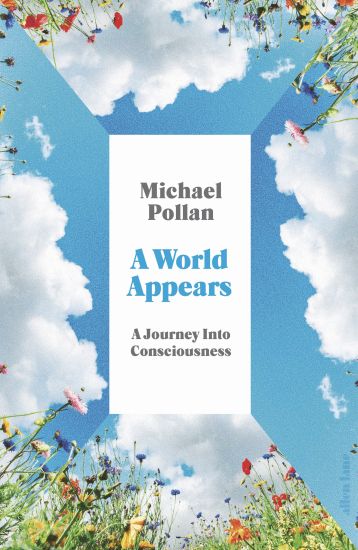
From the bestselling author of How to Change Your Mind, a pioneering search for consciousness in the brain and beyond A World Appears is the story of the quest to solve the greatest mystery in nature: consciousness. How does it feel to be you with your own personal feelings, thoughts and experiences? Every one of us is intimately familiar with consciousness, but no one knows how – or why – it came to be that three pounds of grey matter can generate a subjective point of view.The early 1990s marked the birth of a new science of consciousness, based on the assumption that the phenomenon could be explained in terms of brain activity, but that effort is faltering, and wilder ideas, such as panpsychism, are now getting a hearing. Indeed, there is now reason to doubt that ‘objective science’ as we have known it since Galileo has the right tools to plumb first-person experience. A World Appears takes Michael Pollan from the laboratories where scientists are searching for the neural correlates of consciousness to encounters with philosophers and novelists and Buddhist monks, whom he finds have just as much to teach us about consciousness, if not more.A story that begins in a brain lab in Seattle ends, of all places, in a cave in the mountains of New Mexico, where the author discovers that explaining consciousness may be less urgent than learning to practice it in our everyday lives.
The Botany of Desire: A Plant's-Eye View of the World
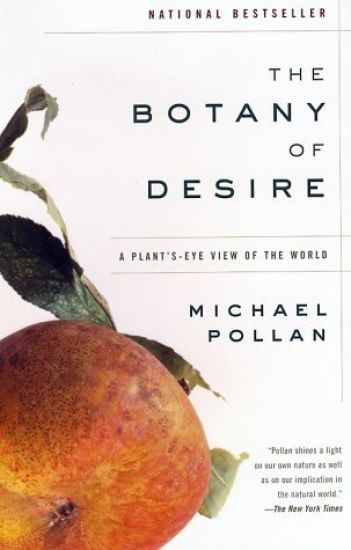
"Pollan shines a light on our own nature as well as on our implication in the natural world." --The New York Times "A wry, informed pastoral." --The New Yorker The book that helped make Michael Pollan, the New York Times bestselling author of How to Change Your Mind, Cooked and The Omnivore's Dilemma, one of the most trusted food experts in America Every schoolchild learns about the mutually beneficial dance of honeybees and flowers: The bee collects nectar and pollen to make honey and, in the process, spreads the flowers' genes far and wide. In The Botany of Desire, Michael Pollan ingeniously demonstrates how people and domesticated plants have formed a similarly reciprocal relationship. He masterfully links four fundamental human desires--sweetness, beauty, intoxication, and control--with the plants that satisfy them: the apple, the tulip, marijuana, and the potato. In telling the stories of four familiar species, Pollan illustrates how the plants have evolved to satisfy humankind's most basic yearnings. And just as we've benefited from these plants, we have also done well by them. So who is really domesticating whom?
This Is Your Mind on Plants

This Is Your Mind on Plants

Michael Pollan

PENGUIN BOOKS
2022
nidottu
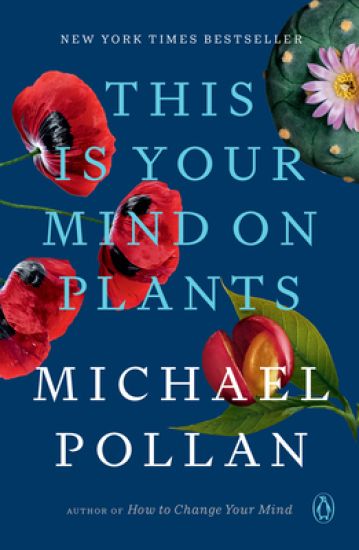
The instant New York Times bestseller A Washington Post Notable Book One of NPR's Best Books of the Year "Expert storytelling . . . Pollan] masterfully elevates a series of big questions about drugs, plants and humans that are likely to leave readers thinking in new ways." --New York Times Book Review From #1 New York Times bestselling author Michael Pollan, a radical challenge to how we think about drugs, and an exploration into the powerful human attraction to psychoactive plants--and the equally powerful taboos. Of all the things humans rely on plants for--sustenance, beauty, medicine, fragrance, flavor, fiber--surely the most curious is our use of them to change consciousness: to stimulate or calm, fiddle with or completely alter, the qualities of our mental experience. Take coffee and tea: People around the world rely on caffeine to sharpen their minds. But we do not usually think of caffeine as a drug, or our daily use as an addiction, because it is legal and socially acceptable. So, then, what is a "drug"? And why, for example, is making tea from the leaves of a tea plant acceptable, but making tea from a seed head of an opium poppy a federal crime? In This Is Your Mind on Plants, Michael Pollan dives deep into three plant drugs--opium, caffeine, and mescaline--and throws the fundamental strangeness, and arbitrariness, of our thinking about them into sharp relief. Exploring and participating in the cultures that have grown up around these drugs while consuming (or, in the case of caffeine, trying not to consume) them, Pollan reckons with the powerful human attraction to psychoactive plants. Why do we go to such great lengths to seek these shifts in consciousness, and then why do we fence that universal desire with laws and customs and fraught feelings? In this unique blend of history, science, and memoir, as well as participatory journalism, Pollan examines and experiences these plants from several very different angles and contexts, and shines a fresh light on a subject that is all too often treated reductively--as a drug, whether licit or illicit. But that is one of the least interesting things you can say about these plants, Pollan shows, for when we take them into our bodies and let them change our minds, we are engaging with nature in one of the most profound ways we can. Based in part on an essay published almost twenty-five years ago, this groundbreaking and singular consideration of psychoactive plants, and our attraction to them through time, holds up a mirror to our fundamental human needs and aspirations, the operations of our minds, and our entanglement with the natural world.
This Is Your Mind on Plants

This Is Your Mind on Plants

Michael Pollan

Random House Large Print Publishing
2021
nidottu
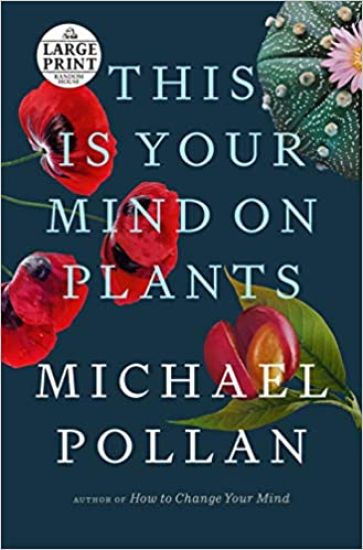
From #1 New York Times bestselling author Michael Pollan, a radical challenge to how we think about drugs, and an exploration into the powerful human attraction to psychoactive plants--and the equally powerful taboos. Of all the things humans rely on plants for--sustenance, beauty, medicine, fragrance, flavor, fiber--surely the most curious is our use of them to change consciousness: to stimulate or calm, fiddle with or completely alter, the qualities of our mental experience. Take coffee and tea: People around the world rely on caffeine to sharpen their minds. But we do not usually think of caffeine as a drug, or our daily use as an addiction, because it is legal and socially acceptable. So, then, what is a "drug"? And why, for example, is making tea from the leaves of a tea plant acceptable, but making tea from a seed head of an opium poppy a federal crime? In This Is Your Mind on Plants, Michael Pollan dives deep into three plant drugs--opium, caffeine, and mescaline--and throws the fundamental strangeness, and arbitrariness, of our thinking about them into sharp relief. Exploring and participating in the cultures that have grown up around these drugs while consuming (or, in the case of caffeine, trying not to consume) them, Pollan reckons with the powerful human attraction to psychoactive plants. Why do we go to such great lengths to seek these shifts in consciousness, and then why do we fence that universal desire with laws and customs and fraught feelings? In this unique blend of history, science, and memoir, as well as participatory journalism, Pollan examines and experiences these plants from several very different angles and contexts, and shines a fresh light on a subject that is all too often treated reductively--as a drug, whether licit or illicit. But that is one of the least interesting things you can say about these plants, Pollan shows, for when we take them into our bodies and let them change our minds, we are engaging with nature in one of the most profound ways we can. Based in part on an essay published almost twenty-five years ago, this groundbreaking and singular consideration of psychoactive plants, and our attraction to them through time, holds up a mirror to our fundamental human needs and aspirations, the operations of our minds, and our entanglement with the natural world.
This Is Your Mind on Plants
Of all the things humans rely on plants for-sustenance, beauty, medicine, fragrance, flavor, fiber-surely the most curious is our use of them to change consciousness: to stimulate or calm, fiddle with or completely alter, the qualities of our mental experience. Take coffee and tea: People around the world rely on caffeine to sharpen their minds. But we do not usually think of caffeine as a drug, or our daily use as an addiction, because it is legal and socially acceptable. So, then, what is a "drug"? And why, for example, is making tea from the leaves of a tea plant acceptable, but making tea from a seed head of an opium poppy a federal crime?In This Is Your Mind on Plants, Michael Pollan dives deep into three plant drugs-opium, caffeine, and mescaline-and throws the fundamental strangeness, and arbitrariness, of our thinking about them into sharp relief. Exploring and participating in the cultures that have grown up around these drugs while consuming (or, in the case of caffeine, trying not to consume) them, Pollan reckons with the powerful human attraction to psychoactive plants. Why do we go to such great lengths to seek these shifts in consciousness, and then why do we fence that universal desire with laws and customs and fraught feelings?In this unique blend of history, science, and memoir, as well as participatory journalism, Pollan examines and experiences these plants from several very different angles and contexts, and shines a fresh light on a subject that is all too often treated reductively-as a drug, whether licit or illicit. But that is one of the least interesting things you can say about these plants, Pollan shows, for when we take them into our bodies and let them change our minds, we are engaging with nature in one of the most profound ways we can. Based in part on an essay published almost twenty-five years ago, this groundbreaking and singular consideration of psychoactive plants, and our attraction to them through time, holds up a mirror to our fundamental human needs and aspirations, the operations of our minds, and our entanglement with the natural world.
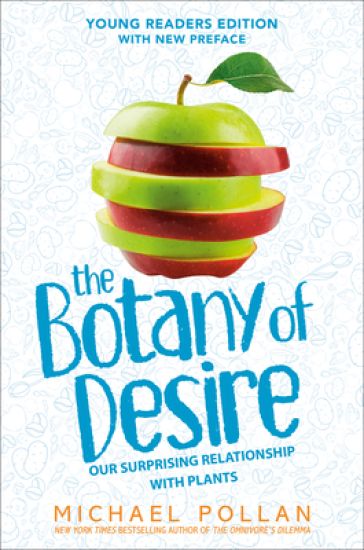
The Botany of Desire Young Readers Edition

The Botany of Desire Young Readers Edition

Michael Pollan

Penguin Young Readers
2024
pokkari
In this entertaining young readers edition of the environmental studies classic, Michael Pollan demonstrates how people and domesticated plants have formed a reciprocal relationship. He links four fundamental human desires—sweetness, beauty, energy, and control—with the plants that satisfy them: the apple, the tulip, coffee, and the potato. In telling the stories of four familiar species, Pollan illustrates how the plants have evolved to satisfy humankind’s most basic yearnings. And just as we’ve benefited from these plants, we have also helped them to thrive.
This Is Your Mind on Plants

This Is Your Mind on Plants

Michael Pollan

PENGUIN AUDIOBOOKS
2021
cd
The instant New York Times bestseller A Washington Post Notable Book One of NPR's Best Books of the Year "Expert storytelling . . . Pollan] masterfully elevates a series of big questions about drugs, plants and humans that are likely to leave readers thinking in new ways." --New York Times Book Review From #1 New York Times bestselling author Michael Pollan, a radical challenge to how we think about drugs, and an exploration into the powerful human attraction to psychoactive plants--and the equally powerful taboos. Of all the things humans rely on plants for--sustenance, beauty, medicine, fragrance, flavor, fiber--surely the most curious is our use of them to change consciousness: to stimulate or calm, fiddle with or completely alter, the qualities of our mental experience. Take coffee and tea: People around the world rely on caffeine to sharpen their minds. But we do not usually think of caffeine as a drug, or our daily use as an addiction, because it is legal and socially acceptable. So, then, what is a "drug"? And why, for example, is making tea from the leaves of a tea plant acceptable, but making tea from a seed head of an opium poppy a federal crime? In This Is Your Mind on Plants, Michael Pollan dives deep into three plant drugs--opium, caffeine, and mescaline--and throws the fundamental strangeness, and arbitrariness, of our thinking about them into sharp relief. Exploring and participating in the cultures that have grown up around these drugs while consuming (or, in the case of caffeine, trying not to consume) them, Pollan reckons with the powerful human attraction to psychoactive plants. Why do we go to such great lengths to seek these shifts in consciousness, and then why do we fence that universal desire with laws and customs and fraught feelings? In this unique blend of history, science, and memoir, as well as participatory journalism, Pollan examines and experiences these plants from several very different angles and contexts, and shines a fresh light on a subject that is all too often treated reductively--as a drug, whether licit or illicit. But that is one of the least interesting things you can say about these plants, Pollan shows, for when we take them into our bodies and let them change our minds, we are engaging with nature in one of the most profound ways we can. Based in part on an essay published almost twenty-five years ago, this groundbreaking and singular consideration of psychoactive plants, and our attraction to them through time, holds up a mirror to our fundamental human needs and aspirations, the operations of our minds, and our entanglement with the natural world.
How to Change Your Mind: What the New Science of Psychedelics Teaches Us about Consciousness, Dying, Addiction, Depression, and Transcendence
"Pollan keeps you turning the pages . . . cleareyed and assured." --New York Times A #1 New York Times Bestseller, New York Times Book Review 10 Best Books of 2018, and New York Times Notable Book A brilliant and brave investigation into the medical and scientific revolution taking place around psychedelic drugs--and the spellbinding story of his own life-changing psychedelic experiences When Michael Pollan set out to research how LSD and psilocybin (the active ingredient in magic mushrooms) are being used to provide relief to people suffering from difficult-to-treat conditions such as depression, addiction and anxiety, he did not intend to write what is undoubtedly his most personal book. But upon discovering how these remarkable substances are improving the lives not only of the mentally ill but also of healthy people coming to grips with the challenges of everyday life, he decided to explore the landscape of the mind in the first person as well as the third. Thus began a singular adventure into various altered states of consciousness, along with a dive deep into both the latest brain science and the thriving underground community of psychedelic therapists. Pollan sifts the historical record to separate the truth about these mysterious drugs from the myths that have surrounded them since the 1960s, when a handful of psychedelic evangelists inadvertently catalyzed a powerful backlash against what was then a promising field of research. A unique and elegant blend of science, memoir, travel writing, history, and medicine, How to Change Your Mind is a triumph of participatory journalism. By turns dazzling and edifying, it is the gripping account of a journey to an exciting and unexpected new frontier in our understanding of the mind, the self, and our place in the world. The true subject of Pollan's "mental travelogue" is not just psychedelic drugs but also the eternal puzzle of human consciousness and how, in a world that offers us both suffering and joy, we can do our best to be fully present and find meaning in our lives.
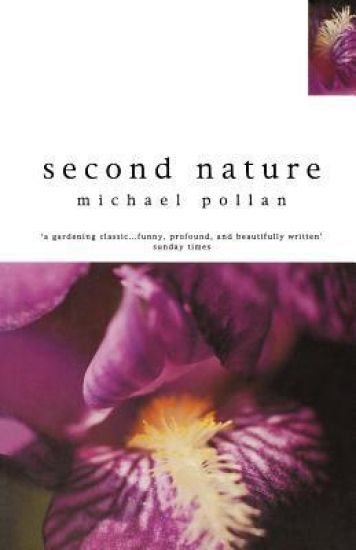
Second Nature

Second Nature

Michael Pollan

Bloomsbury Publishing PLC
1997
pokkari
This is an account of one man's experience in his garden. The book invites an exploration of unexamined feelings about nature and the place of society in the landscape, and what gardening has to teach about the troubled borders between nature and culture.
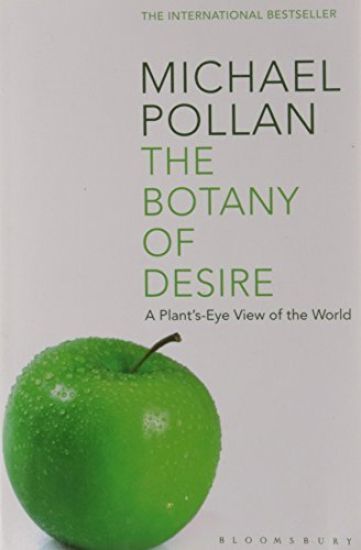
The Botany of Desire

The Botany of Desire

Michael Pollan

Bloomsbury Publishing PLC
2003
pokkari
A farmer cultivates genetically modified potatoes so that a customer at McDonald's half a world away can enjoy a long, golden french fry. A gardener plants tulip bulbs in the autumn and in the spring has a riotous patch of colour to admire. Two simple examples of how humans act on nature to get what we want. Or are they? What if those potatoes and tulips have evolved to gratify certain human desires so that humans will help them multiply? What if, in other words, these plants are using us just as we use them? In blending history, memoir and superb science writing, Pollan tells the story of four domesticated species - the apple, the tulip, marijuana and the potato. All four plants are integral to our everyday lives and Pollan demonstrates how each has thrived by satisfying one of humankind's most basic desires. Weaving fascinating anecdote and accessible science, Pollan takes the reader on an absorbing journey through the landscape of botany and desire. It is a journey that will change the way we think about our place in nature