Kirjojen hintavertailu. Mukana 11 699 587 kirjaa ja 12 kauppaa.

Kirjahaku

Etsi kirjoja tekijän nimen, kirjan nimen tai ISBN:n perusteella.

11 kirjaa tekijältä Michael Stammers

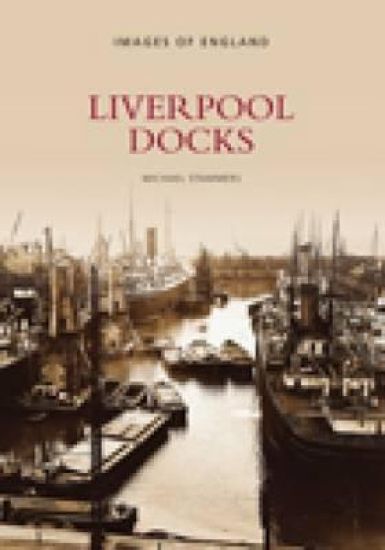
Liverpool Docks

Liverpool Docks

Michael Stammers

The History Press Ltd
1999
nidottu
The story of Liverpool is, in many ways, the story of its docks. Before the docks, trade was limited by the tides and at the mercy of the Mersey's currents. After dock construction began, the city became a hub of Britain's worldwide trading network. Cheshire Salt, Lancashire coal and textiles, Staffordshire pottery and Birmingham metal goods were all export staples and played an important part - until the 1807 abolition - in the infamous African slave trade. At the same time, sugar, rum, cotton and timber were exported in huge quantities. Through the expansion of the empire and the opportunities presented by steam power, the docks continued to grow and prosper. Even after the setbacks and bombing of the Second World War, trade rapidly recovered. However, the pace of change increased in the late 1950s and not to Liverpool's benefit. Passenger liners lost out to airliners (Cunard ships last called here in 1964) and changes in cargo handling led to the displacement of six traditional cargo liners for every new container vessel. There was competition from new container ports like Felixstowe as well as a range of local difficulties. With many contemporary illustrations of people, ships, buildings and machinery, Michael Stammers chronicles not just the rise and fall of Mersey shipping but also the way the docks have bounced back. Redevelopment, restoration and new modes of commerce have put Liverpool’s docks back in the black and the docks continue to be a significant part of the Liverpool of today, albeit a very different-looking docks to the port of over sixty years ago.
Norfolk Shipping

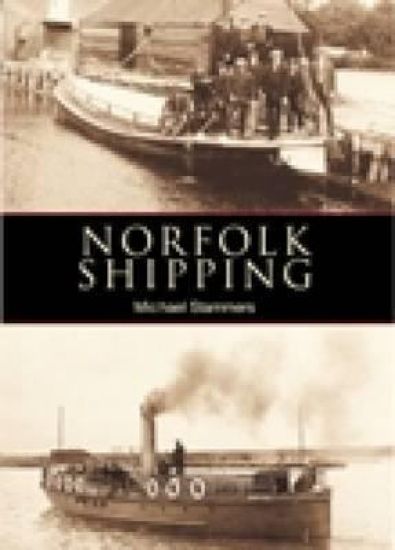
Norfolk Shipping

Michael Stammers

The History Press Ltd
2002
nidottu
The county of Norfolk is surrounded by water, with the North Sea to the east and north, the Great Ouse, Little Ouse and River Waveney to the west and south, and for hundreds of years ships have played a vital role in the economy of the country. No doubt the first boats were log boats from pre-Roman times and evidence of Roman, Anglo-Saxon and Viking boats have been found. From the late eighteenth century onwards, dramatic changes in marine technology saw the growth of steam ships and the gradual decline of traditional sailing craft. Norfolk has, though, been a haven for craft such as the wherries that once plied the Broads, as well as the sailing fishing vessels that once used the harbour at Great Yarmouth. By the 1890s, steam was king and many ships of all types, from tugs to tramp steamers and passenger vessels, were powered by the steam engine.Tourism saw a huge rise in the number of pleasure steamers while the growth of sea travel saw the introduction of lifeboats along the coast from Cromer to Caister. Inside Norfolk Shipping are 200 photographs and images of just some of the many craft that have plied both the North Sea off the coast and inland to the Broads and along the country's main rivers.
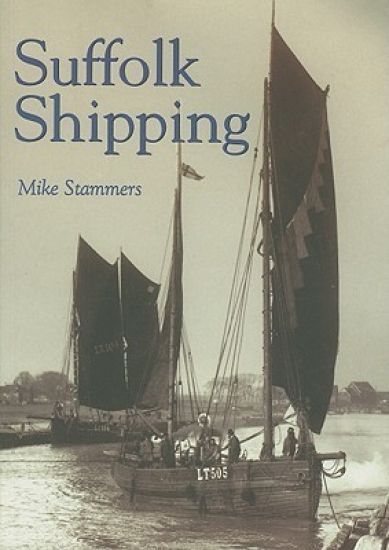
Suffolk Shipping

Suffolk Shipping

Michael Stammers

The History Press Ltd
2003
nidottu
Suffolk is almost surrouned by waters. To the north are the rivers Waveney and Little Ouse, to the west the river Lark, to the south the river Stour, and to the east the North Sea. In the heyday of the North East coal trade, hundreds of sailing colliers negotiated the complex of shoals off the Suffolk coast, and the lighthouses at Lowestoft and Orford were welcome beacons on their passages. Today, the coastal trade is much reduced. The coal trade has gone and has been replaced by traffic in furl, oil, petrol and diesel from the refineries of local distribution depots. On the other hand, bulk cargoes such as grain, stone and timber are still carried by coaster. There are also new trades such as delivery of steel plate and coastal container services. Suffolk Shipping covers just some of the wide range of vessels that have been a part of the maritime scenery of the county for the past two millennia.
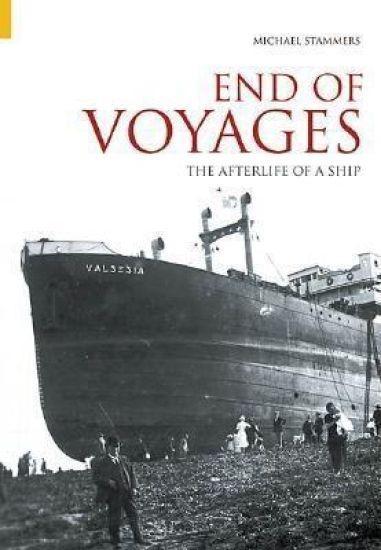
The End of Voyages

The End of Voyages

Michael Stammers

The History Press Ltd
2005
nidottu
Looking at ships over the past two millennia, this book considers the question of 'what happens to a ship when it's no longer needed for its original purpose?' From Roman galleys to ship-wrecking, the whole history of shipping is considered in answering the question.
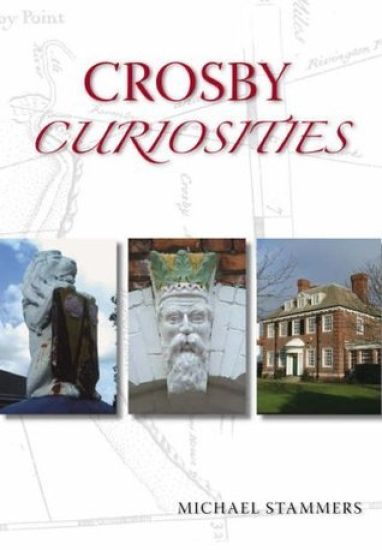
Crosby Curiosities

Crosby Curiosities

Michael Stammers

The History Press Ltd
2006
nidottu
Describes and illustrates a series of local features that played a part in Crosby's history. The first part of this book offers a commentary on different aspects of Crosby's development, while the second part explores the different types of building materials found in Crosby as well as signs, dates, and inscriptions.
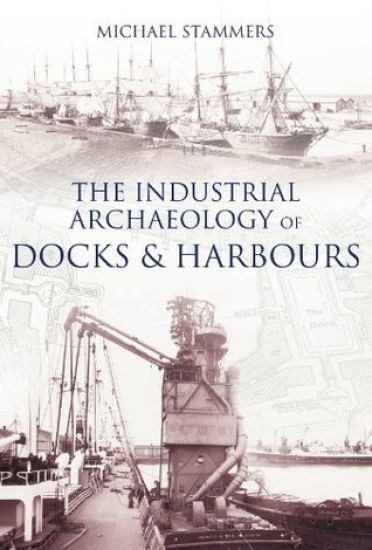
The Industrial Archaeology of Docks and Harbours

The Industrial Archaeology of Docks and Harbours

Michael Stammers

The History Press Ltd
2007
nidottu
Michael Stammers tells the history of the British harbour and looks at the industrial archaeology of both harbours and ports. For over 2,000 years, we have built man-made harbours and, as an island nation, they have played a great part in our history. From the smallest harbour to huge ‘super ports’ like Southampton and Felixstowe, every harbour or port can give a clue to its history and development and Michael Stammers takes us through the history and shows us what remains today to give a clue as to the history of the ports.
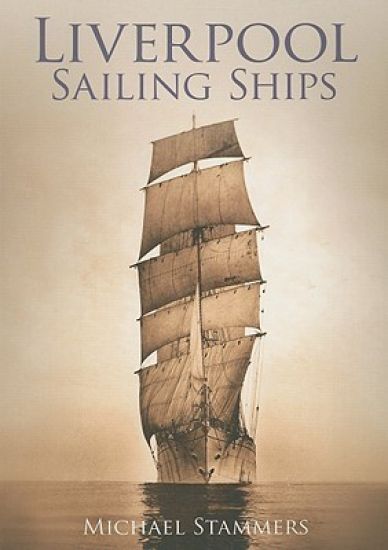
Liverpool Sailing Ships

Liverpool Sailing Ships

Michael Stammers

The History Press Ltd
2007
nidottu
No one knows when the first sail was raised to propel a boat on the River Mersey, but much speculation abounds. Theoretically, sailing ships could have used this stretch of water in as far back as pre-Roman times, but the oldest proven vessel was that of the Middle Ages. In this volume, Michael Stammers tells the history of the many Liverpool sailing ships from 1565, the year of the first list of Liverpool ships - there were twelve, ranging from the bark 'Eagle', of 40 tons to the boat 'Good Luck' of 6 tons - through the age of slavery and into the 1930s. Even after the advent of stream propulsion, sail still ruled in many parts of the world and Liverpool was no exception. Four-masted barques such as 'Olivebank' and 'Celtic Glen' were a common view in the dock system and were a stunning sight to behold.
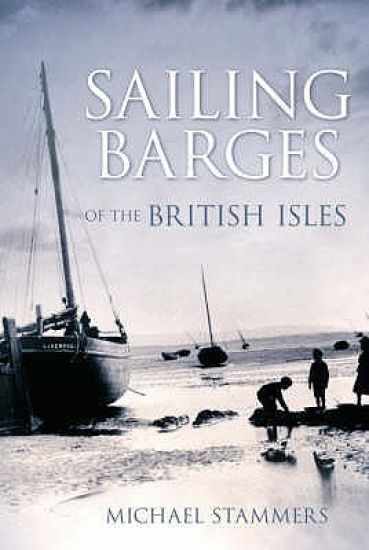
Sailing Barges of the British Isles

Sailing Barges of the British Isles

Michael Stammers

The History Press Ltd
2008
nidottu
In the days before steam, sailing barges were a common sight on the British coast, its rivers, estuaries, broads and river navigations. The most well-known of these vessels are probably the Thames barges and Norfolk Wherries. Whole communities in the late nineteenth and early twentieth century were based around the ownership of fleets of barges which were essential to the commercial infrastructure of the areas where they were from. The 1920s saw the gradual decline of the use of barges but they were far more in their whole than the articulated machinery that replaced them.Sailing Barges of the British Isles describes the skills required for building and maintaining barges, as well as sailmaking, shipwrighting and sailmanship were spread across the maritime world in Britain and through generations.
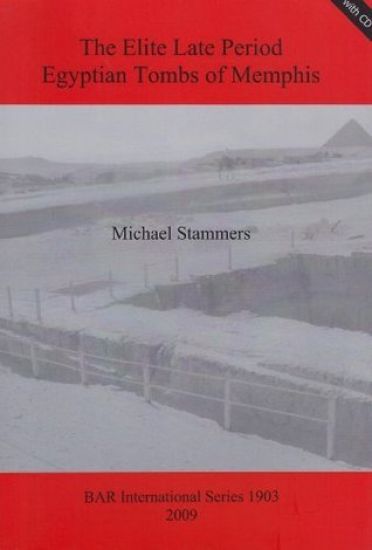
The Elite Late Period Egyptian Tombs of Memphis
This study investigates the drivers for the development of the elite Late Period tombs of the necropoleis of Memphis. It studies their conceptual basis in the context of the social and political situation of the Late Period. It examines the landscape of Memphis and explores the geographic, geological and man-made features that encouraged the creation of a sacred landscape with a view to discovering what features made this a desirable place for the building of tombs and why Late Period clusters of tombs were built in some parts of that landscape but not in others; it also considers the significance of their alignment. It sets out to discover what religious, social or ancestral factors made the elite choose the location of the individual tombs, what determined their structure and how they relate to older as well as contemporary structures. Finally, the reason for the positions of the different burial grounds of Memphis, and the interrelation between them, is explored in order to establish the socio-political factors influencing that choice.