Kirjojen hintavertailu. Mukana 11 699 587 kirjaa ja 12 kauppaa.

Kirjahaku

Etsi kirjoja tekijän nimen, kirjan nimen tai ISBN:n perusteella.

4 kirjaa tekijältä Michael W. Nagle

Justus S. Stearns

Justus S. Stearns

Michael W. Nagle

Wayne State University Press
2015
sidottu
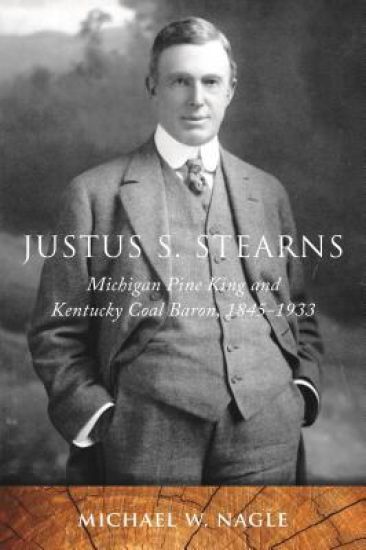
Near the turn of the twentieth century, “Pine King” Justus S. Stearns was Michigan’s largest producer of manufactured lumber and the owner of a prosperous coal mining operation headquartered in Stearns, Kentucky, a town he founded. Over the course of his career, Stearns would own at least thirty manufacturing businesses—making everything from finished lumber to kitchen utensils, game boards, and motors—as well as hotels, a railroad, and a power company. He was also an active member of the Republican Party who served one term as Michigan’s secretary of state and a philanthropist who gave a great deal of his wealth to causes in both Michigan and Kentucky. In Justus S. Stearns: Michigan Pine King and Kentucky Coal Baron, 1845–1933, author Michael W. Nagle details Stearn’s astounding range of accomplishments and explores the influence of both paternalism and Social Darwinism in his business practices.Nagle begins by addressing key events in the first few decades of Stearns’s life and his initial foray into the lumber industry. Subsequent chapters explore Stearns’s political career, his timber operations in Wisconsin, and his coal, lumber, and railroad operations in Kentucky and Tennessee. Nagle also details the ancillary businesses that Stearns founded or purchased in the early twentieth century, even as his Stearns Salt & Lumber Company served as the anchor of his Michigan holdings, while Stearns Coal & Lumber did the same for his operations in Kentucky. The final chapter offers an overview and analysis of Stearns’s lifetime of accomplishments, including his impact on the town of Ludington, Michigan, where he maintained a residence for over fifty years.Nagle makes extensive use of primary source material from several historical archives as well as contemporary newspaper accounts, court documents, company records, and other primary sources. American history scholars, as well as general readers interested in Michigan’s lumbering era and Kentucky’s mining history, will enjoy this biography of an exceptionally influential businessman.
Justus S. Stearns

Justus S. Stearns

Michael W. Nagle

Wayne State University Press
2021
nidottu
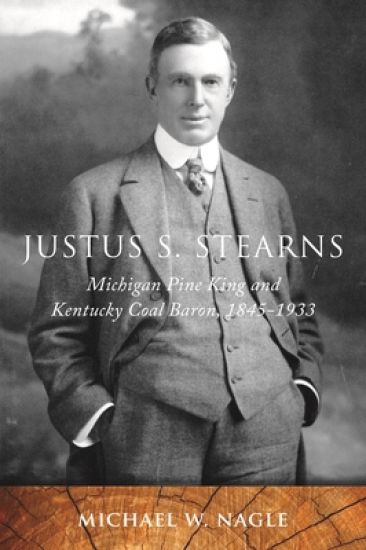
Near the turn of the twentieth century, ""Pine King"" Justus S. Stearns was Michigan's largest producer of manufactured lumber and the owner of a prosperous coal mining operation headquartered in Stearns, Kentucky, a town he founded. Over the course of his career, Stearns would own at least thirty manufacturing businesses-making everything from finished lumber to kitchen utensils, game boards, and motors-as well as hotels, a railroad, and a power company. He was also an active member of the Republican Party who served one term as Michigan's secretary of state and a philanthropist who gave a great deal of his wealth to causes in both Michigan and Kentucky. In Justus S. Stearns: Michigan Pine King and Kentucky Coal Baron, 1845-1933, author Michael W. Nagle details Stearns's astounding range of accomplishments and explores the influence of both paternalism and Social Darwinism in his business practices.Nagle begins by addressing key events in the first few decades of Stearns's life and his initial foray into the lumber industry. Subsequent chapters explore Stearns's political career, his timber operations in Wisconsin, and his coal, lumber, and railroad operations in Kentucky and Tennessee. Nagle also details the ancillary businesses that Stearns founded or purchased in the early twentieth century, even as his Stearns Salt & Lumber Company served as the anchor of his Michigan holdings, while Stearns Coal & Lumber did the same for his operations in Kentucky. The final chapter offers an overview and analysis of Stearns's lifetime of accomplishments, including his impact on the town of Ludington, Michigan, where he maintained a residence for over fifty years.Nagle makes extensive use of primary source material from several historical archives as well as contemporary newspaper accounts, court documents, company records, and other primary sources. American history scholars, as well as general readers interested in Michigan's lumbering era and Kentucky's mining history, will enjoy this biography of an exceptionally influential businessman.
The Forgotten Iron King of the Great Lakes

The Forgotten Iron King of the Great Lakes

Michael W. Nagle

WAYNE STATE UNIVERSITY PRESS
2024
pokkari
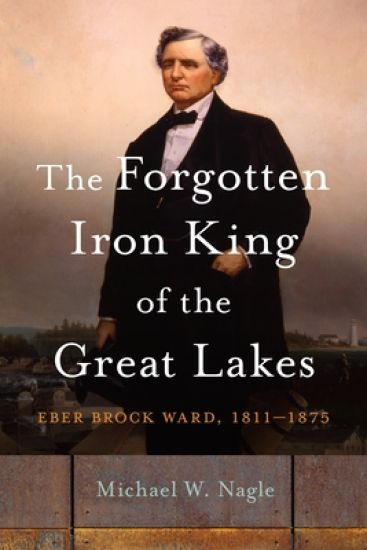
A Gilded Age industrialist becomes Michigan's wealthiest resident and helps shape the nation.Eber Brock Ward (1811–1875) began his career as a cabin boy on his uncle's sailing vessels, but when he died in 1875, he was the wealthiest man in Michigan. His business activities were vast and innovative. Ward was engaged in the steamboat, railroad, lumber, mining, and iron and steel industries. In 1864, his facility near Detroit became the first in the nation to produce steel using the more efficient Bessemer method. Michael W. Nagle demonstrates how much of Ward's success was due to his ability to vertically integrate his business operations, which were undertaken decades before other more famous moguls, such as Andrew Carnegie and John D. Rockefeller. And yet, despite his countless successes, Ward's life was filled with ruthless competition, labor conflict, familial dispute, and scandal. Nagle makes extensive use of Ward's correspondence, business records, contemporary newspaper accounts, and other archival material to craft a balanced profile of this fascinating figure whose actions influenced the history and culture of the Great Lakes and beyond.
The Forgotten Iron King of the Great Lakes

The Forgotten Iron King of the Great Lakes

Michael W. Nagle

WAYNE STATE UNIVERSITY PRESS
2022
sidottu
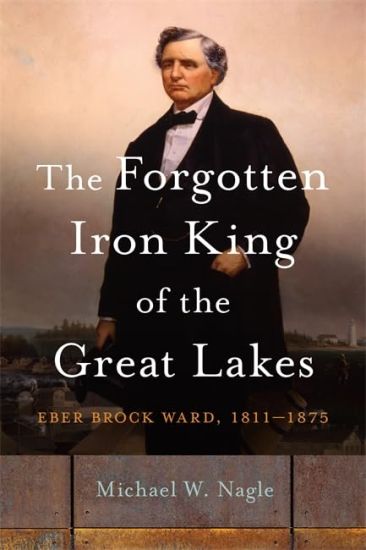
Eber Brock Ward (1811–1875) began his career as a cabin boy on his uncle's sailing vessels, but when he died in 1875, he was the wealthiest man in Michigan. His business activities were vast and innovative. Ward was engaged in the steamboat, railroad, lumber, mining, and iron and steel industries. In 1864, his facility near Detroit became the first in the nation to produce steel using the more efficient Bessemer method. Michael W. Nagle demonstrates how much of Ward's success was due to his ability to vertically integrate his business operations, which were undertaken decades before other more famous moguls, such as Andrew Carnegie and John D. Rockefeller. And yet, despite his countless successes, Ward's life was filled with ruthless competition, labor conflict, familial dispute, and scandal. Nagle makes extensive use of Ward's correspondence, business records, contemporary newspaper accounts, and other archival material to craft a balanced profile of this fascinating figure whose actions influenced the history and culture of the Great Lakes and beyond.