Kirjojen hintavertailu. Mukana 11 342 296 kirjaa ja 12 kauppaa.

Kirjahaku

Etsi kirjoja tekijän nimen, kirjan nimen tai ISBN:n perusteella.

7 kirjaa tekijältä Michael York

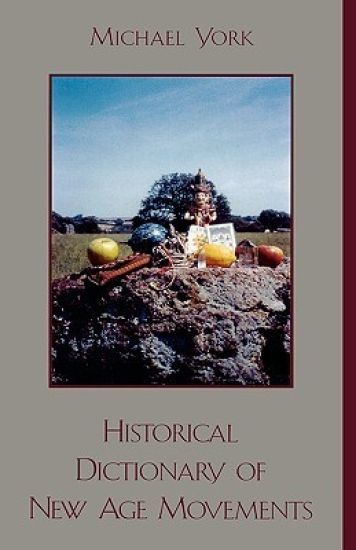
Historical Dictionary of New Age Movements
The decline of institutionalized religion in the increasingly secularized West has been offset by the contemporary spiritual development understood in the form of emerging New Age movements. This Dictionary presents the potpourri of spiritual and psycho-physical therapeutic practices associated with this affirmation of the individual's spiritual freedom, the expectation of a future golden age, the emphasis on self-development and the holistic pluralism that sets the dominant pulse for innovative spirituality in the twenty-first century. This reference furnishes profiles and explanations of New Age spokespeople and leaders, of a range of human potential and self-help practices, of countercultural spiritual developments, and of different groups and organizations that identify as New Age to let the reader decide for herself/himself whatever might be the sincerity, validity, hopes and possible usefulness to be found within the New Age effervescence. The dictionary consists of over 240 individual entries along with an introduction that describes the historical foundations of the New Age orientation and its relation with contemporary Western paganism. It also presents the sociological dimension of New Age expression as well as the kinds of criticism with which the New Age identity must contend. There is both a New Age Chronology and an extensive index that allows the reader access to many different themes and personalities that appear within the various entries that might otherwise be difficult to locate in a dictionary format. Designed to be of helpful use for students and serious academics alike as well as for practitioners of New Age spirituality.

The A to Z of New Age Movements

The A to Z of New Age Movements

Michael York

Scarecrow Press
2009
nidottu
The decline of institutionalized religion in the increasingly secularized West has been offset by the contemporary spiritual development understood in the form of emerging New Age movements. This reference presents the potpourri of spiritual and psycho-physical therapeutic practices associated with this affirmation of the individual's spiritual freedom, the expectation of a future golden age, the emphasis on self-development, and the holistic pluralism that sets the dominant pulse for innovative spirituality in the twenty-first century. The A to Z of New Age Movements furnishes profiles and explanations of New Age spokespeople and leaders, of a range of human potential and self-help practices, of countercultural spiritual developments, and of different groups and organizations that identify as New Age. The dictionary consists of over 240 individual entries along with an introduction that describes the historical foundations of the New Age orientation and its relation with contemporary Western paganism. It also presents the sociological dimension of New Age expression, as well as the kinds of criticism with which the New Age identity must contend. There is both a New Age Chronology and a bibliography also included.
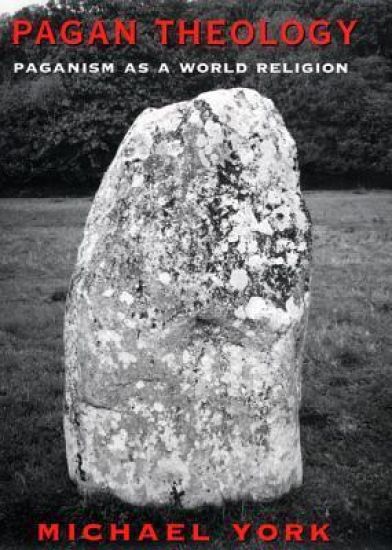
Pagan Theology

Pagan Theology

Michael York

New York University Press
2005
pokkari
In Pagan Theology, Michael York situates Paganism—one of the fastest-growing spiritual orientations in the West—as a world religion. He provides an introduction to, and expansion of, the concept of Paganism and provides an overview of Paganism's theological perspective and practice. He demonstrates it to be a viable and distinguishable spiritual perspective found around the world today in such forms as Chinese folk religion, Shinto, tribal religions, and neo-Paganism in the West. While adherents to many of these traditions do not use the word "pagan" to describe their beliefs or practices, York contends that there is an identifiable position possessing characteristics and understandings in common for which the label "pagan" is appropriate. After outlining these characteristics, he examines many of the world's major religions to explore religious behaviors in other religions which are not themselves pagan, but which have pagan elements. In the course of examining such behavior, York provides rich and lively descriptions of religions in action, including Buddhism and Hinduism. Pagan Theology claims Paganism's place as a world religion, situating it as a religion, a behavior, and a theology.
The Emerging Network

The Emerging Network

Michael York

Rowman Littlefield
1995
nidottu
The 1980s saw the emergence of New Age and neo-paganism as major new religious movements. In the first book-length study of these movements, Michael York describes their rituals and beliefs and examines the similarities, differences and relationships between them. He profiles particular groups, including the Church Universal Triumphant, Nordic pagans, and the Covenant of Unitarian Pagans, and questions the adequacy of existing sociological categories for describing these largely amorphous phenomena.
MATTER matters

MATTER matters

Michael York

Svarga Press
2023
pokkari
"Matter Matters" is a comprehensive overview of one of the world's oldest religious movements, Paganism. It explores the common practices, traditions, and core beliefs of this earth-centric form of spirituality, including self-reliance, open-mindedness, and freedom of choice. The book emphasizes the importance of coming to the spiritual table with an open mind to varying paths and is an inspiring resource to readers who wish to explore Paganism and build their personal spiritual practice.
Pagan Ethics

Pagan Ethics

Michael York

Springer International Publishing AG
2015
sidottu
This book is the first comprehensive examination of the ethical parameters of paganism when considered as a world religion alongside Christianity, Islam, Judaism, Hinduism and Buddhism. The issues of evil, value and idolatry from a pagan perspective are analyzed as part of the Western ethical tradition from the Sophists and Platonic schools through the philosophers Spinoza, Hume, Kant and Nietzsche to such contemporary thinkers as Grayling, Mackie, MacIntyre, Habermas, Levinas, Santayana, etc. From a more practical viewpoint, a delineation of applied pagan ethics is then presented in connection with current moral issues such as same-sex union, recreational drugs, environmental awareness, abortion and terrorism. Finally, overviews of sectarian pagan ethics (Shinto, Santeria, Heathenism, Druidry, Romuva, Slavic, Kemeticism, Classical and Wicca) provide both the general and pagan reader with an understanding of the provocative range and differentiation of pagan ethical thought. The book approaches the Western ethical tradition as an historical development and a continuing dialogue. The novelty of this approach lies in its consideration of paganism as a legitimate voice of religious spirituality rather than a satanic aberration or ridiculous childish behavior. The book is aimed at both the contemporary Western pagan and anyone with an interest in the moral dilemmas of our times and the desire to engage in the global ethical discussion. Among the more important features of the book are its presentation of a re-evaluation of idolatry, the notion of the virtue value, the richness of the pagan tradition, and the expansion of Western ethics beyond its Christian heritage.
Pagan Ethics

Pagan Ethics

Michael York

Springer International Publishing AG
2016
nidottu
This book is the first comprehensive examination of the ethical parameters of paganism when considered as a world religion alongside Christianity, Islam, Judaism, Hinduism and Buddhism. The issues of evil, value and idolatry from a pagan perspective are analyzed as part of the Western ethical tradition from the Sophists and Platonic schools through the philosophers Spinoza, Hume, Kant and Nietzsche to such contemporary thinkers as Grayling, Mackie, MacIntyre, Habermas, Levinas, Santayana, etc. From a more practical viewpoint, a delineation of applied pagan ethics is then presented in connection with current moral issues such as same-sex union, recreational drugs, environmental awareness, abortion and terrorism. Finally, overviews of sectarian pagan ethics (Shinto, Santeria, Heathenism, Druidry, Romuva, Slavic, Kemeticism, Classical and Wicca) provide both the general and pagan reader with an understanding of the provocative range and differentiation of pagan ethical thought. The book approaches the Western ethical tradition as an historical development and a continuing dialogue. The novelty of this approach lies in its consideration of paganism as a legitimate voice of religious spirituality rather than a satanic aberration or ridiculous childish behavior. The book is aimed at both the contemporary Western pagan and anyone with an interest in the moral dilemmas of our times and the desire to engage in the global ethical discussion. Among the more important features of the book are its presentation of a re-evaluation of idolatry, the notion of the virtue value, the richness of the pagan tradition, and the expansion of Western ethics beyond its Christian heritage.