

Kirjahaku
Etsi kirjoja tekijän nimen, kirjan nimen tai ISBN:n perusteella.
10 kirjaa tekijältä Michelle Brooks


The Jefferson City Civil Pilots: From Lincoln University to Tuskegee Airmen
Michelle Brooks
History Press
2024
nidottu
Aviation captivated young men before World War II, regardless of their skin color. But few Black enthusiasts had access, means or opportunity until the Civil Pilot Training program. Lincoln University of Missouri and the old Jefferson Airfield offered the only program west of the Mississippi River exclusively for Black pilots. Fulfilling the dream of the school's founders, many successful Lincolnites joined the Tuskegee Airmen, the first U.S. military aviation units. Wendell Pruitt's aerial acrobatics were legendary, and Wilbur Long was one of twenty-two to survive Nazi POW camps. Clovis Bordeaux went on to be one of the first Black rocket scientists, and Charles Anderson became a pioneer in satellite meteorology. Michelle Brooks explores Lincoln's men and moments in their pursuit of Double Victory.
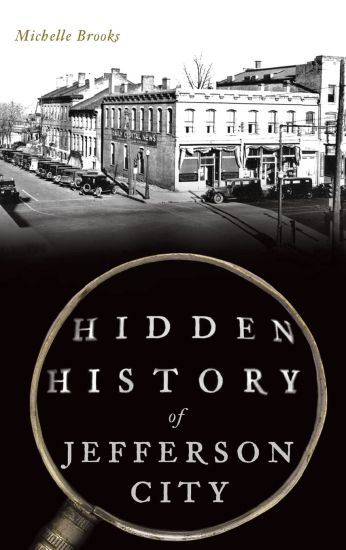
Quite a bit has happened in Missouri's capital city since Lewis and Clark passed through the area on their famous journey. And some of that history has remained hidden. Being the center of politics in the state and possessing a small-town mindset, the city has a dual identity. Burr McCarty turned his humble home and stagecoach stop into a political gathering place. Ferryman Jefferson T. Rogers was elected mayor ten times. Calvin Gunn established the town's first newspaper and was the state's first printer. Join author Michelle Brooks as she details these and more forgotten stories from the capital city's past.
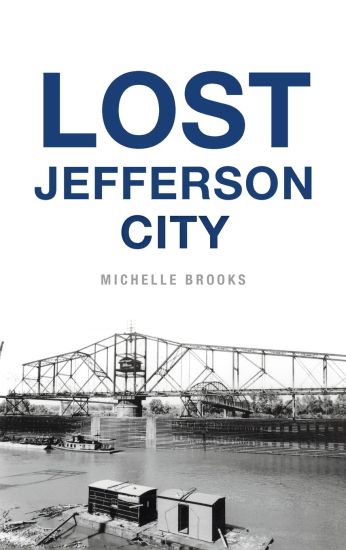
Jefferson City incorporated in 1825, but so much of that history has changed or been forgotten. Today's Lincoln University practice field used to host early circus visitors. Although called St. Peter Cemetery #1, the old recently restored cemetery on West Main Street was the second Catholic cemetery, after the sight and smell at the northeast corner of Bolivar and McCarty Streets was too much for neighbors. The man who designed the Missouri State Seal and served as a longtime judge built a Steamboat-style home on a hill at the northwest corner of Adams and High Streets, where the Missouri River Regional Library is today. Author Michelle Brooks explores the world of the Mill Bottom and the Foot, as well as cemeteries, fairgrounds, ballparks and stately homes lost to time.
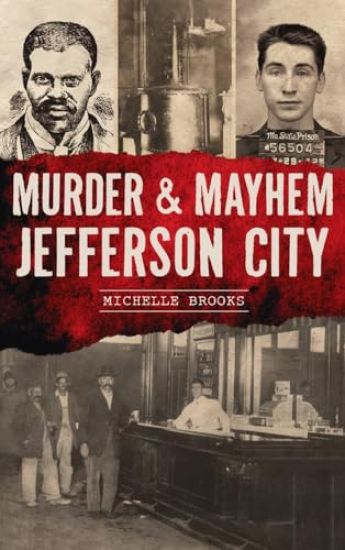
The Dark Side of Jeff City The first century of the wilderness-born Missouri capital was filled with villainous escapes from the state's only prison, resulting in theft, abuse and even murder. The grandest of escape attempts ended with the city's only triple hanging. The capital city had plenty of entrepreneurs willing to sidestep the federal Volstead Act, which attracted Ku Klux Klan activity and culminated in the election of a "law and order" sheriff, whose deputies broke laws to enforce them. Many other tragedies grieved the community, including the South Side murder of a German immigrant by a teen-aged deputy, who had been caught sleeping with the victim's daughter. Author Michelle Brooks has collected a sample of some of the shocking events of Jefferson City's first century.
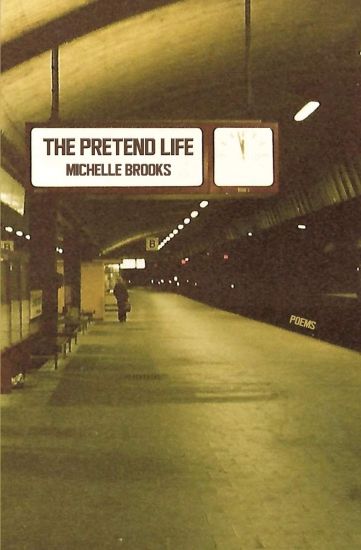
The Pretend Life channels the lure of the past and a sense of foreboding about the unknowable future. The poems document the mundane landscape of contemporary life -- a world in which Jimmy Carter speaks of a spiritual malaise, a landscape littered with dying retail stories, chain restaurants, and malls, one of trash-strewn streets lined with liquor stores and pawn shops. In this neon-lit darkness, the poems perform a peculiar alchemy that transforms the background noise of American life, one of billboards, advertising slogans, and the detritus of popular culture -- into a strange sort of beauty. They serve as a guide to what has been lost and the palimpsest that remains. The Pretend Life suggests that readers look closer by providing a variety of lenses that express the loneliness, isolation, loveliness, and the ways people preserver. A mash-up of the timeless juxtaposed with all that is fleeting, it challenges the reader to consider a variety of perspectives. Like candid photographs of strangers, these poems force you to stop and consider these glimpses into worlds that exist in memory and in objects from those worlds. They also serve as a mirror into our own lives as seen from the future -- an elegy for the living.

"One might be forgiven for thinking that the almost universally dark subject matter of these eloquent poems--rape and its aftermath, murder, aberrant psychology, divorce, suicide--might make for gloomy reading. Banish the thought These poems perfectly encompass both the surrounding darkness and the inextinguishable candle that is lit against it. They are not about life so much as they are the stuff of life itself. Savor them and take heart."--Pinckney Benedict, author of Miracle Boy and Other Stories
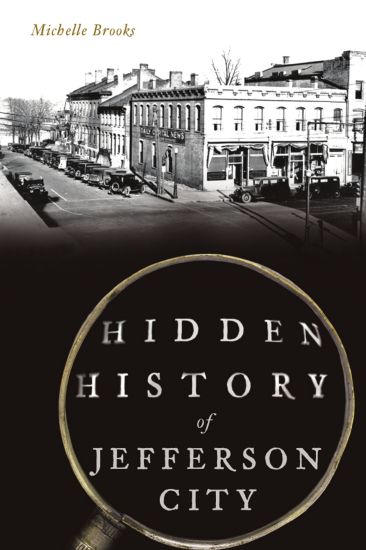
Quite a bit has happened in Missouri's capital city since Lewis and Clark passed through the area on their famous journey. And some of that history has remained hidden. Being the center of politics in the state and possessing a small-town mindset, the city has a dual identity. Burr McCarty turned his humble home and stagecoach stop into a political gathering place. Ferryman Jefferson T. Rogers was elected mayor ten times. Calvin Gunn established the town's first newspaper and was the state's first printer. Join author Michelle Brooks as she details these and more forgotten stories from the capital city's past.