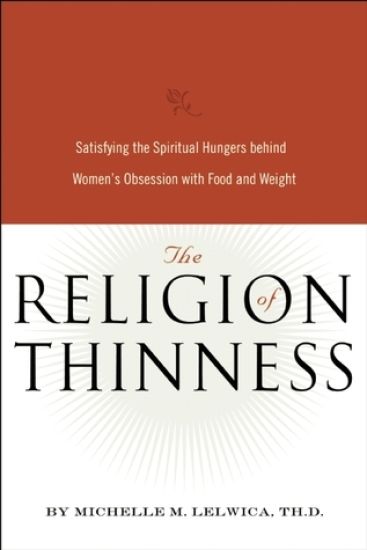
In recent years, eating disorders among American girls and women have become a subject of national concern. Conventional explanations of eating problems are usually framed in the language of psychology, medicine, feminism, or sociology. Although they differ in theory and approach, these interpretations are linked by one common assumption--that female preoccupation with food and body is an essentially secular phenomenon. In Starving for Salvation, Michelle Lelwica challenges traditional theories by introducing and exploring the spiritual dimensions of anorexia, bulimia, and related problems. Drawing on a range of sources that include previously published interviews with sufferers of eating disorders, Lelwica claims that girls and women starve, binge, and purge their bodies as a means of coping with the pain and injustice of their daily lives. She provides an incisive analysis of contemporary American culture, arguing that our dominant social values and religious legacies produce feelings of emptiness and dissatisfaction in girls and women. Trapped in a society that ignores and denies their spiritual needs, girls and women construct a network of symbols, beliefs, and rituals around food and their bodies. Lelwica draws a parallel between the patriarchal legacy of Christianity, which associates women with sin and bodily cravings, and the cultural preference for a thin female body. According to Lelwica, these complimentary forces form a popular salvation myth that encourages girls and women to fixate on their bodies and engage in disordered eating patterns. While this myth provides a sense of meaning and purpose in the face of uncertainty and injustice, Lelwica demonstrates that such rigid and unhealthy devotion to the body only deepens the spiritual void that women long to fill. Although Lelwica presents many disturbing facts about the origins of eating disorders, she also suggests positive ways that our society can nourish the creative and spiritual needs of girls and women. The first step, however, is to acknowledge that female preoccupation with thinness and food signifies a strong desire for fulfillment. Until we recognize and contest the religious legacies and cultural values that perpetuate eating disorders, many women will continue to turn to the most accessible symbolic and ritual resources available to them--food and their bodies--in an attempt to satiate their profound spiritual hunger.