Kirjahaku
Etsi kirjoja tekijän nimen, kirjan nimen tai ISBN:n perusteella.
8 kirjaa tekijältä Mike Vance

116-year old Rube Wingo recounts another half century of his remarkable life, beginning with a personal tragedy that compels him to leave New York City to pick up the pieces in Cincinnati. His friendships, new and rekindled, and his ill-fitting attempts to again find love surround his behind-the-scenes roles with baseball's oldest franchise and one of its newest ones - all amidst a backdrop of seismic changes in the game and in American society.At an age when most people are considering retirement, Rube must reinvent himself one last time, starting with deciding what is most important in his life. After decades of following his dreams, he's forced to face hard truths about himself and the game which he so dearly loves.From consummate history storyteller Mike Vance comes the conclusion of Wingo's captivating and hysterical romp through an American century of life, love, race and baseball.
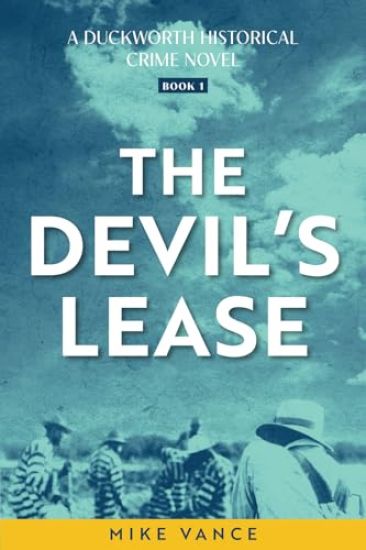
Will Ennis rules his sprawling plantation empire on the Texas prairie by holding his petty and capricious fist over a mix of sharecroppers and leased convicts. George Purdy is a tenant looking for a fair shake. Trouble feels inevitable.When murder inserts itself into the already brutal landscape, irascible defense attorney J.B. Duckworth aims to set things right, but the lawyer's mercurial scruples do not always sit well with his peers in the legal community at the start of the 1900s. Though Duckworth is willing to face all comers, he often does so with an eye toward what plays well in the press. The ultimate question is what lengths Duckworth will travel to secure justice for his clients and what others will do to stop him.If you enjoy richly human characters and enveloping drama, you will love this thoroughly American tale of our history's heartbreaking tangles.
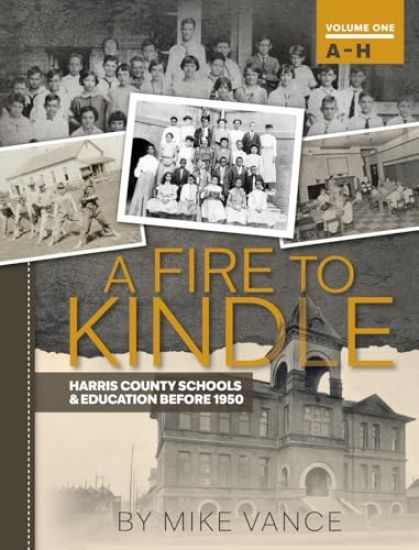
The myriad of social changes in the world since the 1830s are often best reflected in our schools. When Harris County was formed, support for public education was far from universal. Many of the earliest schools were organized by German immigrants, and it took carpetbaggers and Reconstruction to bring about public schools as we know them today. A Fire to Kindle sheds light on the realities of segregation, school property taxes, bilingual education, and the impact of wartime on our children. It examines broad themes such as the roles of teachers, women, religion, industrial and vocational training. the advent of the junior high school concept, and public health care.In addition to the big topics, this volume is also filled with small stories that shed light on our past. There is the African American youth thought to be incorrigible by White school officials but who was later touted as a major success story. There is the specter of using silver nitrate to cure smoking among children, and there are toothbrush drills, 15-foot-tall jungle gyms, and public school children manufacturing Houston street signs in shop class and making rugs and pillows for newly-arrived immigrant families.More than any other type of structure, a school is the true building block of any given community. To explore the history of Harris County schools is to discover largely forgotten towns like Brunner, Cross Timbers, Chaneyville, and Dunman's Prairie. It is reliving the days when places like Cypress, Webster, and Spring had two dozen students in a one-room schoolhouse, and it is perhaps the best yardstick to understand the unending growth of the City of Houston. With well over a decade of research, this well-illustrated volume tells the tale of over 600 Harris County schools that existed prior to 1950. Primary source research combined with rich oral history goes far beyond architectural details to provide a complete human story of these structures and school districts that have been the launching pad for many generations of productive Houstonians. No such comprehensive documentation has ever been done on these Houston and Harris County schools, both public and private, and the social issues for which they served as crucible. It is a history of Harris County unlike any other that has ever been written.
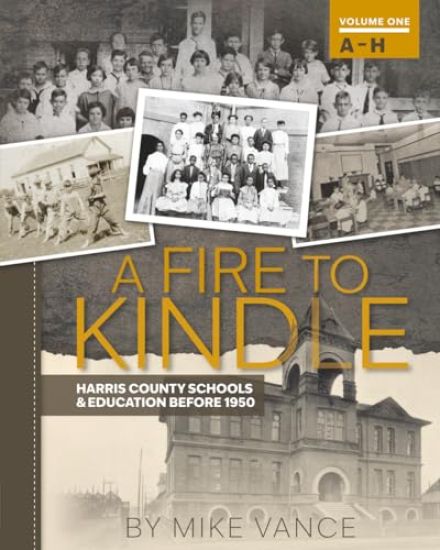
The myriad of social changes in the world since the 1830s are often best reflected in our schools. When Harris County was formed, support for public education was far from universal. Many of the earliest schools were organized by German immigrants, and it took carpetbaggers and Reconstruction to bring about public schools as we know them today. A Fire to Kindle sheds light on the realities of segregation, school property taxes, bilingual education, and the impact of wartime on our children. It examines broad themes such as the roles of teachers, women, religion, industrial and vocational training. the advent of the junior high school concept, and public health care.In addition to the big topics, this volume is also filled with small stories that shed light on our past. There is the African American youth thought to be incorrigible by White school officials but who was later touted as a major success story. There is the specter of using silver nitrate to cure smoking among children, and there are toothbrush drills, 15-foot-tall jungle gyms, and public school children manufacturing Houston street signs in shop class and making rugs and pillows for newly-arrived immigrant families.More than any other type of structure, a school is the true building block of any given community. To explore the history of Harris County schools is to discover largely forgotten towns like Brunner, Cross Timbers, Chaneyville, and Dunman's Prairie. It is reliving the days when places like Cypress, Webster, and Spring had two dozen students in a one-room schoolhouse, and it is perhaps the best yardstick to understand the unending growth of the City of Houston. With well over a decade of research, this well-illustrated volume tells the tale of over 600 Harris County schools that existed prior to 1950. Primary source research combined with rich oral history goes far beyond architectural details to provide a complete human story of these structures and school districts that have been the launching pad for many generations of productive Houstonians. No such comprehensive documentation has ever been done on these Houston and Harris County schools, both public and private, and the social issues for which they served as crucible. It is a history of Harris County unlike any other that has ever been written.
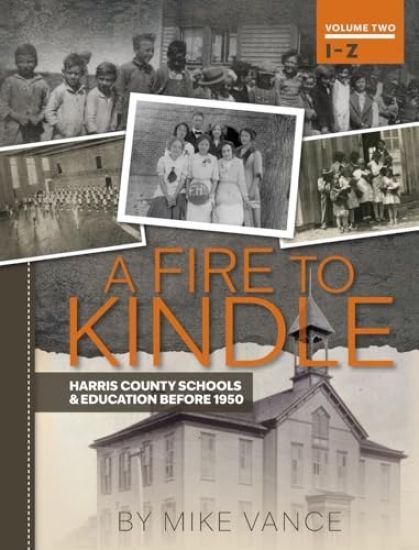
The myriad of social changes in the world since the 1830s are often best reflected in our schools. When Harris County was formed, support for public education was far from universal. Many of the earliest schools were organized by German immigrants, and it took carpetbaggers and Reconstruction to bring about public schools as we know them today. A Fire to Kindle sheds light on the realities of segregation, school property taxes, bilingual education, and the impact of wartime on our children. It examines broad themes such as the roles of teachers, women, religion, industrial and vocational training. the advent of the junior high school concept, and public health care.In addition to the big topics, this volume is also filled with small stories that shed light on our past. There is the African American youth thought to be incorrigible by White school officials but who was later touted as a major success story. There is the specter of using silver nitrate to cure smoking among children, and there are toothbrush drills, 15-foot-tall jungle gyms, and public school children manufacturing Houston street signs in shop class and making rugs and pillows for newly-arrived immigrant families.More than any other type of structure, a school is the true building block of any given community. To explore the history of Harris County schools is to discover largely forgotten towns like Brunner, Cross Timbers, Chaneyville, and Dunman's Prairie. It is reliving the days when places like Cypress, Webster, and Spring had two dozen students in a one-room schoolhouse, and it is perhaps the best yardstick to understand the unending growth of the City of Houston. With well over a decade of research, this well-illustrated volume tells the tale of over 600 Harris County schools that existed prior to 1950. Primary source research combined with rich oral history goes far beyond architectural details to provide a complete human story of these structures and school districts that have been the launching pad for many generations of productive Houstonians. No such comprehensive documentation has ever been done on these Houston and Harris County schools, both public and private, and the social issues for which they served as crucible. It is a history of Harris County unlike any other that has ever been written.

Travel Texas history in the shoes of lesser-known people who illuminate big stories in our Lone Star past. This curated journey through an eclectic collection of Texas history ranges across four centuries. Find captivating stories in Texas politics, arts, labor, literature, agriculture, oil, ranching, sports, and civil rights. There are heartrending struggles and inspiring triumphs of will. Rousing successes and downright crying shames. From short-tempered revolutionaries to outright conmen, from ringing guitars to grandstanding fat cats to civil rights trailblazers, these tales bring something entertaining for Texans new and old. Undertold Texas addresses some common Texas myths and offers a fresh and fun understanding of our rich Lone Story history. Experience Texas as never before.