Kirjojen hintavertailu. Mukana 11 699 587 kirjaa ja 12 kauppaa.

Kirjahaku

Etsi kirjoja tekijän nimen, kirjan nimen tai ISBN:n perusteella.

7 kirjaa tekijältä Milad Milani

Sufi Political Thought

Sufi Political Thought

Milad Milani

Routledge
2019
nidottu
Sufism is generally perceived as being spiritually focused and about the development of the self. However, Sufi orders have been involved historically as important civic and political actors in the Muslim world, having participated extensively in inter-faith dialogue and political challenges to religious orthodoxy. This book presents a comprehensive overview of the Sufi political tradition, both historically and in its present form. It outlines how Sufi thought has developed, examines how Sufism has been presented both by scholars and by Sufis themselves, and considers Sufis’ active political roles. It argues that Sufis – frequently well educated, well travelled and imaginative – have been well placed to engage with other faiths and absorb their ideas into Islam; but that they have also been, because they understand other faiths, well placed to understand the distinctiveness of Islam, and thereby act as the guardians of Islam’s core ideas and values.
The Nature of Sufism

The Nature of Sufism

Milad Milani

TAYLOR FRANCIS LTD
2023
nidottu
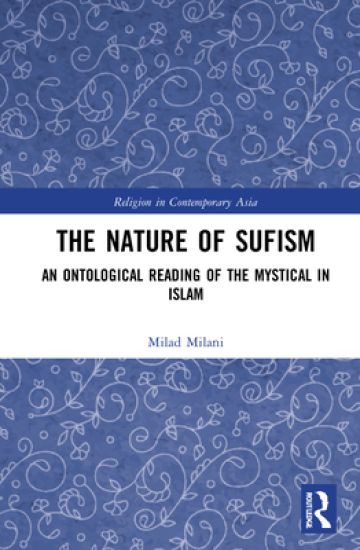
This book explores how Sufis approach their faith as Muslims, upholding an Islamic worldview, but going about making sense of their religion through the world in which they exist, often in unexpected ways. Using a phenomenological approach, the book examines Sufism as lived experience within the Muslim lifeworld, focusing on the Muslim experience of Islamic history. It draws on selected case studies ranging from classic Sufism to Sufism in the contemporary era mainly taken from biographical and hagiographical data, manuscript texts, and treatises. In this way, it provides a revisionist approach to theories and methods on Sufism, and, more broadly, the category of mysticism.
Sufism in the Secret History of Persia

Sufism in the Secret History of Persia

Milad Milani

TAYLOR FRANCIS LTD
2021
nidottu
Sufism formed one of the cultures of resistance which has existed in the social fabric of Persia since antiquity. Such resistance continues to manifest itself today with many looking to Sufism as a model of cooperation between East and West, between traditional and modern. 'Sufism in the Secret History of Persia' explores the place of Sufi mysticism in Iran's intellectual and spiritual consciousness through traditional and contemporary Sufi thinkers and writers. Sufism in the Secret History of Persia examines the current of spirituality which extends from the old Iranian worship of Mithra to modern Islam. This current always contains elements of gnosis and inner knowing, but has often provided impetus for socio-political resistance. The study describes how these persisting pre-Islamic cultural and socio-religious elements have secretly challenged Muslim orthodoxies and continue to shape the nature and orientation of contemporary Sufism.
The Nature of Sufism

The Nature of Sufism

Milad Milani

Routledge
2021
sidottu
This book explores how Sufis approach their faith as Muslims, upholding an Islamic worldview, but going about making sense of their religion through the world in which they exist, often in unexpected ways. Using a phenomenological approach, the book examines Sufism as lived experience within the Muslim lifeworld, focusing on the Muslim experience of Islamic history. It draws on selected case studies ranging from classic Sufism to Sufism in the contemporary era mainly taken from biographical and hagiographical data, manuscript texts, and treatises. In this way, it provides a revisionist approach to theories and methods on Sufism, and, more broadly, the category of mysticism.
Sufi Political Thought

Sufi Political Thought

Milad Milani

Routledge
2017
sidottu
Sufism is generally perceived as being spiritually focused and about the development of the self. However, Sufi orders have been involved historically as important civic and political actors in the Muslim world, having participated extensively in inter-faith dialogue and political challenges to religious orthodoxy. This book presents a comprehensive overview of the Sufi political tradition, both historically and in its present form. It outlines how Sufi thought has developed, examines how Sufism has been presented both by scholars and by Sufis themselves, and considers Sufis’ active political roles. It argues that Sufis – frequently well educated, well travelled and imaginative – have been well placed to engage with other faiths and absorb their ideas into Islam; but that they have also been, because they understand other faiths, well placed to understand the distinctiveness of Islam, and thereby act as the guardians of Islam’s core ideas and values.

Heidegger, Ontology, and the Destiny of Islam

Heidegger, Ontology, and the Destiny of Islam

Milad Milani

BLOOMSBURY PUBLISHING PLC
2024
sidottu
Heidegger, Ontology, and the Destiny of Islam: Thoughts and Reflections on the Nature of Islam in the World critiques Islam as a phenomenon set into motion from its beginning. It is a reflective work that addresses difficult questions about Islam through familiar historical concerns and grapples with the issues that arise in that process. Notably, it attests to making no substantive claims about Muslims and instead keeps to the course of analysis of the phenomenon that is Islam, which is taken as an assessable entity rather than a categorical construct. Understood largely in light of a history of observable realities, the ontological analysis of Islam reveals the general acquaintance with it to be imperfect. This suggests the reality of Islam is based on a primal truth that is only partially seen. The analysis then confronts two problems: firstly, that Islam is not what its historical “story,” as it were, proclaims and, secondly, that Islam is therefore not what is traditionally made out of the surviving historical narratives. It is not a question of “what” Islam is, but more critically, “how” Islam appears in the world.
Sufism in the Secret History of Persia

Sufism in the Secret History of Persia

Milad Milani

Acumen Publishing Ltd
2013
sidottu
Sufism formed one of the cultures of resistance which has existed in the social fabric of Persia since antiquity. Such resistance continues to manifest itself today with many looking to Sufism as a model of cooperation between East and West, between traditional and modern. 'Sufism in the Secret History of Persia' explores the place of Sufi mysticism in Iran's intellectual and spiritual consciousness through traditional and contemporary Sufi thinkers and writers. Sufism in the Secret History of Persia examines the current of spirituality which extends from the old Iranian worship of Mithra to modern Islam. This current always contains elements of gnosis and inner knowing, but has often provided impetus for socio-political resistance. The study describes how these persisting pre-Islamic cultural and socio-religious elements have secretly challenged Muslim orthodoxies and continue to shape the nature and orientation of contemporary Sufism.