Kirjojen hintavertailu. Mukana 11 342 296 kirjaa ja 12 kauppaa.

Kirjahaku

Etsi kirjoja tekijän nimen, kirjan nimen tai ISBN:n perusteella.

7 kirjaa tekijältä Mine Conkbayir

The Neuroscience of the Developing Child

The Neuroscience of the Developing Child

Mine Conkbayir

TAYLOR FRANCIS LTD
2022
nidottu
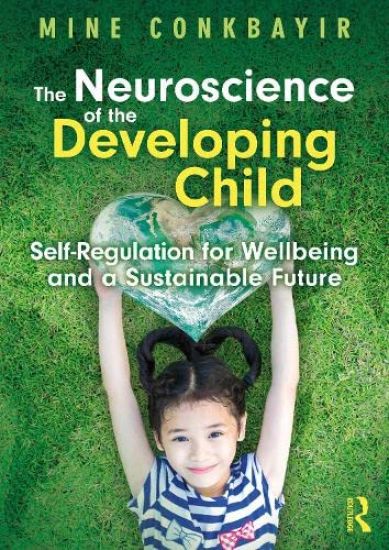
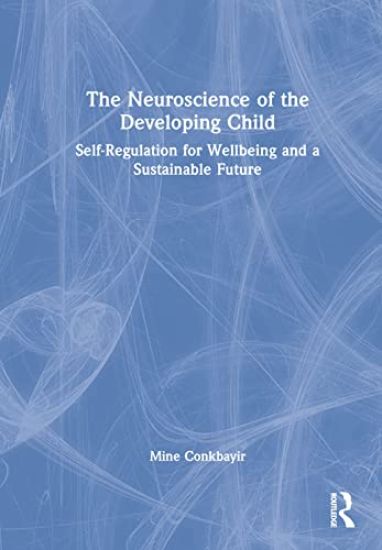
The Neuroscience of the Developing Child informs Early Years (EY) students, practitioners and parents about the fundamental importance of self-regulation (SR) as a critical skill for young children to develop if they are to go on to lead happy and fulfilled lives. Packed with accessible information concerning the neuroscience of early brain development alongside real-life case studies, this book clearly demonstrates how to put SR theory into action across educational and home settings. Dr Conkbayir draws upon a wide range of resources to show readers how they can nurture SR through their daily interactions with children and the environment and experiences they offer them. Comprehensive and engaging chapters cover topics such as: Examining what exactly SR is (and what it is not) Co-regulation’s critical role in enabling SR to occur Exploring the developing brain The importance of sensory integration as part of SR Using relational approaches to nurture behaviour in the classroom and at home The wider global role of SR in creating a sustainable future.With real-life case studies and reflective questions in every chapter, this book is essential reading for students and practitioners within the EY sector, as well as anyone beyond the sector wanting to develop their understanding of SR and how to apply it for themselves and others.
The Neuroscience of the Developing Child

The Neuroscience of the Developing Child

Mine Conkbayir

TAYLOR FRANCIS LTD
2022
sidottu
The Neuroscience of the Developing Child informs Early Years (EY) students, practitioners and parents about the fundamental importance of self-regulation (SR) as a critical skill for young children to develop if they are to go on to lead happy and fulfilled lives. Packed with accessible information concerning the neuroscience of early brain development alongside real-life case studies, this book clearly demonstrates how to put SR theory into action across educational and home settings. Dr Conkbayir draws upon a wide range of resources to show readers how they can nurture SR through their daily interactions with children and the environment and experiences they offer them. Comprehensive and engaging chapters cover topics such as: Examining what exactly SR is (and what it is not) Co-regulation’s critical role in enabling SR to occur Exploring the developing brain The importance of sensory integration as part of SR Using relational approaches to nurture behaviour in the classroom and at home The wider global role of SR in creating a sustainable future.With real-life case studies and reflective questions in every chapter, this book is essential reading for students and practitioners within the EY sector, as well as anyone beyond the sector wanting to develop their understanding of SR and how to apply it for themselves and others.
Helping Children to Thrive Following Adverse Childhood Experiences
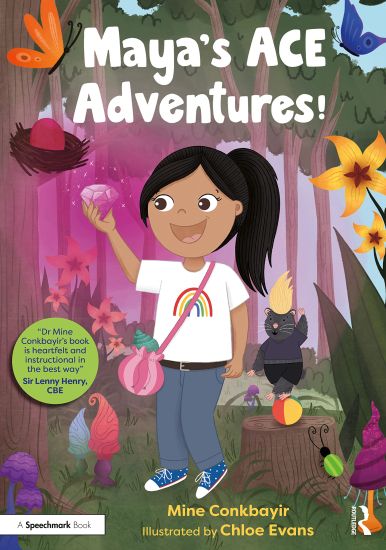
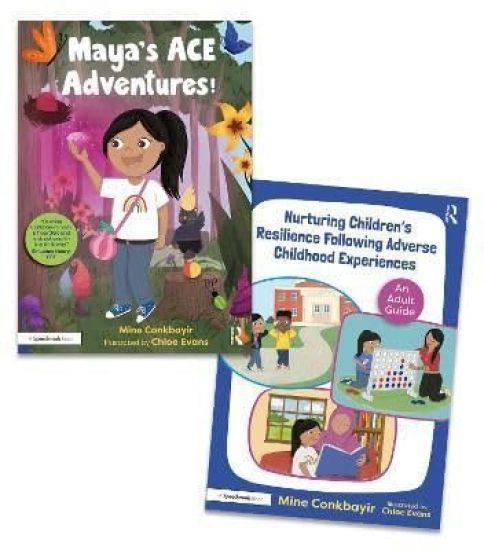
This sensitively written and beautifully illustrated storybook and guide provides children (aged 7+) and the adults who support them with the resources to understand Adverse Childhood Experiences (ACEs) and demonstrate how speaking with children can foster healing and recovery from trauma. Maya is a young girl who lives with her mum, her mum’s boyfriend and her pet hamster, Harry. She loves learning about space, playing football and drawing, but often feels very anxious at home and school due to the ACEs she has been exposed to. In the story, Maya is able to overcome her ACEs with the help of a variety of protective factors in her life – and with three fantastical adventures she embarks upon with Harry, that give her additional tools and keepers to use in her everyday life. The set provides children with the opportunity to comprehend and safely express their feelings, and the adults who read alongside them with the guidance to become a sensitive, active listener, able to support the child’s efforts to disclose and manage their fears. The accompanying adult guide contains discussion prompts and practical communication strategies, as well as an examination and critique of the ACEs framework and an exploration of the developing brain.This set is a vital tool for teachers, parents, foster carers, social workers and other professionals who are supporting children affected by ACEs and trauma. Used with a trusted adult, this set enables children to talk about their experiences and express themselves safely and confidently.
Maya's ACE Adventures!

Maya's ACE Adventures!

Mine Conkbayir

TAYLOR FRANCIS LTD
2023
nidottu
For effective use, this book should be purchased alongside the accompanying adult guide, Nurturing Children’s Resilience following Adverse Childhood Experiences: An Adult Guide [9781032368184]. Both books can be purchased together as a set, Helping Children to Thrive After Adverse Childhood Experiences: ‘Maya’s ACE Adventures!’ Storybook and Adult Guide [9781032367934].Maya knows that her life can be tough sometimes – really tough, but with the help of those she trusts (especially her pet hamster, Harry) Maya discovers her own strength and bravery to overcome the problems she faces. By day, Maya is a girl who loves drawing and playing football, but she often feels sad and angry when her mum and her boyfriend argue, or when she is visiting her dad in prison. By night, Maya is an adventurer – meeting exotic creatures in a kaleidoscopic forest, scuba diving in the ocean, and going head-to-head with bullies at a fantastical circus – who faces her fears, helps others, and knows just what to do to overcome her problems. As her dreamworlds and real world collide, Maya learns how to conquer life’s challenges with the love and support of her family, friends and schoolteacher, Miss Hero. Beautifully illustrated by Chloe Evans and with a Foreword by Lenny Henry CBE, Maya’s ACE Adventures! is both a magical adventure for readers of 7+ and a creative tool to foster hope and resilience for children who have survived traumatic experiences.
Nurturing Children's Resilience Following Adverse Childhood Experiences
For effective use, this book should be purchased alongside the accompanying storybook, Maya’s ACE Adventures!: A Story to Celebrate Children’s Resilience following Adverse Childhood Experiences [9781032368177]. Both books can be purchased together as a set, Helping Children to Thrive After Adverse Childhood Experiences: ‘Maya’s ACE Adventures!’ Storybook and Adult Guide [9781032367934].Alongside the accompanying storybook, Maya’s ACE Adventures!, this guide provides adults with much-needed resources to talk to children about their traumatic experiences in ways that are non-threatening, safe, and can build a child’s confidence in speaking about their fears with a trusted adult. Designed to be read by an adult before they read the story together with a child, the guide provides practical tools, such as scene-by-scene discussion prompts and strategies for co-regulation, to facilitate conversations that are informed, relaxed and allow for healing from grief and trauma. These tools are contextualised by a detailed examination and critique of the Adverse Childhood Experiences (ACEs) framework, in addition to an overview of the neurobiology involved in the stress response, to support adults and alleviate their anxiety about asking the right questions and having the rights answers for the children they support. Together with the storybook, this guide is essential reading for teachers, parents, foster carers, social workers, and other professionals who are supporting children, by giving them the resources they need to foster hope and resilience among children who have survived traumatic experiences.
Early Childhood and Neuroscience

Early Childhood and Neuroscience

Mine Conkbayir

Bloomsbury Academic
2021
nidottu
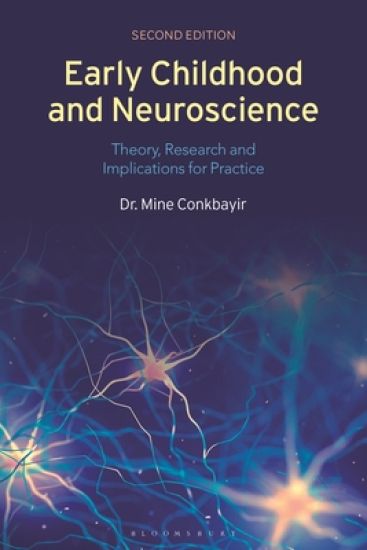
Early Childhood and Neuroscience is a practical guide to understanding the complex and challenging subject of neuroscience and its use (and misapplication) in early childhood policy and practice. The 2nd edition has been updated throughout and includes a new Foreword by Dr Laura Jana (Penn State University, USA), a new Introduction and three new chapters on: - the effects of childhood trauma - self-regulation - neurodiversity The book provides a balanced overview of the debates by weaving discussion on the opportunities of using neuroscience in early childhood practice with examination of the limitations and ethical implications throughout the chapters. This enables students to inform their own opinions about the discipline and its use in their future practice. Clear explanations of the main terms and theories are complemented with illustrative case studies of cutting-edge research from around the world, a glossary of key terms and suggestions for further reading. Reflective discussion questions give readers the chance to apply their theoretical knowledge to real-world contexts.
Early Childhood and Neuroscience

Early Childhood and Neuroscience

Mine Conkbayir

Bloomsbury Academic
2021
sidottu
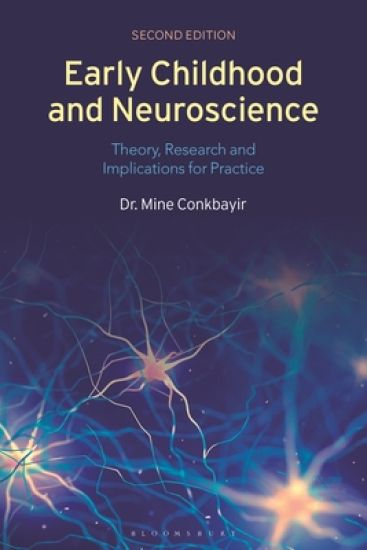
Early Childhood and Neuroscience is a practical guide to understanding the complex and challenging subject of neuroscience and its use (and misapplication) in early childhood policy and practice. The 2nd edition has been updated throughout and includes a new Foreword by Dr Laura Jana (Penn State University, USA), a new Introduction and three new chapters on: - the effects of childhood trauma - self-regulation - neurodiversity The book provides a balanced overview of the debates by weaving discussion on the opportunities of using neuroscience in early childhood practice with examination of the limitations and ethical implications throughout the chapters. This enables students to inform their own opinions about the discipline and its use in their future practice. Clear explanations of the main terms and theories are complemented with illustrative case studies of cutting-edge research from around the world, a glossary of key terms and suggestions for further reading. Reflective discussion questions give readers the chance to apply their theoretical knowledge to real-world contexts.