Kirjojen hintavertailu. Mukana 12 390 323 kirjaa ja 12 kauppaa.

Kirjahaku

Etsi kirjoja tekijän nimen, kirjan nimen tai ISBN:n perusteella.

4 kirjaa tekijältä Molly Anne Rothenberg

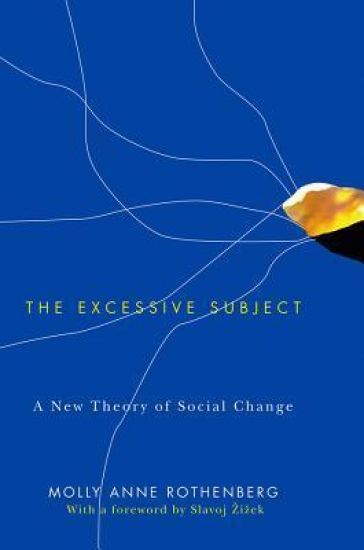
The Excessive Subject

The Excessive Subject

Molly Anne Rothenberg

Polity Press
2009
sidottu
In The Excessive Subject: A New Theory of Social Change, Molly Anne Rothenberg uncovers an innovative theory of social change implicit in the writings of radical social theorists, such as Pierre Bourdieu, Michel de Certeau, Judith Butler, Ernesto Laclau, and Slavoj ?i?ek. Through case studies of these writers' work, Rothenberg illuminates how this new theory calls into question currently accepted views of social practices, subject formation, democratic interaction, hegemony, political solidarity, revolutionary acts, and the ethics of alterity. Finding a common dissatisfaction with the dominant paradigms of social structures in the authors she discusses, Rothenberg goes on to show that each of these thinkers makes use of Lacan's investigations of the causality of subjectivity in an effort to find an alternative paradigm. Labeling this paradigm 'extimate causality', Rothenberg demonstrates how it produces a nondeterminacy, so that every subject bears some excess; paradoxically, this excess is what structures the social field itself. Whilst other theories of social change, subject formation, and political alliance invariably conceive of the elimination of this excess as necessary to their projects, the theory of extimate causality makes clear that it is ineradicable. To imagine otherwise is to be held hostage to a politics of fantasy. As she examines the importance as well as the limitations of theories that put extimate causality to work, Rothenberg reveals how the excess of the subject promises a new theory of social change. By bringing these prominent thinkers together for the first time in one volume, this landmark text will be sure to ignite debate among scholars in the field, as well as being an indispensable tool for students.
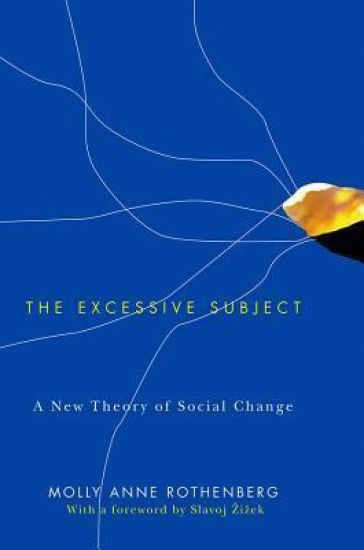
The Excessive Subject

The Excessive Subject

Molly Anne Rothenberg

Polity Press
2009
nidottu
In The Excessive Subject: A New Theory of Social Change, Molly Anne Rothenberg uncovers an innovative theory of social change implicit in the writings of radical social theorists, such as Pierre Bourdieu, Michel de Certeau, Judith Butler, Ernesto Laclau, and Slavoj ?i?ek. Through case studies of these writers' work, Rothenberg illuminates how this new theory calls into question currently accepted views of social practices, subject formation, democratic interaction, hegemony, political solidarity, revolutionary acts, and the ethics of alterity. Finding a common dissatisfaction with the dominant paradigms of social structures in the authors she discusses, Rothenberg goes on to show that each of these thinkers makes use of Lacan's investigations of the causality of subjectivity in an effort to find an alternative paradigm. Labeling this paradigm 'extimate causality', Rothenberg demonstrates how it produces a nondeterminacy, so that every subject bears some excess; paradoxically, this excess is what structures the social field itself. Whilst other theories of social change, subject formation, and political alliance invariably conceive of the elimination of this excess as necessary to their projects, the theory of extimate causality makes clear that it is ineradicable. To imagine otherwise is to be held hostage to a politics of fantasy. As she examines the importance as well as the limitations of theories that put extimate causality to work, Rothenberg reveals how the excess of the subject promises a new theory of social change. By bringing these prominent thinkers together for the first time in one volume, this landmark text will be sure to ignite debate among scholars in the field, as well as being an indispensable tool for students.

Zizek Now

Zizek Now

Jamil Khader; Molly Anne Rothenberg

Polity Press
2013
sidottu
Arguably the most prolific and most widely read philosopher of our time, Slavoj ?i?ek has made indelible interventions into many disciplines of the so-called human sciences that have transformed the terms of discussion in these fields. Although his work has been the subject of many volumes of searching criticism and commentary, there is no assessment to date of the value of his work for the development of these disciplines. ?i?ek Now brings together distinguished critics to explore the utility and far-ranging implications of ?i?ek's thought and provide an evaluation of the difference his work makes or promises to make in their chosen fields. As such, the volume offers chapters on quantum physics and ?i?ek's transcendentalist materialist theory of the subject, Hegel's absolute, materialist Christianity, postcolonial violence, eco-politics, ceremonial acts, and the postcolonial revolutionary subject. Contributors to the volume include Adrian Johnston, Ian Parker, Todd McGowan, Bruno Bosteels, Erik Vogt, Verena Conley, Joshua Ramey, Jamil Khader, and ?i?ek himself.
Zizek Now

Zizek Now

Jamil Khader; Molly Anne Rothenberg

Polity Press
2013
nidottu
Arguably the most prolific and most widely read philosopher of our time, Slavoj ?i?ek has made indelible interventions into many disciplines of the so-called human sciences that have transformed the terms of discussion in these fields. Although his work has been the subject of many volumes of searching criticism and commentary, there is no assessment to date of the value of his work for the development of these disciplines. ?i?ek Now brings together distinguished critics to explore the utility and far-ranging implications of ?i?ek's thought and provide an evaluation of the difference his work makes or promises to make in their chosen fields. As such, the volume offers chapters on quantum physics and ?i?ek's transcendentalist materialist theory of the subject, Hegel's absolute, materialist Christianity, postcolonial violence, eco-politics, ceremonial acts, and the postcolonial revolutionary subject. Contributors to the volume include Adrian Johnston, Ian Parker, Todd McGowan, Bruno Bosteels, Erik Vogt, Verena Conley, Joshua Ramey, Jamil Khader, and ?i?ek himself.