Kirjojen hintavertailu. Mukana 11 244 527 kirjaa ja 12 kauppaa.

Kirjahaku

Etsi kirjoja tekijän nimen, kirjan nimen tai ISBN:n perusteella.

8 kirjaa tekijältä Muhammad Shafiq

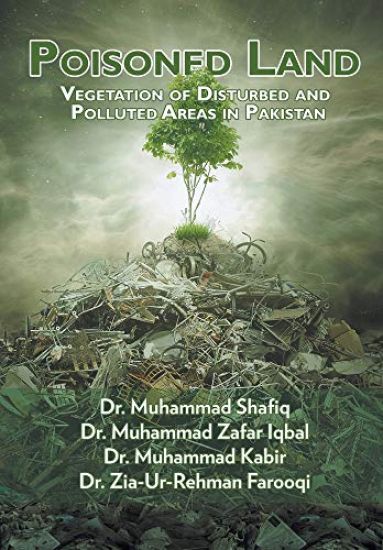
Poisoned Land

Poisoned Land

Muhammad Shafiq

Strategic Book Publishing Rights Agency, LLC
2019
sidottu
The inspiration behind Poisoned Land: Vegetation of Disturbed and Polluted Areas in Pakistan arose from the dire situation of the world's decaying environment and how pollution is impacting plants. Anthropological activities are altering the current status of flora and fauna of Pakistan.The alarming changes in nature, with its ensuing structure and composition of vegetation due to environmental pollution brought about the research for this book, as there is scant literature on the impact of pollution on plant communities.The description of nature, and the structure and composition of vegetation is very complex. Ever-increasing pollutants are leading to an unhealthy environment for living organisms, calling for there to be changes toward a healthier environment.Born in Sialkot, Pakistan, Dr. Muhammad Shafiq migrated to Karachi, where he recently retired from government service.The author's hobbies include scientific research on botany, travel, and listening to music.In this book, editors have attempted to categorize different aspects of environmental issues affecting plant communities. The subject matter provides an interesting snapshot into the impact of environmental pollutants on vegetation."The response of plant communities to pollutant stress depends upon the nature of toxicity, tolerance and interaction of underlying edaphic factors. Disturbed areas considered those, where the integrity of the natural setting and natural system processes has been directly or indirectly affected by human activities. The nature, structure and composition of vegetation in disturbed and polluted areas in Pakistan reported in this book. Many species in and around the industrial units and polluted areas are affected by anthropogenic and industrial activities. The species having first dominant position in some stands are found attaining the second or third dominant position in other stands due to changes in prevailing environmental conditions. This book provides some useful information about the impact of pollutants on plant communities for researchers and general readers. Data analysis helps in understanding about the dissimilarities in species composition and the relative influence of the most important environmental variables within the area. Literature dealing with the plant ecology of Pakistan shows that very little work has been done on the studies of plant communities in polluted and disturbed areas of the country. An effort has been undertaken through the available survey of literature to report the vegetation characteristics of the disturbed and polluted areas and its ecological characteristics."

Perspektywa nawozenia kompostem w systemie uprawy ryzu i pszenicy
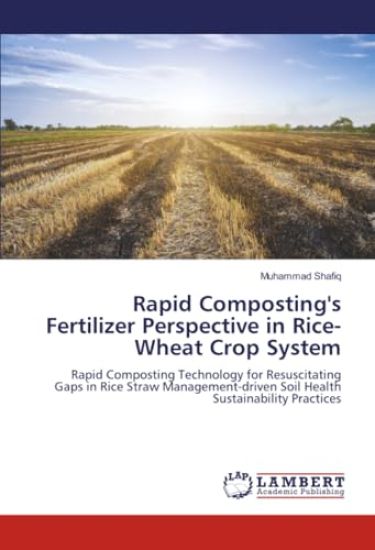
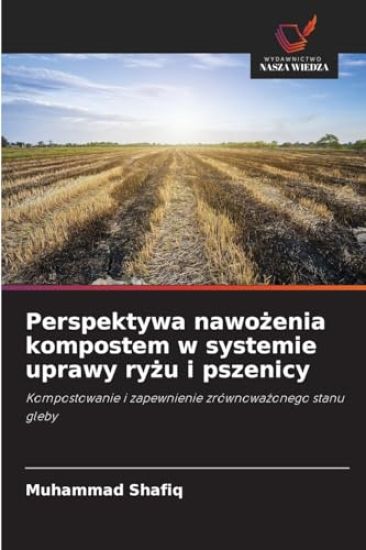
System uprawy ryżu i pszenicy (RWCS) obejmuje ponad 1,7 mln hektar w na r wninach Indo-Gangesu w Pakistanie, a plony (5 Mg ha⁻ ) pozostają poniżej optymalnego poziomu z powodu degradacji gleby i zasob w wodnych. Badania przeprowadzone w 11 miastach pasa upraw ryżu i pszenicy w Pendżabie wykazaly, że ponad 90% gleb charakteryzuje się niedoborem SOM, SOC, PMN i biomasy mikrobiologicznej, a także slabymi wlaściwościami fizycznymi oraz nieoptymalnym pH i EC. Utrata SOM i PMN byla szczeg lnie silnie skorelowana ze spadkiem plon w. Sloma ryżowa (RS), będąca gl wnym pozostalością RW i kluczowym czynnikiem wplywającym na zr wnoważony rozw j gleby, jest często spalana ze względu na niską wartośc pokarmową i ograniczenia czasowe związane z uprawą innych roślin, co przyczynia się do zanieczyszczenia powietrza i utraty skladnik w odżywczych. W ramach niniejszego badania opracowano szybki kompost z RS przy użyciu rodzimych mikroorganizm w (IMO), wytwarzając dojrzaly kompost ze slomy ryżowej (RSC). W pr bach terenowych por wnano RSC, naw z chemiczny (CF), ich polączenie (C+CF) oraz kontrolę.
Perspetiva do fertilizante da compostagem rápida no sistema de cultivo de arroz e trigo
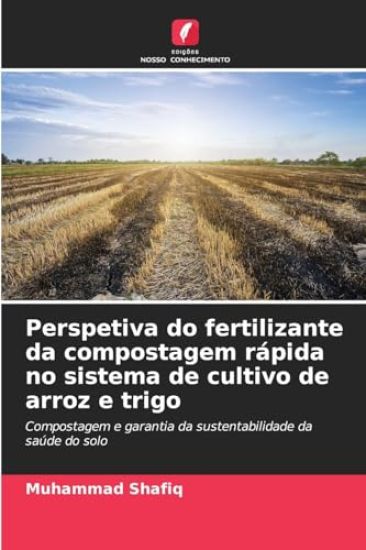
O sistema de cultivo de arroz e trigo (RWCS) abrange mais de 1,7 milh es de hectares nas plan cies indo-gang ticas do Paquist o, com rendimentos (5 Mg ha⁻ ) que permanecem abaixo do ideal devido degrada o dos recursos h dricos e do solo. Pesquisas realizadas em 11 cidades do cintur o de arroz-trigo de Punjab revelaram que mais de 90% dos solos s o deficientes em SOM, SOC, PMN e biomassa microbiana, com caracter sticas f sicas ruins e pH e EC abaixo do ideal. As perdas de SOM e PMN est o fortemente correlacionadas com a redu o do rendimento das culturas. A palha de arroz (RS), sendo um dos principais res duos do RW e um fator-chave para a sustentabilidade da sa de do solo, comumente queimada devido ao seu baixo valor nutritivo e s restri es de tempo das outras culturas, contribuindo para a polui o do ar e a perda de nutrientes. Este estudo desenvolveu um composto r pido a partir da RS usando microrganismos ind genas (IMOs), produzindo composto maduro de palha de arroz (RSC). Testes de campo compararam o RSC, fertilizantes qu micos (CF), sua combina o (C+CF) e o controle.
Die Perspektive von Rapid Composting hinsichtlich Düngemitteln im Reis-Weizen-Anbausystem
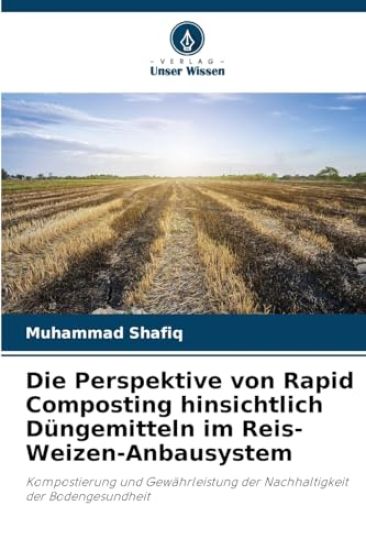
Das Reis-Weizen-Anbausystem (RWCS) erstreckt sich ber mehr als 1,7 Millionen Hektar in den indo-gangetischen Ebenen Pakistans, wobei die Ertr ge (5 Mg ha⁻ ) aufgrund degradierter Boden- und Wasserressourcen weiterhin suboptimal sind. Untersuchungen in 11 St dten des Reis-Weizen-G rtels in Punjab ergaben, dass ber 90 % der B den einen Mangel an SOM, SOC, PMN und mikrobieller Biomasse aufweisen, mit schlechten physikalischen Eigenschaften und suboptimalem pH-Wert und EC. Der Verlust von SOM und PMN korrelierte besonders stark mit geringeren Ernteertr gen. Reisstroh (RS), ein wichtiger R ckstand der Reis-Weizen-Kultur und ein wesentlicher Faktor f r die Nachhaltigkeit der Bodengesundheit, wird aufgrund seines geringen Futterwerts und der zeitlichen Beschr nkungen der Folgekultur h ufig verbrannt, was zur Luftverschmutzung und zum N hrstoffverlust beitr gt. In dieser Studie wurde ein Schnellkompost aus RS unter Verwendung einheimischer Mikroorganismen (IMOs) entwickelt, wodurch reifer Reisstrohkompost (RSC) hergestellt wurde. In Feldversuchen wurden RSC, chemischer D nger (CF), deren Kombination (C+CF) und eine Kontrollgruppe verglichen.
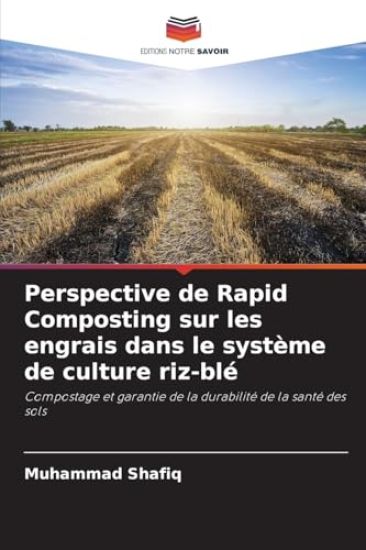
Perspective de Rapid Composting sur les engrais dans le système de culture riz-blé
Le syst me de culture riz-bl (RWCS) s' tend sur plus de 1,7 million d'hectares dans les plaines indo-gang tiques du Pakistan, avec des rendements (5 Mg ha⁻ ) qui restent sous-optimaux en raison de la d gradation des sols et des ressources en eau. Des enqu tes men es dans 11 villes de la ceinture riz-bl du Pendjab ont r v l que plus de 90 % des sols taient d ficients en SOM, SOC, PMN et biomasse microbienne, avec des caract ristiques physiques m diocres et un pH et une conductivit lectrique sous-optimaux. Les pertes de SOM et de PMN taient particuli rement fortement corr l es la baisse des rendements agricoles. La paille de riz (RS), qui est un r sidu majeur de la culture du riz et un facteur cl de la sant et de la durabilit des sols, est g n ralement br l e en raison de sa faible valeur nutritive et des contraintes de temps li es aux autres cultures, ce qui contribue la pollution de l'air et la perte de nutriments. Cette tude a permis de mettre au point un compost rapide partir de la paille de riz en utilisant des micro-organismes indig nes (IMO), produisant ainsi un compost de paille de riz mature (RSC). Des essais sur le terrain ont permis de comparer le RSC, les engrais chimiques (CF), leur combinaison (C+CF) et un groupe t moin.
Prospettive del fertilizzante Rapid Composting nel sistema colturale riso-frumento
Il sistema colturale riso-frumento (RWCS) si estende su oltre 1,7 milioni di ettari nella pianura indo-gangetica del Pakistan, con rese (5 Mg ha⁻ ) che rimangono subottimali a causa del degrado del suolo e delle risorse idriche. Indagini condotte su 11 citt della fascia riso-grano del Punjab hanno rivelato che oltre il 90% dei suoli carente di SOM, SOC, PMN e biomassa microbica, con caratteristiche fisiche scadenti e pH ed EC subottimali. Le perdite di SOM e PMN sono particolarmente correlate alla riduzione delle rese agricole. La paglia di riso (RS), essendo un importante residuo RW e un fattore chiave per la sostenibilit della salute del suolo, viene comunemente bruciata a causa del basso valore nutritivo e dei vincoli di tempo delle colture successive, contribuendo all'inquinamento atmosferico e alla perdita di nutrienti. Questo studio ha sviluppato un compost rapido dalla RS utilizzando microrganismi indigeni (IMO), producendo compost maturo di paglia di riso (RSC). Le prove sul campo hanno confrontato l'RSC, il fertilizzante chimico (CF), la loro combinazione (C+CF) e il controllo.